

5 Essential Spices for Authentic Southwest Cooking
Table of Contents
- The Role of Chile Powders in Southwest Cuisine
- Cumin: The Earthy Foundation of Southwest Flavor
- Garlic and Onion Powder as Flavor Bases
- Balancing Heat and Color in Dishes
- How to Use Southwest Seasoning in Everyday Cooking
- Beef Jerky and Marinades: New Mexico Spice Traditions
- Building Your Essential Spices for Authentic Southwest Cooking
- Frequently Asked Questions
Last Updated: September 21, 2026
The Role of Chile Powders in Southwest Cuisine
Chile powder forms the backbone of authentic Southwest cooking. The specific variety you choose determines the flavor profile of your dish.
New Mexico Red Chiles: The Regional Standard
New Mexico red chiles bring mild to medium heat (1,000-2,000 Scoville Heat Units) with complex, slightly sweet undertones and earthy depth. When you're building 5 essential spices for authentic southwest cooking, New Mexico chile powder should be your foundation. The deep crimson color signals authenticity and appears in everything from enchilada sauce to dry rubs for carne asada.
Ancho Chiles: Sweet and Mild
Ancho chiles (dried poblano peppers) are milder (1,000-1,500 SHU) with pronounced sweetness and chocolate or raisin notes (Ancho Pepper Guide: Heat, Flavor, Pairings, And More). They work beautifully in moles, bean dishes, and marinades where you want heat without aggression.
Guajillo Chiles: Bright and Fruity
Guajillo chiles (800-2,500 SHU) are fruity and bright with berry and citrus notes. They pair well with pork and create complex salsas, often layered with New Mexico red by regional cooks.
Hatch Chiles: The Fresh-Roasted Gold Standard
Hatch chiles offer a bright, grassy quality.
Green Chiles: A Completely Different Tool
Green chiles offer a fresher, grassier profile with a sharper bite, working beautifully in salsas, stews, and marinades. Green chile powder is essential for authentic green enchilada sauce or chile verde.
How to Toast and Grind Your Own
Cumin: The Earthy Foundation of Southwest Flavor
Cumin provides Southwest cooking's savory backbone. The earthy, slightly nutty profile works in everything from beef rubs to bean dishes and appears in nearly every traditional blend.
Quality cumin should smell warm and inviting.
Cumin and chile powder form the one-two punch of Southwest seasoning, creating depth and complexity in marinades, dry rubs, and everyday cooking.
Toasting cumin seeds in a cast iron skillet for one minute before grinding can enhance their aroma.
Garlic and Onion Powder as Flavor Bases
Garlic and onion powder are structural ingredients that build savory depth without burning on high heat. They amplify chile and cumin, creating layers of umami that single-spice blends can't achieve.
The Chemistry: Why Powders Work Better Than Fresh
Onion powder brings sweetness and body; garlic powder adds pungency and complexity. Together they create a savory foundation that makes other spices more intense. A teaspoon of garlic powder offers intensity without the moisture that can cause burning.
Quality Assessment: Identifying Pure Spices vs. Fillers
Quality matters critically. Premium versions are pure ground garlic, sometimes with salt.
To identify quality: read labels for "garlic powder" as the only ingredient (salt acceptable); check for pungent sharpness.
Sourcing Recommendations
Avoid pre-blended "garlic salt" or "onion salt" to control salt content.
Storage and Freshness
Store in airtight glass jars away from heat, light, and humidity. Quality powders stay potent; replace if weak-smelling.
Application: When to Use Each
Garlic powder works best in dry rubs, marinades, and spice blends where it can dissolve and distribute evenly. Onion powder is equally versatile but shines in blends where you want sweetness without the bite of fresh onion. Together, they're the backbone of every authentic Southwest seasoning blend because they provide the savory depth that makes regional cooking taste intentional and complex.
Balancing Heat and Color in Dishes
Heat levels aren't one-size-fits-all. The same blend that excites one diner might overwhelm another. Authentic Southwest cooking respects this spectrum, from mild to genuinely fiery. Understanding how to layer heat gives you control over your final dish.
Smoked paprika adds color and subtle warmth without overwhelming spice. It creates that beautiful russet tone on grilled meats while contributing a smoky note that feels intentional, not accidental. This is why smoked paprika appears in quality Southwest seasonings, it's doing multiple jobs at once.
Cayenne pepper brings direct, sharp heat. A little goes a long way. When you're building a blend, cayenne is your volume control. Start conservatively and adjust upward. You can always add more heat; you can't remove it once it's mixed in.
The visual appeal matters too. Diners eat with their eyes first. That deep red-brown color of authentic Southwest seasoning signals quality and authenticity. Pale, dull-colored spice blends look tired before they even hit the plate.
| Heat Level | Primary Ingredient | Best For | Flavor Impact |
|---|---|---|---|
| Mild | Smoked paprika | Family dinners, sensitive palates | Smoky, subtle warmth |
| Medium | New Mexico red chile | Everyday cooking, marinades | Earthy, complex heat |
| Hot | Cayenne, jalapeño | Adventurous eaters, bold dishes | Sharp, direct spice |
How to Use Southwest Seasoning in Everyday Cooking
You don't need a backyard grill or a special occasion to use 5 essential spices for authentic southwest cooking. These blends work in weeknight dinners, roasted vegetables, and simple stovetop meals. The key is understanding which applications bring out which flavors.
Dry rubs work best when applied at least 30 minutes before cooking, longer is better. The salt in the blend helps the spices penetrate deeper. A quick dusting right before cooking stays mostly on the surface.
Marinades combine spices with acid (lime juice, vinegar) and oil to create flavor that penetrates meat over hours. The acid tenderizes while the spices infuse. For beef jerky and marinades, this combination is essential.
Everyday cooking means reaching for these blends on roasted potatoes, grilled chicken, scrambled eggs, even popcorn. A good Southwest seasoning blend should be versatile enough for simple Tuesday-night meals, not just weekend barbecues. That's what separates a specialty spice from a true pantry staple.
Beef Jerky and Marinades: New Mexico Spice Traditions
Beef jerky represents one of the purest expressions of New Mexico spice traditions. The technique dates back centuries, preserving meat with salt and smoke while building flavor with regional spices.
A proper jerky marinade combines cumin, chile powder, garlic, and salt with acid and fat. The acid (typically vinegar or lime juice) tenderizes the meat while the spices create the flavor profile. The fat carries the fat-soluble flavor compounds deeper into the meat.
The heat level in jerky varies by region and preference. Some jerky makers focus on mild, savory notes. Others push toward genuinely spicy. The best approach is understanding what you're aiming for and selecting spices that deliver it. A blend with smoked paprika and mild chiles creates different jerky than one built on cayenne and habanero.
Marinades need time to work. The longer the meat sits in the spice-infused liquid, the deeper the flavor penetrates.
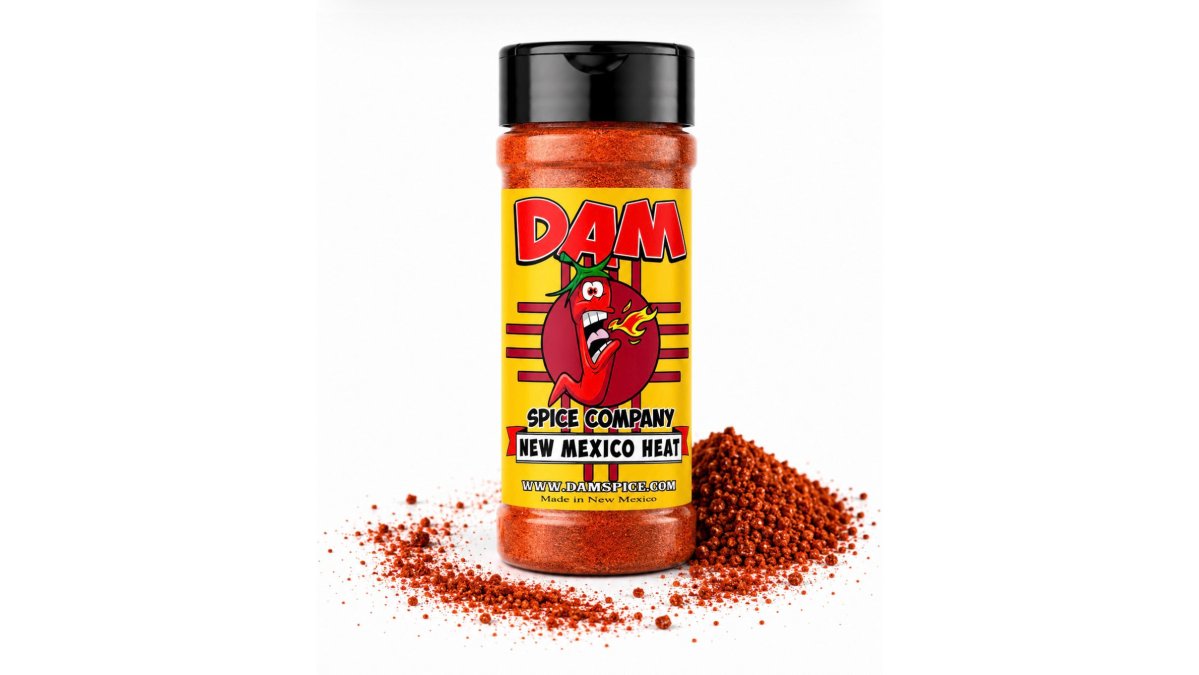
Building Your Essential Spices for Authentic Southwest Cooking
Creating a functional Southwest spice pantry starts with understanding what each spice contributes. You don't need a dozen jars, five core spices handle 90% of authentic Southwest cooking. The rest are refinements and variations.

Your core five:
- Chile powder (red), The foundation. New Mexico red chiles deliver authentic flavor with manageable heat.
- Cumin, The earthy anchor that makes everything taste intentional and complex.
- Garlic powder, Savory depth that works in every application.
- Onion powder, Sweetness and body that rounds out the blend.
- Smoked paprika, Color, subtle warmth, and that signature smoky note.
From there, you can expand. Jalapeño powder adds brightness.
Frequently Asked Questions
What are the most common spices used in Southwest cooking?
The foundation of Southwest cooking rests on five essential spices: chile powder (the aromatic heart), cumin (earthy and warm), garlic powder (savory depth), onion powder (sweet undertones), and paprika or additional chile varieties for heat and color. These spices create the authentic pantry staples that define the region's culinary foundation. Each brings a distinct flavor profile, from the pungent heat of chiles to the nutty warmth of toasted cumin, that work together to build the bold, complex taste Southwest dishes are known for.
How do I create an authentic Southwest flavor profile at home?
Start with quality chile powder as your base, then layer in ground cumin for earthy depth. Add garlic and onion powder for savory complexity, then adjust heat levels with additional chile varieties like jalapeño or habanero. Toast whole spices before grinding when possible. Combine these elements in a dry rub or seasoning blend, then apply generously to beef, pork, or vegetables. The key is balancing heat and color while maintaining the savory, aromatic character that makes Southwest cuisine distinctive.
What's the best way to use Southwest seasoning on beef jerky and marinades?
For beef jerky, create a dry rub using chile powder, cumin, garlic powder, and onion powder mixed with sea salt. Apply generously to thin-sliced beef before drying. For marinades, combine these same spices with oil and vinegar to create a wet base that penetrates meat during soaking. The combination of heat from chiles and earthiness from cumin creates the bold, savory profile that defines authentic New Mexico beef jerky traditions. Let meat marinate for maximum flavor absorption.
How should I store spices to keep them fresh and aromatic?
Store spices in airtight containers away from direct sunlight, heat, and moisture. Glass jars with tight-fitting lids work best for preserving the essential oils that give spices their potent flavor and aroma. Keep containers in a cool, dark pantry rather than above the stove or near windows. Whole spices last longer than ground varieties. Properly stored spices maintain their aromatic qualities and deliver the depth of flavor essential to authentic Southwest cooking.