

Authentic New Mexico Flavor Profiles: A Complete Guide
Table of Contents
- What Defines Authentic New Mexico Flavor Profiles
- Red vs Green Chile Flavor Profile: The Core Distinction
- How to Use Southwest Spice Blends in Everyday Cooking
- Traditional New Mexico Cooking Ingredients That Shape the Cuisine
- The Heat Spectrum: Understanding Chile Scoville Levels
- Iconic New Mexico Dishes and Flavor Balance
- How Geographic Terroir and Heritage Shape New Mexico Flavors
- Frequently Asked Questions
Last Updated: September 1, 2026
What Defines Authentic New Mexico Flavor Profiles
Authentic New Mexico flavor profiles combine smoky, earthy, and intensely savory notes with varying degrees of heat, reflecting centuries of culinary heritage. These profiles emerge from three core elements: the region's distinctive chile varieties, traditional ingredients like cumin and anise, and cooking methods refined over generations.
At Dam Spice Company, we've spent years sourcing and blending spices that capture these authentic profiles by focusing on actual flavor compounds, capsaicin heat, aromatic oils, and toasted earthiness rather than chasing trends or using fillers and additives.
What makes New Mexico flavor profiles stand out from generic "Southwest" seasoning is precision. A truly authentic blend delivers heat alongside sweetness, smokiness, and subtle herbal notes that build on your palate. Most commercial blends miss this balance entirely, leaning too hard on salt or heat while losing the nuanced character that makes the cuisine distinctive.
Red vs Green Chile Flavor Profile: The Core Distinction
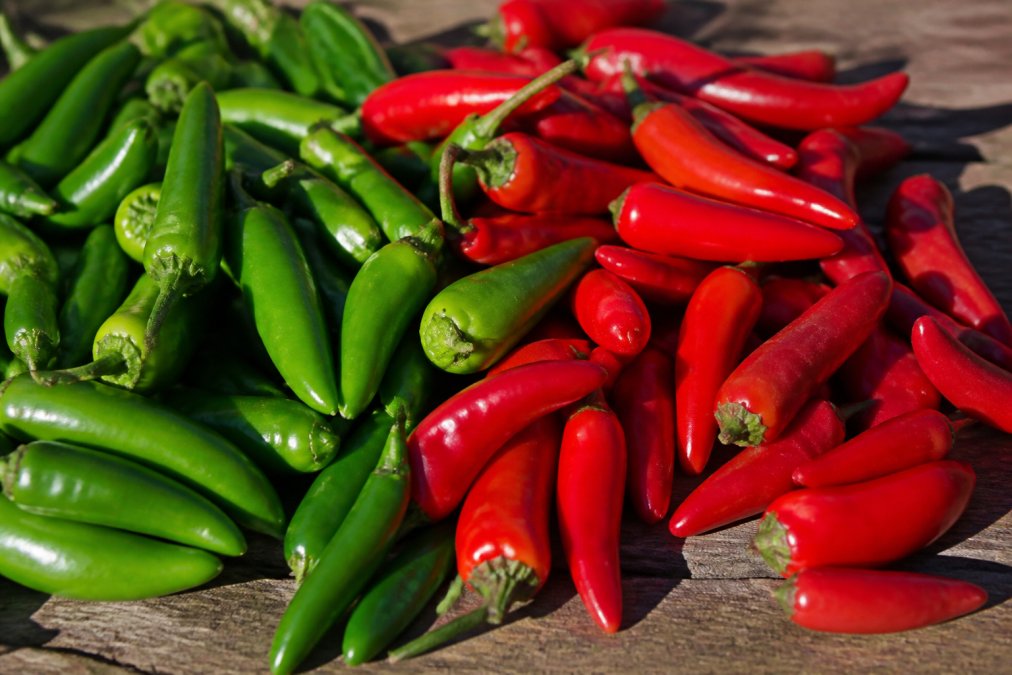
The red versus green chile distinction is where New Mexico flavor profiles truly diverge. Both come from the same plant at different harvest stages, but the flavor transformation is dramatic.

Green chile is picked early, creating a bright, grassy, slightly vegetal flavor with moderate heat and a fresh, peppery aroma. It brings a crisp, clean quality to dishes and pairs beautifully with cheese, eggs, and lighter proteins where you want the chile flavor to shine without overwhelming the dish.
Red chile comes from fully mature fruit, allowing sugars to develop and creating deeper, warmer, more caramelized notes. Red chile has an earthier, more concentrated flavor with subtle sweetness underneath the heat and carries a smokiness that works beautifully with grilled meats and hearty stews.
Heat levels also differ meaningfully. Green chile tends toward mild to medium heat, hitting quickly and fading relatively fast. Red chile builds gradually and lingers longer on the palate, creating a sustained burn that serious heat-seekers appreciate.
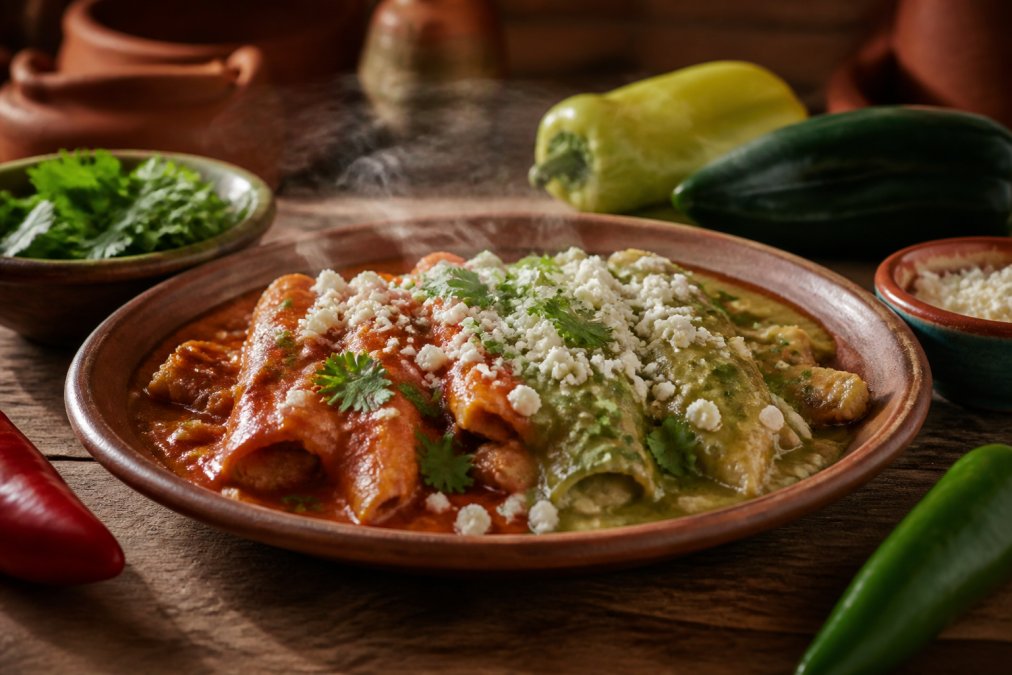
In traditional New Mexican cooking, both are essential. Enchiladas verdes showcase green chile's brightness. Red chile sauces bring depth to slow-cooked meats. The most sophisticated New Mexico flavor profiles layer both, creating what locals call "Christmas," a plate with red and green chile sauce drizzled together.
How to Use Southwest Spice Blends in Everyday Cooking
Authentic New Mexico flavor profiles work across virtually every meal type, not just barbecue. Start with proteins: a quality blend on grilled chicken, beef, pork, or fish delivers that signature smoky-savory character. Apply the blend generously enough to form a light crust when the meat hits heat.
For vegetables, roasted potatoes, Brussels sprouts, and cauliflower benefit enormously from New Mexico flavor profiles. Toss vegetables with olive oil, coat them with the blend, and roast at 425°F until tender and slightly charred for depth of flavor that transforms plain roasted vegetables.
Eggs and breakfast is where many cooks miss an opportunity. Scrambled eggs with a pinch of authentic New Mexico blend taste infinitely better than plain eggs. Sprinkle it on avocado toast, mix it into breakfast burritos, or dust it over a cheese omelet.
Soups and stews are natural applications. A teaspoon or two stirred into chili, bean soup, or vegetable stew adds complexity without requiring hours of simmering.
For everyday tacos and burritos, use a blend instead of standard taco seasoning. Whether you're making ground beef, shredded chicken, or seasoned beans, the result tastes authentically New Mexican rather than generic.
Dam Spice Company's blends like our Taco Seasoning and Green Chile Blend are formulated to work across all these applications.
Traditional New Mexico Cooking Ingredients That Shape the Cuisine
Beyond chile, several traditional ingredients form the backbone of authentic New Mexico flavor profiles.
Cumin is foundational, appearing in nearly every traditional New Mexican dish and providing an earthy, slightly warm undertone that makes chile flavors pop. Its aromatic oils carry notes of nuttiness and subtle bitterness that balance the sweetness in red chile and the brightness in green chile.

Anise shows up in traditional biscochitos and some chile blends. Its licorice-like sweetness adds subtle complexity that prevents New Mexico flavor profiles from becoming one-dimensional.
Pinon nuts (pine nuts) add richness and a slightly resinous, buttery quality. Their presence signals authenticity and care.
Mexican oregano is more strong and citrusy than Mediterranean varieties, bringing herbal brightness essential for capturing the right New Mexico flavor profiles.
Garlic and onions, particularly when roasted or caramelized, add sweetness and depth.
Black pepper in authentic blends adds peppery, slightly woody notes that round out the profile. Many commercial seasonings skimp on pepper, which is why homemade blends taste noticeably better.
These ingredients work together synergistically. Layered together in the right proportions, they create the unmistakable character of New Mexican cuisine.
The Heat Spectrum: Understanding Chile Scoville Levels
Heat in New Mexico flavor profiles is measurable and contextual. The Scoville scale measures capsaicin concentration, the compound responsible for chile heat.
Green chile from the Hatch Valley typically sits between 1,000 and 8,000 Scoville Heat Units (SHU) (peer-reviewed research). This is mild to medium heat, noticeable but not overwhelming. The heat hits your mouth first, then fades relatively quickly, allowing you to taste the chile's flavor.
Red chile often registers slightly higher, between 2,000 and 10,000 SHU, depending on the specific cultivar and growing conditions (peer-reviewed research). The maturation process concentrates capsaicin while developing other flavor compounds that make the heat feel less aggressive than the numbers suggest.
Hatch Valley chiles specifically tend toward the milder end of these ranges. This isn't weakness; it's intentional. The terroir produces chiles where flavor dominates over pure heat, which is why serious cooks prize them.
When building New Mexico flavor profiles, the heat level matters less than the flavor-to-heat ratio. A blend with 5,000 SHU that tastes complex and nuanced is more valuable than a blend with 8,000 SHU that's just hot.
Iconic New Mexico Dishes and Flavor Balance
The genius of traditional New Mexican cuisine lies in how it balances heat, sweetness, earthiness, and acidity within single dishes.
Enchiladas are the classic framework. Red or green chile sauce coats corn tortillas filled with cheese, meat, or beans. The balance here is crucial: the sauce needs enough heat to be noticeable but enough sweetness and earthiness to make it craveable.
Chile rellenos showcase green chile at its best. A whole roasted green chile is stuffed with cheese or meat, then covered in a light egg batter and fried. The char from roasting brings smokiness, the chile's natural sweetness comes through, and the cheese inside melts into the heat.
Carne adovada (marinated pork in red chile sauce) demonstrates how slow cooking develops flavor. The meat braises in red chile sauce for hours, allowing the chile's complex notes to penetrate the protein. The result is tender, intensely flavored meat where the heat has mellowed into warmth and the sweetness has caramelized.
Posole (hominy stew) brings everything together. The stew base is seasoned with red or green chile, topped with shredded cabbage, radishes, oregano, and lime. It's a complete flavor experience in a bowl.
The common thread across all these dishes is intentional balance. New Mexican cooks layer flavors so that each component contributes something distinct, separating authentic New Mexico flavor profiles from one-dimensional spice blends.
How Geographic Terroir and Heritage Shape New Mexico Flavors
The Hatch Valley's unique geography creates conditions that produce chiles fundamentally different from those grown elsewhere. The valley's elevation around 4,000 feet creates significant temperature swings between day and night, concentrating sugars and developing complex flavor compounds (usda.gov). The soil composition influences how the plant absorbs nutrients and expresses them in flavor. Irrigation practices affect the plant's stress levels and therefore its chemistry.
These factors combine to create chiles that taste different from identical varieties grown elsewhere. A Hatch green chile has a particular brightness and freshness that's difficult to replicate. A Hatch red chile has an earthiness and subtle sweetness that serious cooks actively seek out.
The culinary heritage layered on top of this geography is equally important. Hispanic settlers brought chile cultivation and cooking techniques from Mexico and Spain. Native American tribes contributed their own foodways and ingredient knowledge. These traditions developed over centuries in this specific place, creating a cuisine deeply rooted in both the land and the people who've lived there.
This heritage explains why authentic New Mexico flavor profiles can't be replicated by simply buying chiles from somewhere else and following a recipe. When Dam Spice Company sources directly from the region and blends according to traditional proportions, we're preserving that heritage, not just selling spice.
Authentic New Mexico flavor profiles represent more than just seasoning; they're a gateway to understanding a region's culinary identity. Whether you're grilling steaks, roasting vegetables, or building a simple taco, the right blend transforms the meal into something that tastes genuinely connected to the Southwest's heritage and terroir.
The challenge most home cooks face is finding blends that actually deliver on the promise of authenticity. Mass-market options prioritize shelf stability and cost over flavor complexity. Dam Spice Company makes a difference. Our Red & Green Chile Blend and Dos Rojos blend are formulated to capture real New Mexico flavor profiles, the smoky depth, balanced heat, and earthy sweetness, without additives or shortcuts. Every shake delivers the authentic taste of the region, turning everyday meals into something worth remembering.

Frequently Asked Questions
Q: What is the flavor profile of New Mexico chili?
A: New Mexico chiles deliver a complex balance of smoky, earthy, and slightly sweet notes with moderate to high heat depending on the variety. Red chiles tend toward deeper, more caramelized flavors with hints of fruitiness, while green chiles offer brighter, grassy, and more herbaceous character. The authentic flavor profile emerges from the region's unique terroir, the combination of high altitude, mineral-rich soil, and intense sunlight that concentrates the chile's natural sugars and capsaicin compounds.
Q: How do red and green chiles differ in flavor and usage?
A: Red chiles are harvested fully ripe and develop deeper, sweeter, almost smoky flavors with lower acidity. They work beautifully in sauces, rubs, and slow-cooked dishes. Green chiles are picked earlier, retaining bright, vegetal, and slightly grassy notes with more pronounced heat. Use green chiles fresh or roasted for salsas, enchiladas, and dishes where you want vibrant, forward flavor. Red chiles shine in traditional red chile sauce, meat rubs, and dried applications where their complex sweetness can fully develop.
Q: What makes New Mexico flavor profiles unique compared to other Southwest cuisines?
A: New Mexico's culinary identity stems from centuries of blended influences, Native American farming traditions, Hispanic colonial cooking methods, and the region's specific geographic advantages. Traditional foodways emphasize chile as the foundation of nearly every dish, paired with cumin, anise, and pinon to create layered, aromatic complexity that defines authentic New Mexico cooking.
Q: How can I use spice blends to replicate authentic New Mexico flavors at home?
A: Start with blends built on roasted red or green chiles as the primary ingredient, this ensures you're capturing the core flavor profile rather than generic heat. Layer in cumin for earthiness, black pepper for pungency, and anise for subtle sweetness. Apply blends generously to meats before grilling or roasting; the heat and spices caramelize to create authentic crust and depth. For everyday cooking, dust blends on roasted vegetables, eggs, or rice. All-natural, additive-free blends like those from Dam Spice Company deliver the true taste without MSG or filler ingredients that mask authentic flavor.
This article was written using GrandRanker