

Authentic Red Chile Seasoning for Tacos: A Guide
Table of Contents
- What Makes Authentic Red Chile Seasoning Different
- New Mexico Red Chile Powder vs Chili Powder: Understanding the Difference
- How to Use Southwest Spice Blends for Taco Seasoning
- Building Your Additive-Free Taco Seasoning Recipe
- Customizing Heat and Flavor Balance
- Storage, Shelf Life, and Authenticity Tips
- Conclusion
Last Updated: August 25, 2026
What Makes Authentic Red Chile Seasoning Different
Authentic red chile seasoning for tacos starts with a fundamental difference: it's built on actual dried chiles, not generic chili powder blends. Most store-bought taco seasoning relies on a catch-all chili powder that mixes multiple chile varieties with fillers and preservatives. That's convenient, but it erases the complexity that makes real Southwest cooking distinctive.
The distinction matters because red chile powder, particularly New Mexico varieties, delivers a flavor profile that chili powder simply can't match. Red chile brings earthiness, mild heat, and subtle smokiness. Chili powder, by contrast, is often a pre-mixed blend designed for broad appeal, which means it's optimized for mediocrity. When you start with authentic red chile powder and layer in complementary spices like ground cumin, Mexican oregano, and garlic, you're building something with actual character.
At Dam Spice Company, we source authentic New Mexico red chiles and grind them fresh, which preserves the aromatic qualities that fade in mass-produced alternatives sitting on shelves for months. This approach transforms how tacos taste. The difference isn't subtle, it's the gap between seasoning that adds flavor and seasoning that defines it.
The real payoff is control. Homemade authentic red chile seasoning lets you adjust heat level, salt content, and spice ratios to match your exact preferences. You're not locked into whatever a food scientist decided was the "right" amount of sodium or heat. You decide.
New Mexico Red Chile Powder vs Chili Powder: Understanding the Difference
These two aren't interchangeable, though many home cooks treat them that way. Understanding the difference is the first step toward authentic red chile seasoning for tacos.
Red chile powder is a single-ingredient product: dried red chiles ground into powder. In the Southwest, this typically means New Mexico red chiles, which have a Scoville rating between 2,500 and 8,000 units, mild to moderate heat with pronounced fruity and earthy undertones (peer-reviewed research). The flavor is clean and direct. When you buy red chile powder, you're getting the chile itself, nothing else.

Chili powder is a spice blend. It contains chili peppers as a base ingredient, but adds cumin, garlic powder, oregano, and often salt and anti-caking agents. It's designed to be a complete seasoning, ready to sprinkle straight into a pot. The trade-off is that you lose control over individual spice ratios, and the inclusion of preservatives and fillers can mute the authentic chile flavor.
The taste difference is immediate. Red chile powder tastes like the chile, bright, slightly sweet, with that characteristic earthy depth. Chili powder tastes like a seasoning blend, which means it's more uniform and less interesting. Red chile powder also blooms differently when heated, releasing more aromatic compounds that traditional chili powder can't match.
For authentic red chile seasoning for tacos, start with pure red chile powder. You control everything else from there. This is where authenticity actually begins, not with a pre-made blend, but with the real ingredient.
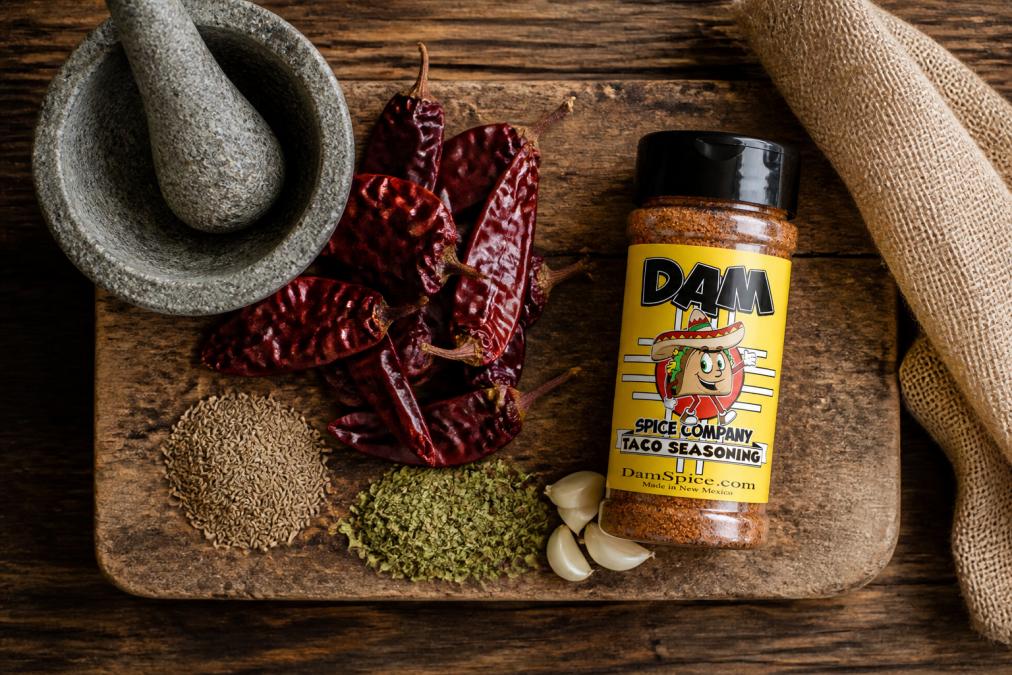
How to Use Southwest Spice Blends for Taco Seasoning
The way you use a spice blend determines whether you end up with one-dimensional seasoning or layered, complex flavor. This is where technique separates home cooks from people who actually understand how Southwest spice blends work.
Most people sprinkle seasoning directly onto cold or room-temperature meat. That works, but you're missing half the potential. The real technique is blooming, heating your spices in fat before they hit the meat. This releases volatile aromatic compounds that stay locked inside the spice particles if you skip this step. When you bloom cumin, Mexican oregano, and red chile powder in a hot cast iron skillet with a bit of oil or rendered fat, those spices become exponentially more flavorful (peer-reviewed research).
Here's the practical sequence: Heat your skillet over medium-high heat. Add a thin layer of oil or fat. Once it shimmers, add your spice blend and toast it for 30-45 seconds, stirring constantly. You'll smell the transformation immediately, the spices go from flat to aromatic. That's when you add your meat. The heat and fat have already activated the flavor compounds, so they distribute evenly throughout the taco meat as it cooks.
Temperature matters here. Too hot and your spices scorch, turning bitter. Medium-high gives you the sweet spot where blooming happens without burning. If you're new to this technique, start with 30 seconds and watch carefully. You'll develop an instinct for when the aroma peaks.
The spice blend itself should include red chile powder as the base, ground cumin for earthiness and warmth, Mexican oregano for herbal complexity, garlic powder for savory depth, and a touch of salt. This combination creates balance, no single spice dominates. When you bloom this blend properly, each component contributes without overpowering the others.
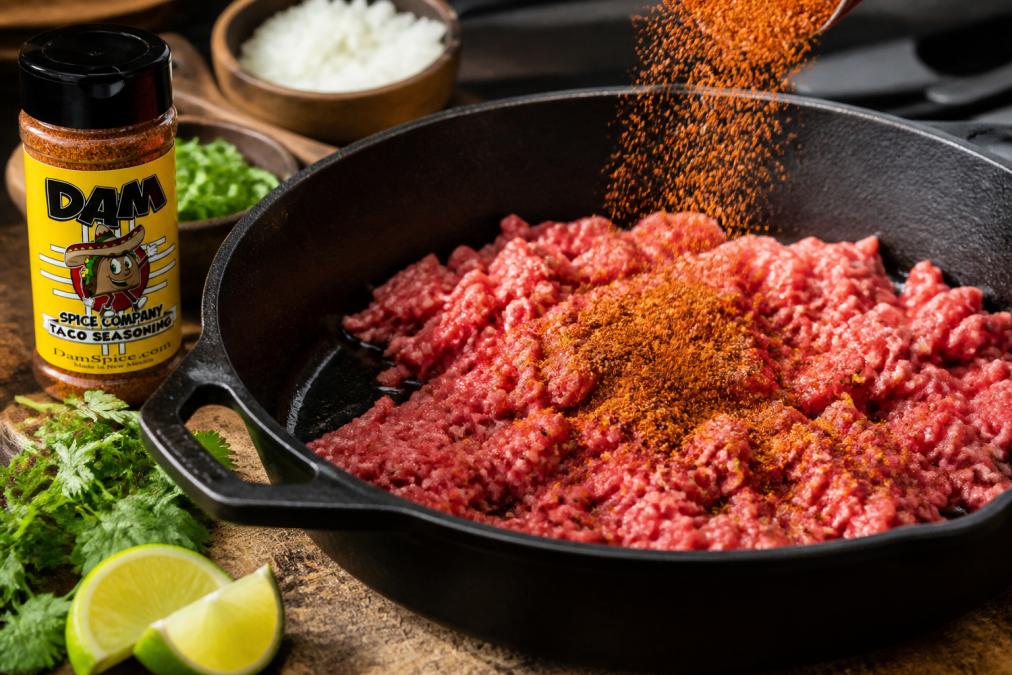
Building Your Additive-Free Taco Seasoning Recipe
An additive-free authentic red chile seasoning for tacos means starting with whole spices or freshly ground powders, then mixing them yourself. This eliminates the preservatives, anti-caking agents, and fillers that mass-produced packets contain.
Ingredient Breakdown and Sourcing
Your base ingredient is red chile powder, ideally made from New Mexico red chiles. This should be your largest component by volume, typically 2-3 tablespoons per pound of meat. Look for powder that's vibrant red, not faded orange or brown, which indicates freshness and proper storage.
Ground cumin comes next. Use 1-1.5 teaspoons per pound of meat. Cumin adds warmth and earthiness that complements the fruity notes in red chile powder. Buy whole cumin seeds and grind them yourself if possible, pre-ground cumin loses aromatic potency within months.
Mexican oregano (not Mediterranean oregano) contributes herbal complexity. Use 0.5-1 teaspoon per pound. Mexican oregano is slightly more citrusy and less minty than its European counterpart, which makes it work better with red chile. If you can't find it, regular oregano works, but the flavor profile shifts slightly.
Garlic powder adds savory depth, 0.5-1 teaspoon per pound. Fresh garlic would introduce moisture, which changes the seasoning's behavior, so powder is the right choice here.
Salt is optional if you're using this for seasoned ground meat that will be cooked and served immediately. If you're making a dry rub for grilling or storing the blend long-term, add salt to taste, typically 0.5-1 teaspoon per pound of meat.
Sourcing matters. Buy from suppliers who specialize in Southwest spices, not generic grocery store brands that have been sitting in distribution for months. Fresh spices have more volatile aromatic compounds, which is what creates that authentic flavor. Dam Spice Company's blends like New Mexico Heat are designed specifically for this purpose, with spices sourced and ground fresh in New Mexico.

Step-by-Step Mixing and Blooming Technique
Start by measuring your spices. A kitchen scale is more reliable than measuring spoons for consistency, but spoons work fine for home cooking. Combine your red chile powder, ground cumin, Mexican oregano, and garlic powder in a small bowl. Mix thoroughly with a fork or small whisk, breaking up any clumps. This ensures even distribution, you don't want pockets of pure cumin or oregano in your final taco meat.
Heat your skillet over medium-high heat for 1-2 minutes. Add oil or rendered fat, about 1 tablespoon per pound of meat. Once the fat shimmers and moves freely across the pan, add your spice blend. This is the blooming step. Stir constantly for 30-45 seconds. You're looking for the moment when the spices become fragrant and slightly darker in color. This is when the heat has activated the essential oils in the spices.
Immediately add your ground meat to the hot, bloomed spices. Break the meat apart with a wooden spoon or spatula, stirring to coat every piece with the seasoned fat. This distributes the flavor evenly. Cook until the meat is no longer pink, typically 5-7 minutes depending on heat level and meat quantity.
The blooming technique is what separates authentic preparation from simply mixing seasoning into cold meat. It's not complicated, but it's the difference between flat seasoning and layered flavor.
Customizing Heat and Flavor Balance
Not everyone wants the same level of heat. The beauty of making your own authentic red chile seasoning for tacos is that you control the Scoville intensity and flavor emphasis.
For milder seasoning, reduce the red chile powder and increase cumin and Mexican oregano slightly. This shifts the flavor profile toward earthiness rather than heat. You're still using authentic red chile, but less of it. The spices that remain become more prominent in the final flavor.
For more heat, increase red chile powder and consider adding a small amount of cayenne pepper, about 0.25 teaspoon per pound of meat. Cayenne is hotter than New Mexico red chile, so use it sparingly. It adds pure heat without the complexity of red chile, so balance matters.
For more smoky undertones, add a pinch of smoked paprika. This doesn't increase heat; it adds a charred, smoky quality that works well with grilled or smoked meats. Use 0.25-0.5 teaspoon per pound.
For deeper savory flavor, increase garlic powder slightly or add a small amount of onion powder, about 0.25 teaspoon per pound. This adds umami depth without changing the heat level.
The key principle is understanding what each spice contributes. Red chile provides heat and fruity earthiness. Cumin adds warm, slightly bitter earthiness. Mexican oregano brings herbal complexity. Garlic delivers savory umami. When you know these individual contributions, you can adjust ratios to match your preferences without guessing.
Start with the base recipe, cook a small batch, taste it, and adjust. Make notes about what you changed and the result. After a few iterations, you'll develop your personal version of authentic red chile seasoning for tacos that matches exactly what you want.
Storage, Shelf Life, and Authenticity Tips
Homemade seasoning blends stay fresh longer than most people assume, but storage conditions matter significantly. Keep your blend in an airtight container away from heat, light, and moisture. A glass jar with a tight-sealing lid works perfectly. Avoid plastic containers, which can absorb spice oils and flavors over time.
Stored properly in a cool, dark cabinet, your blend stays vibrant and aromatic for 3-4 months (fsis.usda.gov). After that, the volatile compounds in the spices gradually fade, and the blend becomes less flavorful. This is actually a feature, not a bug, it means you're not using preservatives to artificially extend shelf life. You're using real spices that maintain their integrity naturally.
The refrigerator or freezer isn't necessary and can introduce condensation, which degrades the blend. Room temperature storage in a dark cabinet is ideal.
One authenticity tip: if you notice your red chile powder has faded from bright red to dull orange or brown, it's past its prime. This indicates oxidation and loss of aromatic compounds. Replace it. Fresh red chile powder is the foundation of authentic seasoning, so starting with quality ingredients matters more than any technique.
Another consideration: if you're making large batches to store, keep the blend dry. Moisture is the enemy. Never scoop the blend with a wet spoon, and make sure your container seals completely. Some people add a small dried chile pod or a bay leaf to the jar for additional flavor and as a freshness indicator, if the added ingredient shows any moisture or mold, the whole batch needs replacing.
For the best results, buy your spices fresh and blend them as needed rather than making huge batches months in advance. This requires more effort, but the flavor difference is substantial. Dam Spice Company's approach of sourcing and grinding fresh in New Mexico reflects this principle, authenticity means working with ingredients at their peak.
Making authentic red chile seasoning for tacos at home puts you in control of flavor, heat level, and ingredient quality in ways that store-bought packets never can. The process is straightforward, the ingredients are accessible, and the results transform how your tacos taste. Start with quality red chile powder, master the blooming technique, and adjust ratios to match your preferences. If you want a shortcut that maintains full authenticity, Dam Spice Company's blends like Taco Seasoning and New Mexico Heat are crafted with the same principles, all-natural, additive-free spices sourced and ground fresh in New Mexico. Try a sample first if you want to test the flavor before committing to a full jar.

Frequently Asked Questions
What is the difference between chili powder and red chile powder?
Red chile powder comes from ground dried red chiles and delivers pure chile flavor with earthy, smoky undertones. Chili powder is a spice blend that typically includes red chile, cumin, oregano, garlic, and salt. For authentic red chile seasoning for tacos, red chile powder gives you control over your blend's composition and heat level, while chili powder is pre-mixed and often contains additives. Red chile powder is the foundation of traditional New Mexico cooking.
How do I make authentic red chile seasoning for tacos at home?
Toast whole dried red chiles, ancho chiles, or a combination in a dry skillet for 30 seconds until fragrant. Grind them into powder, then blend with ground cumin, Mexican oregano, garlic powder, and salt. The ratio depends on your taste, but start with 3 tablespoons red chile powder, 1 tablespoon cumin, 1 teaspoon oregano, and salt to taste. Bloom the spices in hot oil or fat before adding to meat for deeper flavor infusion and better umami development.
Why is blooming spices important for taco seasoning?
Blooming spices means briefly heating them in oil or fat, which activates aromatic compounds and releases their full flavor profile. This technique transforms dried spices from flat-tasting powder into complex, layered seasonings with rich umami. When you bloom red chile powder and cumin in hot oil before adding taco meat, you unlock the smoky undertones and create better flavor balance throughout your dish. It's a culinary technique that separates authentic preparation from simply sprinkling dry seasoning on cold meat.
Can I use additive-free taco seasoning recipe for other dishes beyond tacos?
Yes. Authentic red chile seasoning works as a dry rub for grilled steak, chicken, and pork ribs. It seasons roasted vegetables, chili, and enchilada sauces. You can rehydrate it with water or broth to create a chile paste base for traditional red chile sauce. The versatility comes from its clean ingredient list with no preservatives or MSG, so you can adjust ratios and applications without worrying about hidden additives affecting other flavors in your cooking.
How long does homemade red chile seasoning last in storage?
Homemade additive-free red chile seasoning stays fresh for 3 to 6 months in an airtight container stored in a cool, dark pantry. Ground spices lose potency over time as aromatic compounds fade. Store in glass jars away from heat and light to extend shelf life. Whole dried chiles last longer than ground powder, so consider grinding small batches as needed. Always check for off odors or color changes before using older spice blends.
What makes Dam Spice Company's red chile seasoning different from store-bought packets?
Dam Spice Company blends use authentic New Mexico red chiles sourced and crafted right in New Mexico, with zero additives, MSG, or preservatives. Store-bought packets often contain fillers, anti-caking agents, and sodium additives that mask true chile flavor. Our all-natural approach lets you taste the real earthy, smoky character of New Mexico chiles. The Dos Rojos blend combines red chile with red jalapeño for balanced heat, while our Taco Seasoning delivers the perfect Southwest flavor profile without hidden ingredients.
This article was written using GrandRanker