

Best All-Natural Meat Rubs 2026: Clean Label Guide
Table of Contents
- What to Look for in All-Natural Meat Rubs
- Top All-Natural Meat Rubs for Beef and Brisket
- Best All-Natural Rubs for Pork and Ribs
- All-Natural Rubs for Poultry and Chicken
- Meat Rub Ingredients to Avoid in Your Seasoning
- How to Make Homemade Meat Rub from Scratch
- Quick Comparison: All-Natural Rubs by Meat Type
- Conclusion
Last Updated: August 13, 2026
What to Look for in All-Natural Meat Rubs
When shopping for a dry rub, the label tells you everything you need to know. A true all-natural meat rub starts with recognizable ingredients: salt, spices, garlic, onion, maybe some brown sugar or honey. The difference between genuinely clean rubs and marketing gimmicks comes down to three things: certifications, ingredient transparency, and what's NOT in the jar.
Certification Standards That Matter
USDA Organic certification is the gold standard. It means every ingredient has been verified to meet federal standards, with no synthetic pesticides, artificial preservatives, or GMOs. USDA Organic standards define exactly what qualifies.
Beyond organic, look for Whole30 Approved or Certified Gluten-Free labels if those matter to your diet. Non-GMO Project Verified is another solid indicator. If a rub lacks certifications, it doesn't necessarily mean it's bad, small companies may not have pursued formal certification, but certifications provide accountability.
Reading Labels for True All-Natural Claims
Real all-natural rubs list spices individually: paprika, garlic powder, onion powder, kosher salt, black pepper, chili powder. If you see "spice blend" or "natural flavor" without specifics, that's a red flag.
Watch for anti-caking agents like silicon dioxide or sodium aluminosilicate. These prevent clumping but have no place in genuinely natural rubs.
MSG and its aliases are sneaky culprits. It hides under names like "autolyzed yeast extract," "hydrolyzed vegetable protein," or "natural flavoring." If you're sensitive to MSG, you need to know these aliases.
Artificial preservatives like BHA, BHT, or sodium nitrite compromise the "all-natural" claim. Legitimate all-natural rubs use salt as their primary preservative.
Sugar content matters too. Some rubs are 20-30% sugar by weight. Brown sugar, honey, and cane sugar are all legitimate all-natural options. Artificial sweeteners are not.
Top All-Natural Meat Rubs for Beef and Brisket
Beef demands a rub that respects the meat's natural richness. The best beef rubs build layers: salt for seasoning, pepper for bite, and deeper notes from paprika or chili.
Hardcore Carnivore Black: Deep Bark and Savory Depth
This rub has become synonymous with competition BBQ because it builds an absolutely stunning bark. The activated charcoal creates a deep, dark crust that looks professionally smoked. It's pure visual theater, and it tastes as good as it looks.
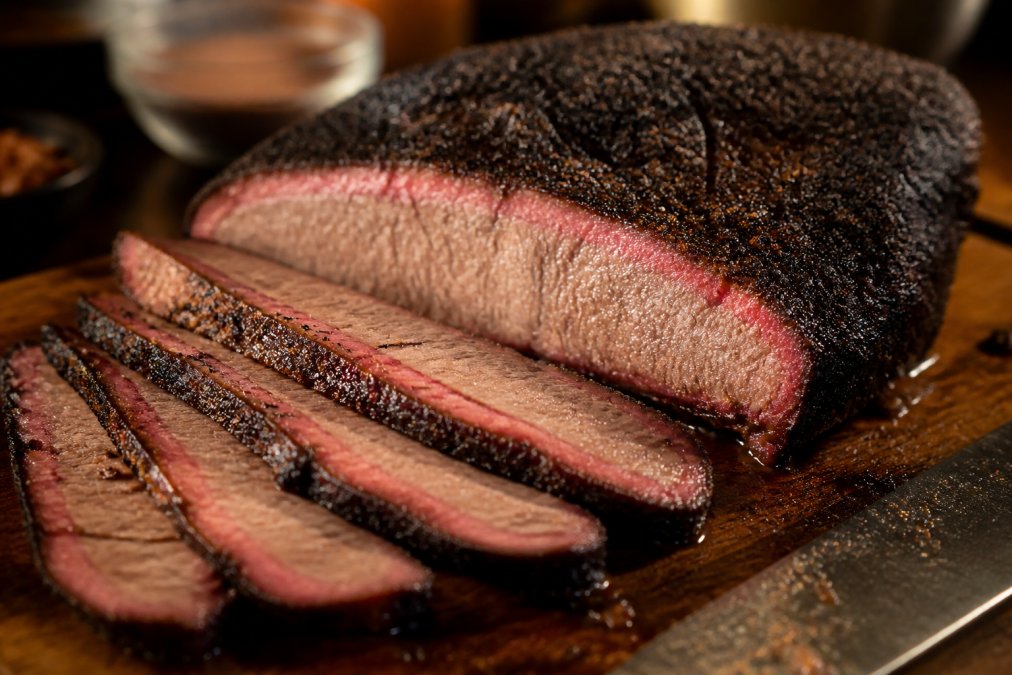
The ingredient list is mercifully short: salt, spices, garlic, onion, sugar, and activated charcoal. No anti-caking agents, no artificial preservatives.
Hardcore Carnivore Black excels on brisket and thick-cut steaks. The aggressive seasoning cuts through fat without getting lost. On leaner cuts, use a lighter hand.
Pros: Creates exceptional bark, enhances natural meat flavor, widely available, no artificial additives.
Cons: Contains sugar, can be messy to apply, best suited for heavier meats.
Primal Palate Organic Steak Seasoning: USDA Certified Clean
This rub is for people who take "all-natural" seriously. Every ingredient is USDA Organic certified. It's also Whole30 Approved, Certified Gluten-Free, Kosher, and Non-GMO Project Verified.
The flavor profile is intentionally restrained: garlic, onion, salt, pepper, and a touch of paprika. On high-quality steak, this lets the meat shine. The real differentiator is ingredient sourcing, Primal Palate is obsessive about where their spices come from, which matters more than most people realize.
Pros: Highest certification standards, organic sourcing, versatile across proteins, no sugar.
Cons: Minimal flavor profile, higher price point, less dramatic bark than charcoal-based rubs.
Dam Spice Company: Authentic Southwest Heat
Dam Spice Company brings genuine New Mexico flavors to your meat rub with no additives or MSG. New Mexico chiles have a completely different flavor profile than standard chili powder, more complex, more nuanced, with heat that builds rather than hits. Combined with garlic and salt, it creates a rub that works beautifully on beef, pork, and chicken.
The brand philosophy is straightforward: bring authentic Southwest taste to your kitchen with no shortcuts or marketing gimmicks.
Pros: Authentic regional flavor, all-natural with no additives, versatile across meats, bold Southwest profile.
Cons: Regional flavor profile may not appeal to traditional BBQ purists, less widely available than national brands.
Best All-Natural Rubs for Pork and Ribs
Pork is more forgiving than beef and rewards rubs that balance savory and sweet. The fat in pork absorbs flavors differently, allowing you to be more aggressive with sweetness and spice.
Meat Church Holy Gospel: Balanced Sweet and Savory
This rub has earned its reputation through consistency. The vibrant red color comes from paprika, and the flavor is genuinely balanced, not too sweet, not too savory. It works across all proteins but shines on pork ribs and shoulders.
The ingredient list includes salt, paprika, garlic, onion, and brown sugar. Simple. Recognizable. No hidden additives. The brown sugar caramelizes during smoking and creates a glaze-like finish without actually being a glaze.
Meat Church Holy Gospel delivers reliable results for both competition pitmasters and backyard grillers.
Pros: Excellent all-around flavor, produces desirable red color, reliable results, no artificial additives.
Cons: Contains sugar, flavor profile is intentionally conventional, less unique than specialized rubs.
Kosmo's Q Killer Bee Honey Rub: Honey-Forward Sweetness
If you love sweet rubs, this is your answer. Kosmo's Q Killer Bee Honey Rub leads with honey flavor and creates an incredible caramelized crust on pork. The honey is actual honey powder, providing both flavor and functional sweetness that caramelizes properly during smoking.
This rub is polarizing. People either love the honey-forward approach or find it too sweet. If you enjoy honey ham or honey-glazed bacon, Killer Bee is your rub.
Pros: Distinct honey flavor, creates exceptional caramelization, versatile across proteins, no artificial sweeteners.
Cons: High sugar content, very sweet profile not for everyone, can burn if heat is too high.
All-Natural Rubs for Poultry and Chicken
Chicken is delicate and needs a rub that seasons without overwhelming the meat's subtle flavor. The best poultry rubs use herbs alongside spices to create complexity without heat.
Traeger Rub: Versatile Herb and Spice Balance
Traeger Rub is built for versatility across chicken, brisket, pork, and vegetables. The ingredient profile includes garlic, paprika, oregano, basil, and chili pepper, creating depth without aggression. On chicken, the herbs shine and complement poultry's mild flavor without competing. The rub creates a savory crust that locks in moisture.
Pros: Balanced herb and spice profile, works across all proteins, gluten-free, widely available.
Cons: Contains sugar, less specialized than dedicated poultry rubs, flavor is intentionally conventional.
Bad Byron's Butt Rub: Classic Smoky Simplicity
Despite the name, Bad Byron's Butt Rub works beautifully on chicken. It's classic BBQ seasoning: onion, garlic, salt, pepper, paprika, with a touch of chipotle for smokiness. On poultry, this creates a savory, smoky crust without sweetness that can overpower delicate chicken meat.
This rub has been used by championship barbecuers for decades. That longevity means it actually works.
Pros: Simple, proven formula, gluten-free, affordable, authentic BBQ flavor.
Cons: Contains some sugar, flavor profile is conventional, less available than larger brands.
Meat Rub Ingredients to Avoid in Your Seasoning
Knowing what to avoid is just as important as knowing what to buy.
Anti-Caking Agents and Artificial Additives
Silicon dioxide and sodium aluminosilicate are common anti-caking agents that prevent clumping but serve no purpose in genuinely all-natural rubs. Clumping is a sign of purity. Watch for any ingredient ending in "-silicate."
Artificial colors like FD&C Red No. 40 or Yellow No. 5 appear in some rubs to create appealing red color. Real paprika does this naturally. If you see artificial colors, the manufacturer chose artificial over natural for cost reasons.
MSG, Artificial Preservatives, and Hidden Fillers
Monosodium glutamate (MSG) enhances savory flavor but hides under aliases: "autolyzed yeast extract," "hydrolyzed vegetable protein," "yeast extract," "natural flavoring." If you're sensitive to MSG or want to avoid it, recognize these disguises.
Sodium nitrite and sodium nitrate are preservatives unnecessary in dry rubs, where salt is the primary preservative.
BHA and BHT are synthetic antioxidants that extend shelf life. Many all-natural brands avoid them entirely.
Fillers like cornstarch or dextrose dilute actual spices. If salt and fillers are listed before spices, you're getting a diluted product.
How to Make Homemade Meat Rub from Scratch
Homemade rubs cost less, taste fresher, and give you complete control over every ingredient.
Essential Base Ingredients for Any Dry Rub
Every good dry rub starts with salt. Kosher salt is ideal because larger crystals distribute evenly. Use about 2-3 tablespoons per cup of finished rub.
Black pepper comes next, coarse cracked pepper, not pre-ground dust. Use about 1-2 tablespoons per cup. Fresh-cracked pepper has dramatically more flavor.
Garlic powder and onion powder add savory depth. Use about 1 tablespoon of each per cup. These are dehydrated versions because fresh garlic and onion burn during smoking.
Paprika provides color and subtle sweetness. Use about 1-2 tablespoons per cup. Smoked paprika adds extra smoke flavor if desired.
Brown sugar (optional but recommended) adds sweetness that caramelizes during cooking. Use about 1-2 tablespoons per cup.
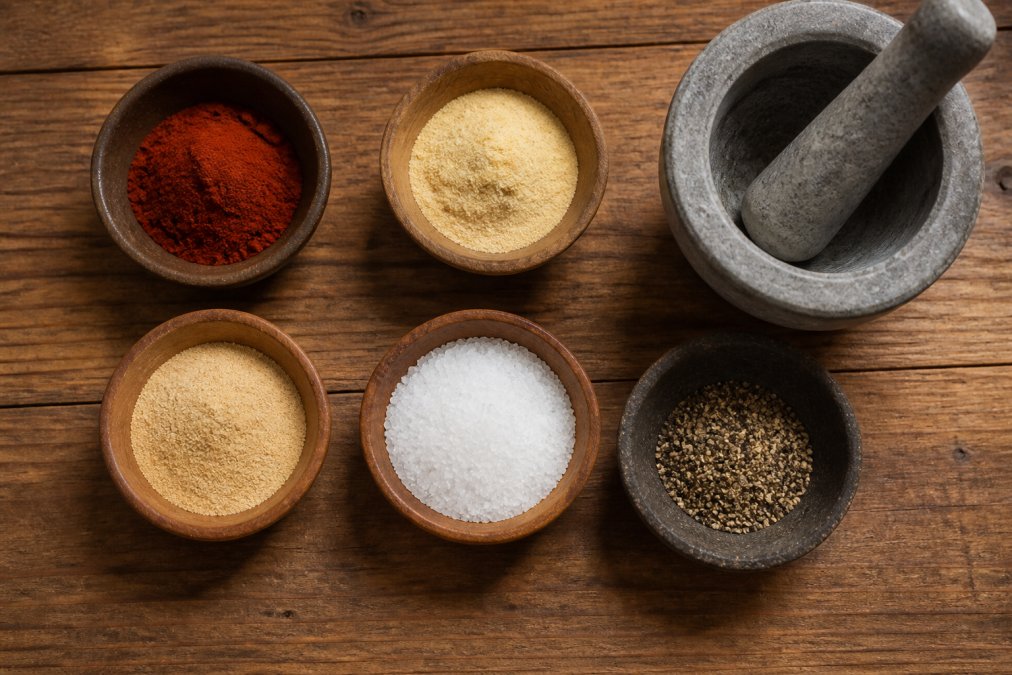
From here, customize based on preference. Add chili powder for heat, cumin for earthiness, or oregano or thyme for herbaceous notes.
Rub-to-Meat Ratio and Application Tips
The standard ratio is about 1 tablespoon of rub per pound of meat. Mix dry ingredients thoroughly, breaking up any brown sugar clumps. Some people run the finished rub through a food processor for uniform texture.
Apply the rub generously but not wastefully. Pat it onto the meat so it adheres. For beef, apply about 30 minutes before cooking. For pork and chicken, apply the night before for better flavor penetration.
Store homemade rubs in airtight containers away from heat and light. They'll stay fresh for 3-4 months. Salt is a natural preservative, so homemade rubs last longer than expected.
Quick Comparison: All-Natural Rubs by Meat Type
| Meat Type | Best Rub | Flavor Profile | Key Feature |
|---|---|---|---|
| Beef/Brisket | Hardcore Carnivore Black | Savory, smoky, deep | Activated charcoal bark |
| Pork Ribs | Meat Church Holy Gospel | Balanced sweet and savory | Red color, caramelization |
| Chicken/Poultry | Traeger Rub | Herb-forward, balanced | Versatile across proteins |
| General Purpose | Dam Spice Company | Bold Southwest heat | Authentic New Mexico spices |
| Premium/Certified | Primal Palate Organic | Clean, minimal | USDA Organic certified |
Choosing an all-natural meat rub comes down to ingredient integrity, flavor profile, and what you're cooking. Skip rubs loaded with anti-caking agents and artificial preservatives.
If you want authentic Southwest flavors with genuine all-natural commitment, Dam Spice Company delivers. Made with New Mexico spices in New Mexico, their rubs bring bold, savory depth to everything from steaks to ribs. No additives, no compromises. Get started with Dam Spice Company and transform your everyday grilling into something genuinely memorable.
Frequently Asked Questions
What makes all-natural meat rubs different from conventional seasoning blends?
All-natural meat rubs contain no artificial preservatives, anti-caking agents, MSG, or synthetic additives. They rely on whole spices, herbs, and natural salts to build flavor. Conventional rubs often include silicon dioxide or calcium silicate as anti-caking agents and may contain MSG for umami enhancement. All-natural options achieve depth through quality ingredients like paprika, garlic powder, and kosher salt, making them ideal for cooks who want to know exactly what's coating their meat.
How do I know if a meat rub is truly all-natural and additive-free?
Check for third-party certifications like USDA Organic, Whole30 Approved, or Non-GMO Project Verified on the label. Read the ingredient list carefully, if you can't pronounce an ingredient or don't recognize it, research it. Avoid labels listing anti-caking agents, artificial preservatives, or vague terms like 'natural flavoring.' Brands sourced from regions known for spice purity, like New Mexico, often prioritize ingredient transparency. Contact the manufacturer directly if the label doesn't clearly disclose all ingredients.
What's the best dry rub for brisket to create a proper smoke ring and bark?
The best dry rub for brisket combines kosher salt, coarse black pepper, garlic powder, onion powder, and paprika as a foundation. Activated charcoal rubs like Hardcore Carnivore Black enhance bark formation and create that signature dark crust competition pitmasters prize. Apply the rub generously 12-24 hours before smoking to allow flavors to penetrate. For low-and-slow smoking, use a 1:1 ratio of salt to other spices. The salt draws moisture to the surface, which combines with smoke to form the pink smoke ring inside the meat.
Can I make my own all-natural meat rub at home?
Yes. Start with kosher salt as your base, add coarse black pepper, garlic powder, onion powder, paprika, and chili powder in equal parts. Mix 2-3 tablespoons per pound of meat. Store in an airtight container away from heat and light for up to six months. Homemade rubs let you control sugar content, skip additives entirely, and customize heat levels. For Southwest-inspired blends, add cumin and dried oregano. The key is using culinary-grade spices from reputable sources to ensure quality and potency.
This article was written using GrandRanker