

Best Grill Rubs for Beginners 2026
Table of Contents
- Best Grill Rubs for Beginners: Quick Comparison
- Understanding Flavor Profiles and Rub Basics
- How to Apply Dry Rub to Meat Like a Pitmaster
- How Long to Leave Rub on Brisket and Other Cuts
- Best Spice Rubs for Roasted Vegetables
- Store-Bought vs. Homemade Rubs: Which Is Right for You
- Common Beginner Mistakes with Grill Rubs
Last Updated: August 18, 2026
Best Grill Rubs for Beginners 2026: Quick Comparison
Getting started with grill rubs doesn't require fancy equipment or years of experience. The right seasoning blend transforms ordinary meat into something memorable. At Dam Spice Company, we've watched home cooks discover that quality spices make an enormous difference when you understand flavor balance and application technique.
The challenge most beginners face is choosing a rub that works for their grilling style and proteins. This guide shows you which rubs work best for different situations, how to apply them like a pitmaster, and why store-bought sometimes beats homemade.
Quick Picks:
- Best Overall for Beginners: Dam Spice Company, authentic New Mexico flavors, all-natural, works on virtually any protein
- Best Versatile All-Purpose: Meat Church The Gospel All-Purpose BBQ Rub, balanced sweet-savory profile, gluten-free, excellent bark formation
- Best for Budget-Conscious Grilling: Stubb's Bar-B-Q Rub, authentic Texas style, affordable, widely available
- Best for Beef Specifically: Hardcore Carnivore Black, creates impressive dark crust, MSG-free, designed for red meats
- Best for Learning to Blend: Simply Organic DIY Grill & Dry Rub Mild Spice Set, organic ingredients, teaches flavor balance
| Rub | Best For | Key Strength | Flavor Profile |
|---|---|---|---|
| Dam Spice Company | All proteins & vegetables | All-natural New Mexico spices | Smoky, savory, balanced heat |
| Meat Church The Gospel | Beginners seeking versatility | Sweet-savory balance | Balanced, crowd-pleasing |
| Killer Hogs A.P. Rub | Creating mahogany bark | Foundational savory base | Savory, layerable |
| Bad Byron's Butt Rub | Pork & ribs | Consistent, easy-to-control | Mild, smoky, authentic |
| Hardcore Carnivore Black | Beef & steaks | Dark crust appeal | Bold, charcoal-enhanced |
| Traeger Rub | Pellet grill users | Wood-fired flavor complement | Balanced, herbaceous |
| Stubb's Bar-B-Q Rub | Texas-style enthusiasts | Affordability & availability | Smoky, savory, hickory |
| McCormick Grill Mates Montreal | Steak specialists | Bold garlic-pepper profile | Peppery, savory |
Understanding Flavor Profiles and Rub Basics
A dry rub is a blend of spices, herbs, salt, and sugar applied directly to meat before grilling. Unlike marinades, rubs form a crust called bark when heat caramelizes the sugars and proteins on the meat's surface. The bark is where flavor happens, the right rub creates a crust that locks in moisture while building complex taste layers.
Most successful rubs contain four core components: salt for seasoning and moisture retention, sugar for caramelization and bark formation, aromatics like garlic and onion powder for depth, and spices for heat and complexity. The ratio matters enormously. Too much salt and your meat becomes inedible. Too much sugar and the rub burns before the meat cooks through.
Savory-dominant rubs emphasize garlic, black pepper, and spices without significant sweetness. These work best on beef and let the meat's natural flavor shine. Killer Hogs A.P. Rub exemplifies this approach.
Sweet-savory balanced rubs combine brown sugar or molasses with savory spices, creating complexity that appeals to most palates. Meat Church The Gospel and Bad Byron's Butt Rub nail this balance, which is why they're popular starter rubs.
Smoky rubs incorporate smoked paprika or hickory smoke flavor, mimicking low-and-slow smoking even on a hot grill. Stubb's Bar-B-Q Rub delivers authentic Texas-style seasoning with smoke character.
Heat-forward rubs use cayenne, chili powder, or ghost pepper to create building spice. Dam Spice Company's blends balance heat with savory depth, spicy enough to excite but not so aggressive that it dominates.
Regional styles matter practically. Memphis rubs use less sugar and more pepper. Kansas City rubs lean sweeter with molasses character. Texas rubs emphasize smoke and salt with minimal sugar. Knowing which regional style matches your grilling style helps you choose rubs that produce the results you want.
How to Apply Dry Rub to Meat Like a Pitmaster
Start with meat that's dry to the touch. Pat the surface with paper towels to remove surface moisture, which prevents the rub from adhering properly and creates steam that prevents bark formation.
Apply the rub generously and evenly across all sides of the meat, working it into crevices and edges. The goal is complete coverage where you can't see bare meat underneath. For a 12-pound brisket, use 3-4 tablespoons. For a 2-pound steak, use about 1 tablespoon per side. Press the rub firmly into the meat rather than just sprinkling it on.
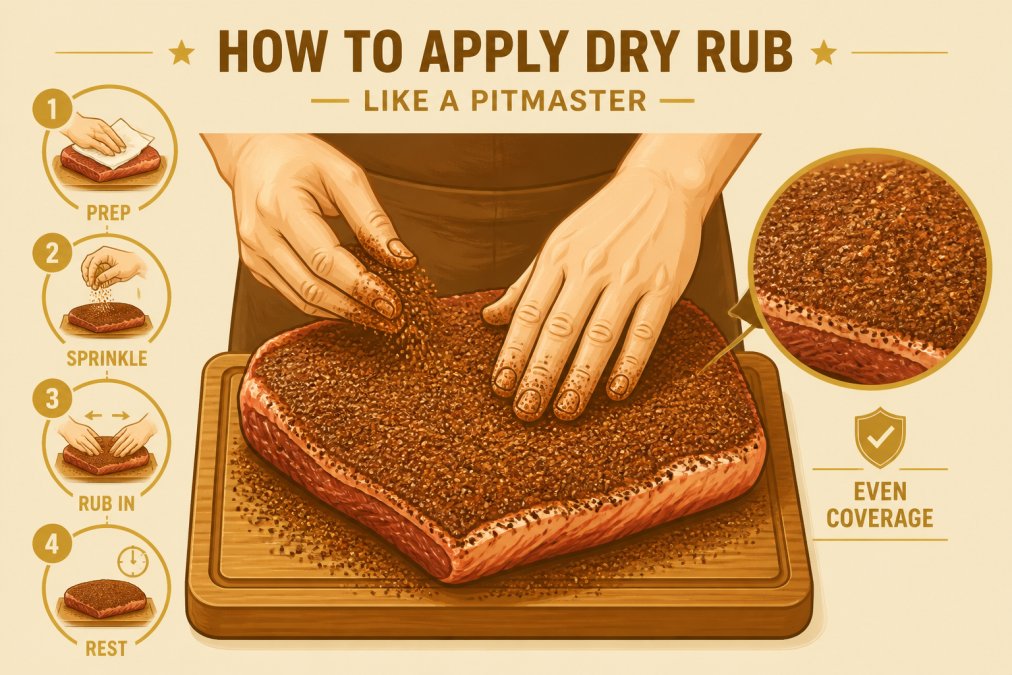
Timing is critical. For thin cuts like steaks or chicken breasts, apply the rub 15-30 minutes before grilling. For thick cuts like briskets or pork shoulders, apply 8-12 hours ahead, or even the night before. Extended time allows salt to penetrate deeper into the meat, improving flavor throughout.
Apply rub to room-temperature meat whenever possible. Cold meat has condensation that interferes with adhesion. Pull your meat out 30-45 minutes before seasoning.
How Long to Leave Rub on Brisket and Other Cuts
Timing dramatically affects how much the rub's flavors penetrate the meat and how pronounced the bark becomes.
For brisket and other large, thick cuts, apply the rub 12-24 hours before grilling. This extended window allows salt to migrate deeper into muscle tissue through osmosis. The salt draws moisture to the surface, which reabsorbs back into the meat along with the salt, seasoning it throughout rather than just on the exterior.
For steaks and other quick-cooking cuts (under 30 minutes total cook time), 15-45 minutes is optimal. This gives enough time for the rub to adhere and begin forming a surface crust without allowing salt to draw excessive moisture that would prevent browning.
For chicken, 30-90 minutes is the sweet spot. For whole chickens or large pork shoulders, you can safely go 12-24 hours like brisket. The key variable is meat thickness, thicker cuts benefit from longer resting, thinner cuts don't.
Even 15 minutes is better than applying rub immediately before cooking.
Best Spice Rubs for Roasted Vegetables
Vegetables deserve the same seasoning attention as meat. A quality dry rub transforms roasted vegetables from side dish to centerpiece.
Vegetable rubs need more aromatic intensity than meat rubs because vegetables lack the fat and protein that carry savory flavors. Paprika-based rubs work exceptionally well because paprika adds both color and sweetness without overwhelming delicate flavors. Dam Spice Company's New Mexico-inspired blends shine on roasted vegetables because the balance of smoky, savory, and spicy notes complements the natural sweetness of caramelizing vegetables.
For roasted vegetables, apply the rub after tossing vegetables in a light coating of olive oil. The oil helps the spices adhere and distributes them evenly. Use about 1 teaspoon of rub per cup of vegetables. Bell peppers, zucchini, and summer squash pair beautifully with savory-dominant rubs. Root vegetables like carrots and parsnips work best with rubs that include some sweetness.
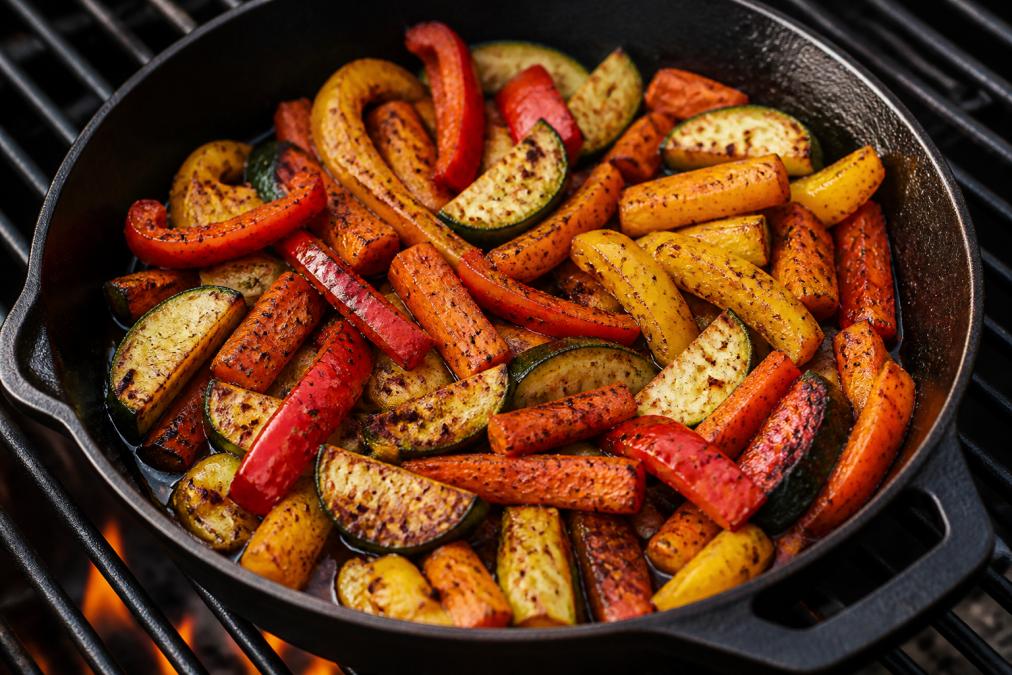
Apply vegetable rubs immediately before roasting. Unlike meat, vegetables don't benefit from extended resting. Roast at 425-450°F for 20-30 minutes, stirring halfway through, until vegetables are tender and edges are slightly charred.
Store-Bought vs. Homemade Rubs: Which Is Right for You
Store-bought rubs win on convenience, consistency, and time. A quality commercial rub like Meat Church The Gospel delivers reliable results every time because the manufacturer controls ingredient ratios precisely. For beginners, store-bought rubs eliminate variables that could sabotage your first attempts. They also offer superior shelf stability, a sealed container stays fresh for years, while homemade rubs lose potency within weeks.
Homemade rubs win on customization and cost-per-use if you grill frequently. If you cook three times a week, making your own rubs from bulk spices becomes economical. You can adjust heat levels, sweetness, and flavor profiles to match specific proteins or regional styles.
For most beginners: start with store-bought. Use Meat Church The Gospel or Dam Spice Company for your first 10 grilling sessions. Once you understand how different rubs perform on different proteins, you'll know whether customizing makes sense.
If you decide to make homemade rubs, start simple. A basic Memphis-style blend is paprika, brown sugar, black pepper, garlic powder, onion powder, salt, and cayenne mixed in roughly equal parts (with less cayenne).
Common Beginner Mistakes with Grill Rubs
Applying rub to wet meat. Moisture prevents adhesion and creates steam during initial heating, which prevents bark formation. Always pat meat dry before seasoning.
Using too little rub. Beginners often apply rub timidly, creating a light dusting rather than a proper coating. The goal is visible coverage where you can't see bare meat.
Applying rub immediately before cooking. Salt applied just minutes before grilling draws moisture to the surface, creating a wet layer that prevents browning. Apply rub at least 15 minutes ahead, ideally longer for thick cuts.
Choosing rubs based on color alone. A dark rub doesn't automatically mean bold flavor. Read the ingredient list and understand the flavor profile before buying.
Not adjusting application for cut thickness. A thin steak needs less rub than a thick brisket. Applying a brisket-sized amount to a steak results in oversalted meat.
Storing rubs improperly. Spices lose potency when exposed to light, heat, and humidity. Store rubs in airtight containers away from the stove in a cool, dark cabinet.
Not tasting before committing. If you're trying a new rub for the first time, use it on a small cut first. Grill a chicken breast or a couple of steaks before committing to a full brisket.
Frequently Asked Questions
What is the best all-purpose grill rub for beginners?
An all-purpose grill rub should balance salt, sugar, and spices to work on beef, pork, and chicken without overpowering any single flavor. Look for rubs featuring paprika, garlic, and black pepper as a foundation. Meat Church's Gospel or Killer Hogs' A.P. Rub are reliable choices. The best rub for you depends on whether you prefer a sweeter profile or more savory notes, so consider starting with a versatile option that lets the meat's natural flavor shine through.
How long should you let a dry rub sit on meat before grilling?
For most cuts, apply your dry rub 30 minutes to 2 hours before grilling. This allows the salt and spices to penetrate the surface and form a flavorful crust. For thicker cuts like brisket, you can apply rub the night before and refrigerate. The longer the rub sits, the deeper the flavor develops. However, don't apply rub more than 12-24 hours ahead, as excess salt can draw out moisture and dry out the meat.
Are store-bought rubs really better than making your own?
Store-bought rubs offer convenience and consistent flavor, making them ideal for beginners who want reliable results without mixing ingredients. All-natural, additive-free options deliver authentic taste without MSG or preservatives. Homemade rubs give you complete control over salt levels and ingredient freshness, but require more effort and knowledge of spice ratios. For beginners, starting with quality store-bought rubs helps you learn flavor profiles before experimenting with custom blends.
What makes a grill rub gluten-free and MSG-free?
Gluten-free rubs avoid wheat-based additives and thickeners, relying instead on pure spices, salt, and sugar. MSG-free rubs skip monosodium glutamate, a flavor enhancer some consumers prefer to avoid. Check ingredient labels for these certifications. Many quality rubs like Hardcore Carnivore Black and Bad Byron's Butt Rub explicitly state they're gluten-free and MSG-free, making them safe for those with dietary restrictions or sensitivities.
This article was written using GrandRanker