

How to Identify MSG in Seasonings: A Practical Guide
Table of Contents
- What You'll Need: Your Ingredient Detective Kit
- Understanding Monosodium Glutamate and Why It's Hidden in Seasonings
- Common Names for MSG on Labels You Need to Know
- FDA Labeling Requirements for MSG and What They Actually Mean
- Is Yeast Extract the Same as MSG? Natural vs. Added Glutamates
- Step-by-Step: Reading Your Spice Blend Labels Like a Pro
- Identifying MSG in Restaurant Seasonings and Blends
- Common Mistakes to Avoid When Checking for MSG
Last Updated: August 16, 2026
What You'll Need: Your Ingredient Detective Kit
Gather a few simple tools: reading glasses or your phone's magnifier app for small fonts, and a notebook or phone note to track brands using MSG or its hidden cousins. A basic understanding of what you're looking for matters more than any gadget. This guide walks you through exactly how to identify MSG in seasonings so you can make informed choices in your kitchen and when dining out.
Understanding Monosodium Glutamate and Why It's Hidden in Seasonings
Monosodium glutamate is the sodium salt of glutamic acid, an amino acid that occurs naturally in many foods. The food industry uses it as a flavor enhancer because it triggers umami, that savory, mouth-filling sensation that makes food feel more satisfying. Manufacturers add MSG to seasoning blends because it works: a tiny amount amplifies savory notes in meat rubs, taco seasonings, and bouillon-based blends, allowing them to use fewer expensive ingredients while delivering bold flavor.
Glutamic acid itself is completely natural, it's in aged cheeses, tomato paste, mushrooms, and fermented foods. The difference between natural glutamates and added MSG comes down to processing and concentration. When glutamic acid is isolated, concentrated, and added as monosodium glutamate, you're getting a much higher dose than you'd find in whole foods.
MSG is made through fermentation, usually from molasses, cassava, or sugarcane, rather than direct chemical synthesis. That fermentation process is the same one used to make soy sauce, miso, and other umami-rich condiments. Yet MSG gets singled out while those products don't, which is why understanding the actual ingredient list becomes so important when shopping for seasonings.
Common Names for MSG on Labels You Need to Know
The FDA requires that monosodium glutamate be labeled as "MSG" when added directly to a product. But the same glutamic acid compound hides under multiple names depending on how it's processed or combined with other ingredients.
Direct MSG: Listed as "monosodium glutamate" or "MSG" on the ingredient list.
Hydrolyzed vegetable protein (HVP): Plant protein broken down through acid hydrolysis, creating free glutamic acid. It functions identically to MSG in terms of umami impact.
Hydrolyzed plant protein (HPP): Similar to HVP but from any plant source. Both contain significant amounts of free glutamic acid.
Autolyzed yeast: Yeast cells that have broken down their own proteins, releasing glutamic acid. Common in savory seasonings and broth powders.
Yeast extract: A concentrated form of yeast containing high levels of glutamic acid. While it occurs naturally in fermented products, the concentrated version used in seasonings delivers MSG-equivalent amounts of free glutamate.
Sodium caseinate and calcium caseinate: Milk proteins processed to extract glutamic acid. These appear in some blended seasonings, particularly those marketed as "natural."
Monopotassium glutamate: The potassium salt of glutamic acid instead of the sodium version. Less common than MSG but serves the same purpose.
Natural flavors: This catch-all term can legally include glutamic acid derived from fermentation without being named directly.
FDA Labeling Requirements for MSG and What They Actually Mean
The FDA requires that monosodium glutamate be declared by its common name when added to food. However, when glutamic acid is present as part of another ingredient, such as in hydrolyzed vegetable protein, yeast extract, or natural flavors, the FDA does not require that ingredient to disclose the glutamic acid content separately. This is why you can buy a seasoning blend containing substantial amounts of free glutamic acid without ever seeing "MSG" on the label.
The FDA's position is that glutamic acid from fermented or hydrolyzed sources is functionally equivalent to synthesized monosodium glutamate in how your body processes it. Both deliver the same umami flavor and the same glutamic acid to your system. But from a labeling perspective, they're treated differently. This regulatory distinction is precisely why reading ingredient lists thoroughly is essential, you need to recognize the hidden names, not just look for "MSG."
Some manufacturers voluntarily label products as "MSG-free" or "no added MSG," which can be helpful. However, these claims don't necessarily mean the product contains zero glutamic acid. It means monosodium glutamate was not added as a direct ingredient. The product might still contain hydrolyzed vegetable protein, yeast extract, or natural flavors that deliver glutamic acid in equivalent amounts.
Is Yeast Extract the Same as MSG? Natural vs. Added Glutamates
Yeast extract and MSG are chemically similar in that both contain free glutamic acid, but they're not identical compounds, and the distinction matters if you're sensitive to MSG or trying to avoid it.
Yeast extract is made by allowing yeast cells to break down their own proteins through autolysis. The result is a concentrated paste or powder rich in B vitamins, amino acids, and glutamic acid. When yeast extract appears as a minor ingredient in small quantities, it's functionally similar to the glutamic acid you'd get from eating aged cheddar or tomato paste. The problem arises when yeast extract is used in concentrated form in seasoning blends, a spice blend might contain 5-10% yeast extract by weight, delivering a significant glutamic acid dose comparable to added monosodium glutamate.
Monosodium glutamate is glutamic acid that's been isolated, concentrated, and combined with sodium. It's typically produced through fermentation of molasses or sugarcane. The key difference is that MSG is a pure compound, whereas yeast extract is a complex mixture of proteins, vitamins, and other compounds alongside glutamic acid.
From a sensitivity perspective, some people report reacting to MSG but not to yeast extract, while others experience reactions to both. The science suggests that the glutamic acid content matters more than the source, but individual responses vary. Many consumers believe "natural" ingredients like yeast extract are automatically safer than "synthetic" monosodium glutamate. This assumption isn't supported by the chemistry. A high-concentration yeast extract delivers the same umami impact and the same amount of free glutamic acid as MSG. Dam Spice Company's all-natural seasonings avoid both MSG and yeast extract, focusing instead on delivering bold flavor through authentic spice blends without added glutamates.
Step-by-Step: Reading Your Spice Blend Labels Like a Pro
Learning to identify MSG in seasonings comes down to a systematic approach to label reading. This process takes 30 seconds once you know what to look for.
Step 1: Locate the Ingredient List
Every packaged seasoning must display an ingredient list, usually on the back or side of the container, ordered by weight from highest to lowest. Don't get distracted by marketing claims on the front like "all-natural" or "no MSG added." Read the entire ingredient list from top to bottom, taking your time with unfamiliar ingredient names.
Step 2: Scan for Direct MSG Mentions
Look for these exact terms: "monosodium glutamate," "MSG," "monopotassium glutamate," or "monoammonium glutamate." If any appear, the seasoning contains added monosodium glutamate. Direct MSG mentions are increasingly rare in premium or health-focused seasoning brands, as many manufacturers have moved to hydrolyzed proteins or yeast extract instead.
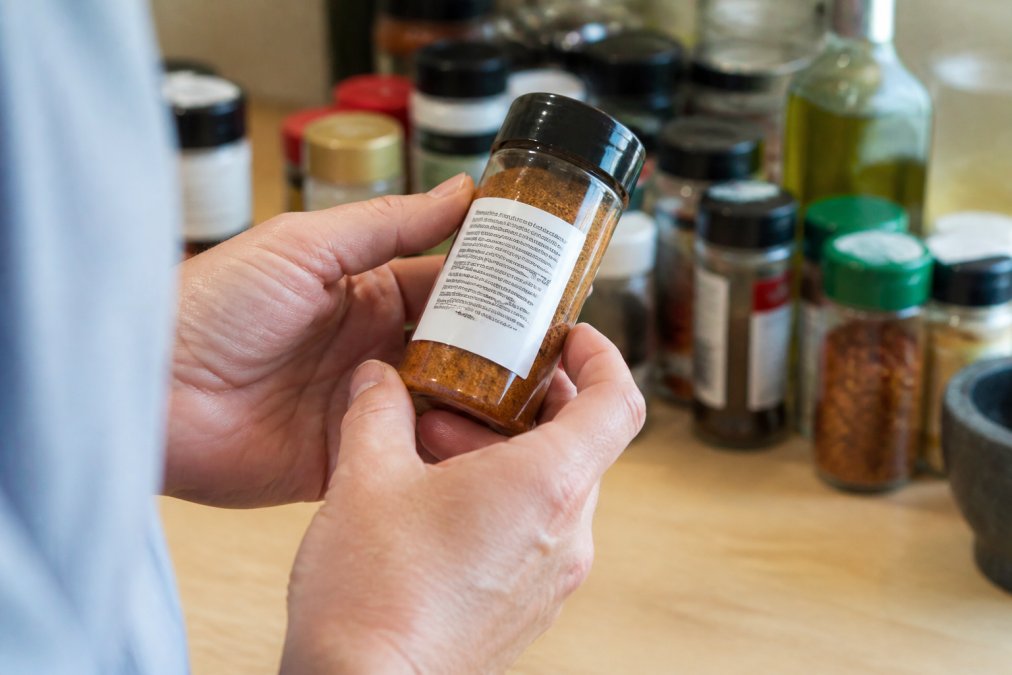
Step 3: Check for Hidden Glutamate Sources
Scan for these aliases in the first five ingredients:
- Hydrolyzed vegetable protein (HVP)
- Hydrolyzed plant protein (HPP)
- Autolyzed yeast
- Yeast extract
- Sodium caseinate
- Calcium caseinate
- Natural flavors
If any appear early in the ingredient list, the seasoning contains a significant amount of free glutamic acid. Pay special attention to "natural flavors", if it appears early and you want to avoid glutamic acid entirely, contact the manufacturer for clarification.
Step 4: Verify Claims on the Front Label
Many seasonings carry claims like "MSG-free," "no added MSG," or "all-natural." "No added MSG" means the manufacturer didn't add monosodium glutamate directly, but the product might still contain hydrolyzed vegetable protein, yeast extract, or other glutamic acid sources. "All-natural" is a marketing term with no strict FDA definition. Always verify by reading the full ingredient list.
Identifying MSG in Restaurant Seasonings and Blends
Restaurants present a different challenge when trying to identify MSG in seasonings. Ask your server directly: "Does this dish contain MSG or MSG-based seasonings?" Many restaurants now have this information in their kitchen system. If uncertain, ask to speak with the chef or kitchen manager.
Certain cuisines use MSG more prevalently. Asian restaurants, particularly Chinese, Vietnamese, and Thai establishments, traditionally use monosodium glutamate as a standard seasoning. Mexican restaurants typically use MSG less frequently, though some use it in certain spice blends. American barbecue joints sometimes include MSG in dry rubs, though many premium operations avoid it.
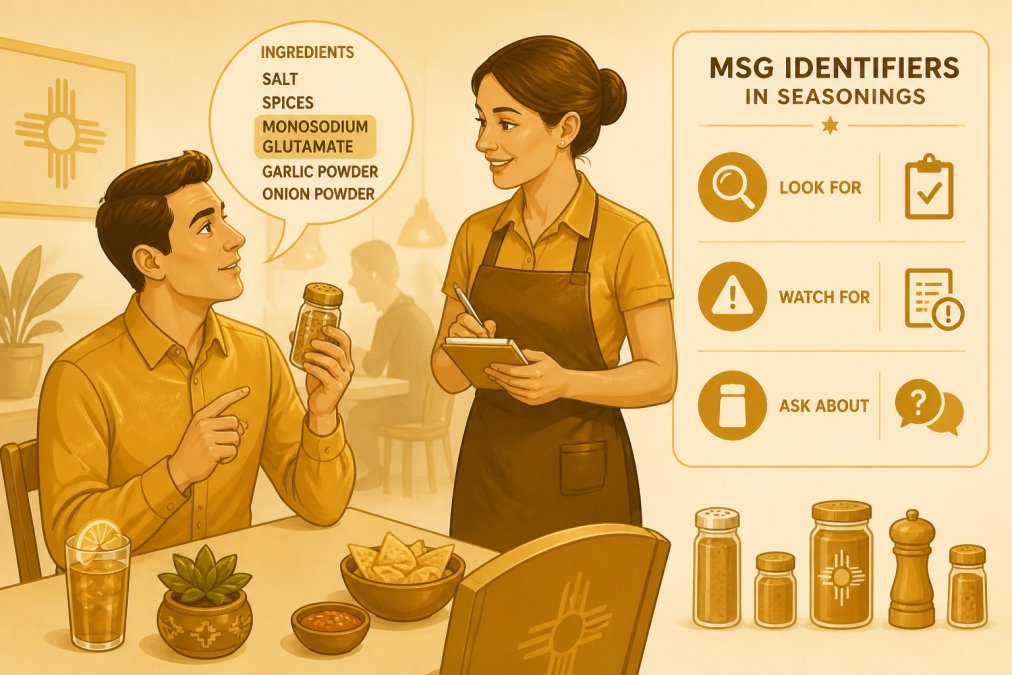
Ask about specific seasonings: "Is the dry rub on this brisket a house blend, and does it contain MSG?" Restaurants that make their own spice blends can usually tell you the contents. If you're a regular, consider asking management about your dietary needs, many restaurants are willing to prepare dishes without MSG with advance notice.
Don't rely on menu descriptions alone. "All-natural" or "house-made" seasoning doesn't guarantee MSG-free. The only way to know is to ask.
Common Mistakes to Avoid When Checking for MSG
Mistake 1: Trusting marketing claims over ingredient lists. Front-label claims sound reassuring but don't tell the whole story. Always read the full ingredient list.
Mistake 2: Assuming all monosodium glutamate is listed as "MSG." Some manufacturers use the full chemical name or variations like "monopotassium glutamate."
Mistake 3: Ignoring "natural flavors." This catch-all category can include glutamic acid derived from fermentation. If it appears early in the ingredient list, investigate further.
Mistake 4: Assuming yeast extract is always a small ingredient. Check its position in the ingredient list; if it's in the top five, the blend contains a substantial amount.
Mistake 5: Not asking follow-up questions at restaurants. When a server says "I don't know," ask if they can check with the kitchen or provide ingredient information.
Mistake 6: Believing all glutamic acid sources are identical. Some people tolerate one but not the other. Test your personal response separately.
Mistake 7: Overlooking "hydrolyzed" ingredients. Hydrolyzed vegetable protein, hydrolyzed plant protein, and hydrolyzed wheat protein all contain significant amounts of free glutamic acid and are among the most common MSG substitutes.
Identifying MSG in seasonings doesn't require special training, just systematic label reading and knowledge of what names glutamic acid hides behind. Start by learning the common aliases: hydrolyzed vegetable protein, yeast extract, autolyzed yeast, and natural flavors. Check ingredient lists in order, scan for these names in the first five ingredients, and ask direct questions at restaurants. With this approach, you'll know exactly what you're buying and can make choices that align with your dietary preferences. Dam Spice Company's all-natural seasonings are crafted without MSG, hydrolyzed proteins, or yeast extract, delivering bold Southwest flavor through authentic spices alone, so you can cook with confidence knowing exactly what's in every shake.
Frequently Asked Questions
What does MSG look like on a label?
Monosodium glutamate appears on ingredient lists as either 'MSG' or 'monosodium glutamate.' However, it often hides under other names like yeast extract, hydrolyzed vegetable protein, natural flavors, or autolyzed yeast. The FDA requires manufacturers to list MSG by name when added directly, but many glutamate sources don't need the MSG label. Check the full ingredient list, not just the front of the package.
Does the FDA require MSG to be listed on seasoning labels?
Yes, the FDA requires that monosodium glutamate be identified as 'MSG' or 'monosodium glutamate' on ingredient labels when added directly to food. However, this requirement has a major loophole: glutamates from hydrolyzed proteins, yeast extract, and similar sources don't need to be labeled as MSG, even though they contain free glutamic acid. Always read the full ingredient statement, not just the front label claims.
Is yeast extract the same as MSG?
Yeast extract and MSG are not identical, but both contain free glutamic acid that creates the savory umami taste. Yeast extract is made through fermentation and contains glutamates naturally, while monosodium glutamate is a refined sodium salt of glutamic acid. From a flavor perspective, both deliver similar umami intensity. If you're avoiding glutamates entirely, you need to watch for both yeast extract and MSG on labels.
How can I tell if a seasoning blend contains hidden MSG?
Look for these hidden glutamate sources in the ingredient list: hydrolyzed vegetable protein, hydrolyzed soy protein, yeast extract, autolyzed yeast, natural flavors, soy protein isolate, calcium caseinate, and sodium caseinate. These ingredients don't say 'MSG' but contain significant amounts of free glutamic acid. If a seasoning lists multiple of these ingredients, it likely has substantial umami intensity from added glutamates.
This article was written using GrandRanker