

How to Season Vegetables for Dinner: A Step-by-Step Guide
Table of Contents
- Essential Pantry Staples for Seasoning Vegetables
- How to Season Vegetables Before Roasting
- Best Spice Rubs for Roasted Vegetables
- Simple Sautéing Techniques for Seasoned Vegetables
- How Long to Roast Vegetables and When to Season
- Southwest Spice Blend for Vegetables
- The Science of Flavor Layering and Acid Balance
- Common Mistakes When Seasoning Vegetables
Last Updated: August 27, 2026
Essential Pantry Staples for Seasoning Vegetables
The foundation of great vegetable seasoning starts with having the right basics on hand. When you know how to season vegetables, you're not just following a recipe, you're building layers of flavor that transform ordinary produce into something memorable. The most important staples fall into a few key categories: salt, pepper, garlic, quality fats, and dried herbs.
Kosher salt is your workhorse. Unlike table salt, it has larger crystals that dissolve more evenly and give you better control over seasoning intensity. Freshly cracked black pepper matters far more than pre-ground versions, which lose their volatile oils over time. Garlic powder provides consistent, reliable flavor without the texture of fresh garlic, useful when you want seasoning that integrates seamlessly into roasted or sautéed vegetables.
Extra virgin olive oil is non-negotiable. It carries fat-soluble flavors and creates the texture that makes vegetables appealing. Beyond olive oil, keep butter on hand for sautéing, it adds richness and helps spices adhere to vegetables. Dried herbs like thyme, rosemary, and oregano provide concentrated flavor that works beautifully on roasted vegetables, especially when combined with heat.
At Dam Spice Company, we've built our entire approach around the idea that quality spice blends eliminate guesswork. Our SPG seasoning, a balanced blend of sea salt, cracked black pepper, and garlic, covers most situations. It's the kind of foundational seasoning that works on everything from roasted broccoli to sautéed zucchini, giving you bold, savory flavor without complication.

How to Season Vegetables Before Roasting
The best time to season vegetables before roasting is right after you've cut them and tossed them with oil. This timing allows salt to draw out moisture, which concentrates flavor and helps achieve caramelization in the oven. When you season vegetables before roasting, you're not just adding taste, you're setting up the chemistry that creates crispy edges and tender interiors.
Start by cutting your vegetables into uniform pieces. Uneven sizes mean some pieces finish cooking while others are still raw. Toss everything with extra virgin olive oil first, about 2-3 tablespoons per pound of vegetables. This step is crucial. The oil creates a barrier that helps seasonings stick and promotes browning through the Maillard reaction, which develops complex, savory flavors.
Season generously right after oiling. Don't be timid. Vegetables are mostly water, so they need more seasoning than you might expect. Add kosher salt, freshly cracked black pepper, and any dried herbs or spice blends you're using. Toss everything together so the seasoning coats evenly.
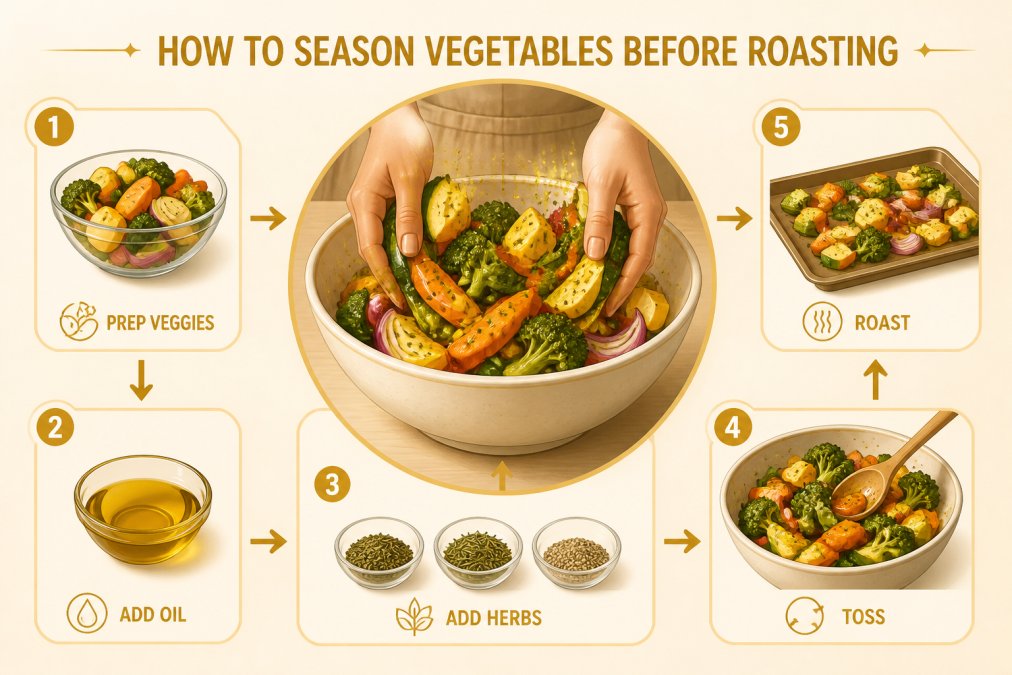
Here's where many home cooks make a mistake: they add all their seasoning at once. Better approach? Layer your seasonings. Add about 70% of your salt and spices before roasting, then finish with fresh herbs or additional seasoning after the vegetables come out of the oven. This creates depth and prevents seasoning from burning.
Spread your seasoned vegetables on a sheet pan in a single layer. Crowding the pan traps steam and prevents proper browning. If you're working with a large batch, use two pans. Room to breathe makes the difference between limp vegetables and caramelized ones.
Best Spice Rubs for Roasted Vegetables
The best spice rubs for roasted vegetables balance heat, smokiness, and savory depth. A good rub doesn't overpower vegetables, it enhances their natural sweetness while adding complexity. The key is understanding which flavor profiles work with specific vegetables.
For mild vegetables like zucchini, summer squash, and green beans, lighter rubs work best. Combine dried oregano, garlic powder, and a touch of paprika. This creates a Mediterranean profile that lets the vegetable's natural flavor come through. Add a pinch of cumin for earthiness without overwhelming heat.
Heartier vegetables like Brussels sprouts, cauliflower, and root vegetables can handle bolder rubs. A classic combination mixes smoked paprika, garlic powder, onion powder, cumin, and a small amount of chili powder. This creates layers of flavor, the paprika brings smokiness, the spices add savory depth, and the chili powder adds gentle heat without burning in the oven.
The ratio matters. For every tablespoon of salt in your rub, use about half a teaspoon each of garlic powder, onion powder, and paprika. Adjust other spices to taste. This creates balance rather than one flavor dominating.
Dam Spice Company's approach to spice blends focuses on this layering principle. Our blends combine complementary spices so you get complexity without having to measure five different jars. When you're using a pre-made blend, you're getting a tested ratio that works consistently.
Simple Sautéing Techniques for Seasoned Vegetables
Sautéing differs from roasting in one critical way: you control the heat moment-to-moment, which means timing and technique matter more. When you season vegetables for sautéing, you're working with lower heat and shorter cooking times, so seasoning needs to be more pronounced upfront.
Heat your pan over medium-high heat and add fat, either extra virgin olive oil or butter. Once the fat shimmers, add your vegetables. Don't move them immediately. Let them sit for 30-45 seconds. This creates contact with the hot surface, which begins caramelization and helps seasonings adhere.
Toss or stir your vegetables, then season immediately. Use kosher salt and freshly cracked black pepper as your base. Add dried herbs or spice blends right into the hot pan, the heat releases their essential oils, intensifying flavor. This is where sautéing has an advantage over roasting: you get more aromatic impact from dried herbs because they're exposed to direct heat.
Keep the heat at medium-high. Too low and vegetables steam instead of sauté. Too high and they burn before cooking through. The goal is golden-brown edges and tender interiors. This usually takes 8-12 minutes depending on vegetable type and size.
As vegetables finish cooking, taste and adjust seasoning. Sautéed vegetables often benefit from finishing with a squeeze of fresh acid, lemon juice or a splash of balsamic vinegar. This brightness balances the savory depth of the spices and prevents the dish from feeling heavy.
How Long to Roast Vegetables and When to Season
Roasting time depends on vegetable type and size, but the general rule is 25-35 minutes at 425°F for most common vegetables cut into bite-sized pieces (usda.gov). Denser vegetables like root vegetables and cauliflower need the full 35 minutes. Softer vegetables like zucchini and tomatoes finish in 20-25 minutes.
When you season vegetables before roasting matters as much as how much seasoning you use. Season right before the vegetables go into the oven, within 5 minutes of roasting. This prevents salt from drawing out too much moisture, which can make vegetables soggy. The timing is tight enough that moisture concentrates and aids caramelization, but loose enough that seasoning doesn't overwhelm the natural vegetable flavor.
Check vegetables halfway through roasting. If they're browning too fast, lower the temperature 25 degrees. If they're not browning enough, increase the temperature 25 degrees. Stir them once, which redistributes seasonings and promotes even cooking. This moment is also when you can add fresh herbs if you want them to stay vibrant rather than dry out completely.
Roasted vegetables are done when they have deep golden-brown edges and the insides are tender when pierced with a fork. The browning is where seasoning shines, the Maillard reaction creates savory complexity that wouldn't exist without proper seasoning and heat working together.
Southwest Spice Blend for Vegetables
A Southwest spice blend brings warmth, smokiness, and depth to roasted or sautéed vegetables. This flavor profile works especially well with vegetables that have natural sweetness: bell peppers, sweet potatoes, corn, and squash. The blend balances heat and savory notes without overwhelming the vegetables.
The foundation of a Southwest blend starts with cumin, which provides earthy depth. Add smoked paprika for smokiness, this is what gives the blend its characteristic Southwest character. Include garlic powder and onion powder for savory background. Then add chili powder for gentle heat and complexity. A pinch of oregano rounds out the profile.
The ratio for a basic Southwest spice blend: 2 tablespoons cumin, 1 tablespoon smoked paprika, 1 tablespoon garlic powder, 1 tablespoon onion powder, 2 teaspoons chili powder, 1 teaspoon dried oregano, and 1 teaspoon kosher salt. This makes enough for about 2 pounds of vegetables.
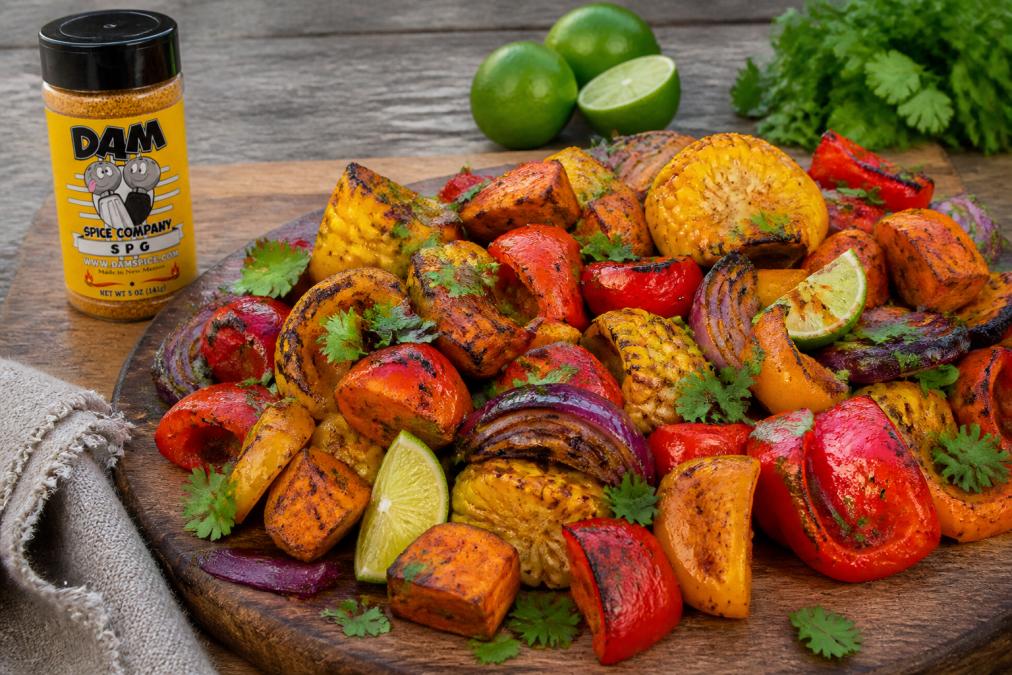
To use this blend effectively, toss vegetables with extra virgin olive oil, then coat generously with the spice mixture. Roast at 425°F for 25-30 minutes, stirring halfway through. The longer roasting time allows the spices to develop fully without burning.
Many home cooks make the mistake of using too little seasoning, thinking spice blends are intense. Actually, roasting mellows spices slightly, so generous seasoning creates the right balance. Don't hold back.
Dam Spice Company crafted our approach to Southwest seasonings with this principle in mind. Our blends combine these complementary spices in tested ratios, so you get consistent, bold flavor without measuring. For vegetables, this means you can achieve restaurant-quality results at home with minimal effort.
The Science of Flavor Layering and Acid Balance
Flavor layering is the practice of building taste complexity by adding seasonings at different stages of cooking rather than all at once. When you season vegetables, you're not just adding salt and spices, you're creating a multi-dimensional taste experience. This is why experienced cooks always taste and adjust seasoning throughout cooking rather than doing it once upfront.
Start with your base seasoning: salt, pepper, and garlic. These go in early and form the foundation. As vegetables cook, add dried herbs and spices. In the final minutes, add fresh herbs or acid. Each layer serves a purpose. The base creates savory depth. Dried herbs add complexity. Fresh herbs and acid add brightness and prevent the dish from feeling flat or heavy.
Acid balance is equally important. Vegetables have natural sweetness, and salt amplifies it. Without acid, seasoned vegetables can taste one-dimensional, all savory and sweet with no contrast. A squeeze of lemon juice, a splash of balsamic vinegar, or even a small amount of white wine vinegar provides brightness that makes all the other flavors pop.
The ratio is simple: for every 2 pounds of vegetables, add about 1-2 tablespoons of acid. Start with 1 tablespoon and taste. You want enough acid to brighten the dish without making it sour. This is where many home cooks struggle, they add too much acid trying to achieve brightness, when actually a small amount is all that's needed.
Common Mistakes When Seasoning Vegetables
The most common mistake is under-seasoning. Vegetables are mostly water, which dilutes flavor. What feels like enough seasoning usually isn't. Season generously, then taste and adjust. You can always add more, but you can't remove it.
The second mistake is adding all seasoning at once. This creates an unbalanced flavor profile where one spice dominates. Better approach: layer seasonings throughout cooking. Add salt and base spices early, dried herbs midway through, fresh herbs and acid at the end. This creates depth that single-stage seasoning can't achieve.
A third mistake is using stale spices. Ground spices lose potency within 6 months (peer-reviewed research). Dried herbs lose potency within a year. If your spice cabinet hasn't been updated in years, your seasonings probably taste flat. Fresh spices make a dramatic difference. This is where having a reliable source matters, Dam Spice Company's all-natural spice blends maintain potency because they're made fresh and don't sit in warehouses for years.
Many home cooks also make the mistake of not tasting as they cook. Seasoning needs adjust based on vegetable type, moisture content, and cooking method. Roasted vegetables need more aggressive seasoning than sautéed ones. Watery vegetables need more salt than dense ones. Tasting throughout cooking lets you make these adjustments.
Finally, don't forget that how you season vegetables before roasting or sautéing sets the stage for everything that follows. Proper seasoning at the beginning means you won't need to rescue the dish with heavy-handed adjustments at the end. This is why technique matters, it's not just about following steps, it's about understanding why each step exists.
Seasoning vegetables well transforms everyday cooking. The difference between a forgettable side dish and one people actually look forward to comes down to technique, timing, and quality ingredients. Start with the fundamentals: kosher salt, freshly cracked pepper, quality oil, and dried herbs. Layer your seasonings throughout cooking. Finish with acid and fresh herbs. When you're ready to move beyond basic seasoning, explore how professional chefs approach vegetable seasoning to deepen your understanding.
Dam Spice Company makes this process easier by providing all-natural, additive-free spice blends that handle the complexity for you. Our SPG seasoning covers everyday needs, while our Southwest spice blends bring bold, authentic flavor to vegetables that deserve more than salt and pepper. Start with quality seasonings, apply solid technique, and you'll find that seasoning vegetables becomes intuitive rather than intimidating. The result? Dinners that taste intentional, flavorful, and genuinely worth eating.
Frequently Asked Questions
Q: What are the best seasonings to use when you season vegetables for dinner?
A: Start with kosher salt and freshly cracked black pepper as your foundation. Build from there with garlic powder, dried herbs like thyme and rosemary, and a quality extra virgin olive oil. For depth, add umami boosters like parmesan cheese or a pinch of cumin. Dam Spice Company's SPG combines salt, pepper, and garlic in one blend, making it an ideal starting point for any vegetable dish.
Q: How do you season vegetables without making them soggy?
A: Apply dry seasonings and salt just before cooking, not hours ahead. If using fresh herbs, add them at the end. When roasting, toss vegetables with oil and seasonings, then spread in a single layer so they roast rather than steam. For sautéed vegetables, season after they've started to caramelize so the heat helps flavors bloom without drawing out excess moisture.
Q: What makes a Southwest spice blend different for seasoning vegetables?
A: Southwest blends emphasize smoky, earthy notes with chili powder, cumin, and paprika rather than traditional Italian herbs. They deliver the bold, savory flavor profile that works beautifully on roasted or sautéed vegetables. Dam Spice Company's blends bring authentic New Mexico flavors, including heat and complexity, that transform simple vegetables into a memorable side dish with minimal effort.
Q: When should you add spices when cooking vegetables, before or after heat?
A: Dry spices benefit from heat to release their essential oils and deepen flavor, so add them early in the cooking process. Fresh herbs should be added near the end to preserve their bright, delicate flavors. Acid like lemon juice or balsamic vinegar works best at the finish to brighten the dish. This layering approach ensures every element contributes its maximum impact.
This article was written using GrandRanker