

How to Use New Mexico Spices in Slow Cooker Recipes
Table of Contents
- Understanding New Mexico Spices and Slow Cooker Compatibility
- How to Bloom Spices for Slow Cooking
- Selecting and Preparing Dried Chili Peppers
- Step-by-Step: Building Flavor in Your Slow Cooker
- Best Slow Cooker Recipes with Green Chile
- Slow Cooker Spice Adjustment Guide
- Troubleshooting Common Texture and Flavor Issues
- Frequently Asked Questions
Last Updated: September 30, 2026
Understanding New Mexico Spices and Slow Cooker Compatibility
Learning how to use new mexico spices in slow cooker recipes brings bold, authentic Southwest flavor to your dishes. The key is understanding how dried chili peppers, cumin, oregano, and other aromatics perform in the low-and-slow cooking environment.
Slow cookers create extended flavor infusion over 6-10 hours, allowing spices to fully bloom and meld with meat, producing deeper, more complex taste profiles than stovetop cooking.
The challenge is balancing heat levels: slow cookers intensify flavors as moisture reduces, so spices that taste moderate at the start can become overpowering by hour eight.
Our all-natural, additive-free spices maintain their integrity through extended cooking without becoming bitter or harsh.
How to Bloom Spices for Slow Cooking
Blooming spices means briefly heating them to activate essential oils and unlock deeper flavor, a technique that works in slow cookers but differs from traditional pan-blooming.
The best approach is blooming before the slow cooker starts. Sear your meat in a cast iron skillet over medium-high heat. Once the meat develops a brown crust, add minced garlic, diced onion, and your dried chili peppers to the pan. Let them toast for 60-90 seconds. You'll smell the aromatics intensify. This is your signal the spices are blooming.
Blooming releases volatile compounds that would otherwise stay locked in dried peppers. Bloomed spices are already active and ready to infuse; unblocked spices need hours to reach the same intensity.
For dried chili peppers specifically, toast them whole if possible. Break them open just before adding to release seeds and inner membranes. These contain the most concentrated heat and flavor. If you're using chili powder or chile puree, add it during the searing step, it blooms faster than whole peppers.
Selecting and Preparing Dried Chili Peppers
New Mexico dried chili peppers come in several varieties, each with different heat levels and flavor profiles. Understanding these differences helps you choose the right pepper and evaluate quality.
New Mexico Red Chiles are the standard, harvested at full maturity and delivering moderate heat (1,000-2,000 SHU) with earthy, slightly sweet undertones. They work well for beef stews and posole. Look for deep burgundy color, flexible texture, fruity and slightly smoky smell. Avoid gray patches or mold.
Green Chiles (Hatch chiles when in season) are picked young and taste fresher than reds, with grassy notes. They pair well with chicken and pork and have sharper heat (500-2,500 SHU). They deteriorate faster in storage; use within 6 months. Substitute with red chile powder plus lime juice if unavailable.
Chimayó Chiles are heirloom varieties prized for complex flavor with hints of chocolate, smoke, and dried fruit (1,500-2,500 SHU). Worth the investment for special dishes. Substitute with red chile powder plus smoked paprika if unavailable.
Jalapeño Peppers dried add sharp heat (2,500-8,000 SHU). Use sparingly as an accent; a quarter teaspoon can shift an entire pot's heat profile. Shelf-stable for up to a year in airtight containers.
Evaluating Dried Chile Quality:
Storage and Shelf Life:
When preparing dried chiles for slow cooking, remove seeds and stems. Seeds contain concentrated capsaicin and can overwhelm a dish. Cut whole peppers open lengthwise, shake out seeds, and tear into pieces. Chili powder already has seeds removed, so add it directly during searing.
Conversion Guide for Slow Cooker Recipes:
| Chile Variety | Heat Level (SHU) | Best For | Flavor Profile | Shelf Life | Substitution |
|---|---|---|---|---|---|
| New Mexico Red | 1,000-2,000 | Beef, stews, posole | Earthy, slightly sweet | 12-18 months | Standard red chile powder |
| Green Chile | 500-2,500 | Chicken, pork, vegetables | Bright, fresh, grassy | 6 months | Red powder + lime juice |
| Chimayó | 1,500-2,500 | Complex dishes | Smoky, chocolatey, fruity | 12-18 months | Red powder + smoked paprika |
| Jalapeño | 2,500-8,000 | Accent only | Sharp, piercing heat | 12 months | Cayenne powder (use half amount) |
Dam Spice Company's Tres Amigos blend combines Chimayó, jalapeño, and green chile powder for balanced heat and complexity, mimicking hand-blended depth with consistent ratios.

Step-by-Step: Building Flavor in Your Slow Cooker
Searing Meat and Creating an Aromatic Base
Start with quality meat: beef chuck, pork shoulder, or chicken thighs. Pat meat dry with paper towels, moisture prevents browning.
Heat a cast iron skillet over medium-high heat until a drop of water sizzles. Add meat in a single layer without crowding. Don't move it for 3-4 minutes to develop a dark brown crust.
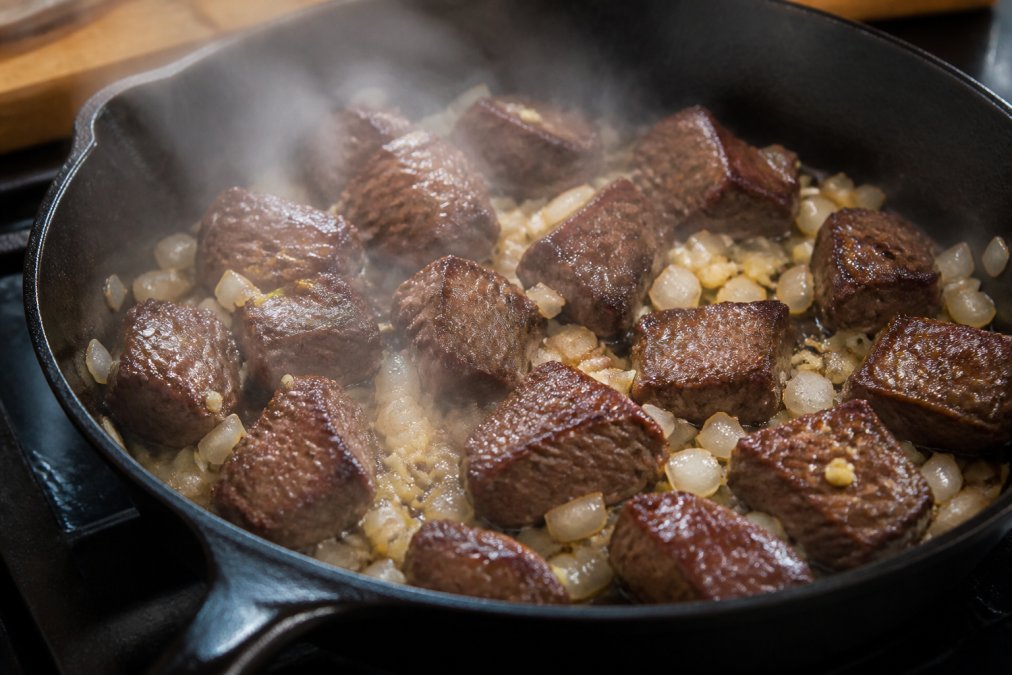
Once meat is seared, remove it to a plate. Reduce heat to medium. Add diced onion (one medium per 2-3 pounds of meat) and cook 2-3 minutes. Add minced garlic (3-4 cloves per 2 pounds) and cook until fragrant, about 60 seconds. This aromatic base is the foundation for all other flavors.
Layering Spices and Liquid
Understanding how to use new mexico spices in slow cooker recipes starts here: add dried chili peppers or powder and toast for 90 seconds. Return seared meat to the skillet. Add liquid (1 cup per 2 pounds of meat), cumin (1 teaspoon per 2 pounds), and oregano (½ teaspoon per 2 pounds). Stir and scrape the bottom of the pan to loosen browned bits.
Transfer everything to your slow cooker. Include all the liquid, meat, aromatics, and spices. Stir once to combine. Set the heat level based on your timeline.
Cooking Time and Temperature Settings
Low Setting: 8-10 hours. Ideal for full spice infusion and tender meat. High Setting: 4-5 hours. Faster but risks over-concentrating spices and drying meat. Most recipes benefit from low heat.
Best Slow Cooker Recipes with Green Chile
Green chile slow cooker recipes showcase bright, fresh character year-round using dried green chile powder. Green Chile Chicken: Layer seared chicken thighs with green chile powder, garlic, onion, cumin, and broth. Cook low 6-7 hours. Green Chile Pork Stew: Combine pork shoulder with tomatillos, green chiles, and cumin. Cook low 8 hours. Green Chile Beef: Pair green chile's bright notes with lean beef. Cook low 8-9 hours.
Dam Spice Company's Christmas blend combines red and green chile powder for recipes wanting complexity from both varieties.

Slow Cooker Spice Adjustment Guide
Taste at the halfway point to adjust if needed. Flat taste: Add cumin and oregano in quarter-teaspoon increments. Too mild: Add chili or jalapeño powder. Too intense: Add broth to dilute. Too thick: Add broth in half-cup increments. Too thin: Remove lid for final 30-45 minutes. Muddled flavors: Too many spices competing; reduce supporting spices and let chiles be the star. Keep notes to dial in your slow cooker's performance.
Troubleshooting Common Texture and Flavor Issues
Meat is tough or stringy. Cooking beyond 10 hours on low causes muscle fibers to contract and expel moisture. Fix now: Shred meat finely, return to liquid, and cook low 30 minutes. Prevent next time: Check meat at 6 hours; most recipes reach optimal tenderness at 7-8 hours on low, not 10.
Spices taste bitter or burnt. Spices scorch if liquid drops below meat level. Fix now: Add 1 cup broth and stir. Prevent next time: Check liquid at 4-hour mark; it should reach halfway up the meat. Add chili powder during searing so it blooms in oil rather than sitting dry.
Flavor tastes one-dimensional or flat. Single-chile recipes lack complexity. Fix now: Add lime juice for brightness or cumin for depth. Prevent next time: Mix red and green chiles or use Dam Spice Company's Tres Amigos. Don't skip blooming, it activates essential oils that would otherwise take hours to release.
Sauce separates or looks oily. Normal with fatty cuts, but excess fat mutes spice flavors. Fix now: Skim surface with a spoon before serving. Prevent next time: Trim excess fat caps before searing, but leave thin marbling.
Frequently Asked Questions
When should you add New Mexico spices to a slow cooker for maximum flavor?
Add whole dried chiles and spice blends at the start of cooking to allow flavors to infuse throughout the low-and-slow process. For spice blends like Dam Spice Company's Taco Seasoning or Tres Amigos, add them after searing aromatics and meat but before adding liquid. This timing ensures the spices bloom in the fat and heat, creating a deeper flavor profile. If using fresh spices or adjusting heat levels, add half at the beginning and reserve the rest to stir in during the last 30 minutes of cooking.
What are the best cuts of meat for slow-cooked New Mexico style recipes?
Chuck roast, brisket, pork shoulder, and beef short ribs are ideal for slow cookers because their high collagen content breaks down during low-and-slow cooking, creating tender, shredded meat. These cuts absorb New Mexico spice profiles beautifully. For chicken, use thighs rather than breasts, as they stay moist longer. Sear meat before adding it to the slow cooker to develop a flavorful crust that enhances the final dish's complexity.
How do you adjust spice intensity when slow cooking with New Mexico blends?
Start with half the recommended amount of spice blend, then taste after 4 hours of cooking. New Mexico spices intensify during the slow cooker process, so it's easier to add more than remove excess heat. For milder heat, use Dam Spice Company's Taco Seasoning (mild heat level). For bolder flavor, try Tres Amigos or Dos Rojos. Remember that acid (lime juice, vinegar) and salt can balance spice intensity, while dairy or starch can cool down heat if you overseasoned.
Can you use dried chiles in a slow cooker, or should they be rehydrated first?
Both methods work, but rehydrating dried chiles first (soaking in hot water for 15-20 minutes) gives you more control over texture and creates a smoother chile puree or paste you can blend into your cooking liquid. This approach is especially useful for whole New Mexico chiles. Alternatively, add whole dried chiles directly to the slow cooker at the start, they'll soften and release their flavor over 6-8 hours.