

Mountain Man Gourmet Alternatives: 5 Spice Blends to Try
Table of Contents
- Mountain Man Gourmet Alternatives: What You Need to Know
- All-Natural Gourmet Seasoning Brands Worth Trying
- New Mexico Style Spice Blends: What Sets Them Apart
- How to Choose the Right Spice Blend for Meat
- Dry Rubs vs. Seasoning Mixes: Understanding the Difference
- Making the Switch: Why Quality Matters
- Conclusion
Last Updated: August 17, 2026
Mountain Man Gourmet Alternatives: What You Need to Know
If you've been reaching for the same spice blend for years, you're missing out on flavors that can transform your cooking. The spice market now offers all-natural gourmet alternatives that deliver bold, authentic tastes without additives found in mass-market brands. This guide from Dam Spice Company breaks down the best mountain man gourmet alternatives available, so you can decide which blend deserves a spot in your kitchen.
Once you taste a hand-crafted spice blend made with real New Mexico chiles and no MSG, the difference becomes impossible to ignore. We've tested and analyzed the leading all-natural gourmet seasoning brands to show you exactly what separates the contenders. Whether you're grilling steaks, making tacos, or roasting vegetables, the right spice blend amplifies every ingredient instead of masking it.
All-Natural Gourmet Seasoning Brands Worth Trying
The market for hand-crafted spice blends has matured dramatically. You're no longer choosing between generic supermarket options and nothing, but among brands that obsess over ingredient sourcing, freshness, and authentic flavor profiles.
Dam Spice Company: Authentic New Mexico Flavor
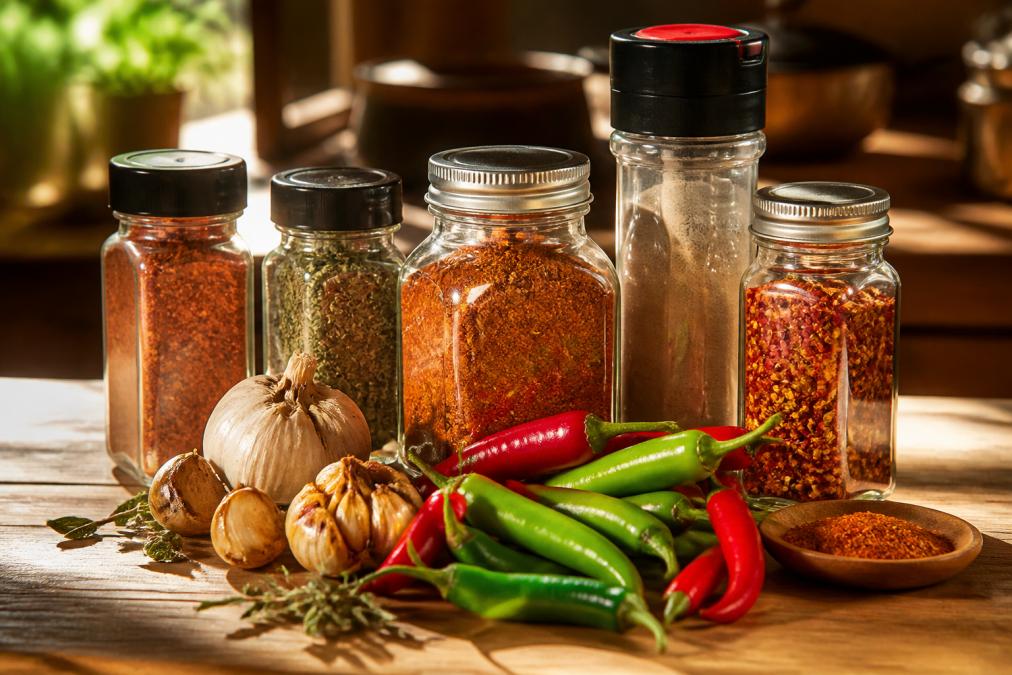
Dam Spice Company brings authentic, bold flavors of New Mexico directly to your kitchen with all-natural, additive-free spice blends crafted in the Land of Enchantment. Every blend uses real New Mexico chiles, not generic "chile powder" from unknown sources. You get no fillers, no MSG, no unnecessary additives, just chiles, garlic, and carefully selected complementary spices.
The practical difference shows immediately when you cook. A steak rubbed with Dam Spice develops a crust that tastes like it was made by someone who understands what smoke and heat should do. Ribs come out with depth instead of surface flavor. For barbecue enthusiasts and home cooks who want results without compromise, Dam Spice Company delivers authentic Southwest flavors that mass-market brands cannot match.
Spiceology: Chef-Crafted Blends and Rubs
Spiceology collaborates directly with renowned chefs to create innovative flavor combinations that go beyond traditional regional profiles. The brand's strength lies in its diversity, everything from bold barbecue rubs to international seasoning blends, all made with high-quality, fresh ingredients.
Pricing runs higher than basic spice brands, reflecting ingredient quality and development work. The brand offers bulk and wholesale options. If you prefer traditional regional flavors, Dam Spice Company's focused approach may serve you better. But if you enjoy culinary experimentation, Spiceology's creative blends open up possibilities.
Savory Spice: Small-Batch Handcrafted Seasoning
Savory Spice operates from Denver with over 400 spices, herbs, and handcrafted blends. Small-batch production ensures freshness that large manufacturers cannot maintain. Physical store locations let you smell and examine products before buying. They also offer "Try Me" sizes at lower price points, eliminating risk when trying something unfamiliar.
For home cooks building a comprehensive spice collection or finding hard-to-source ingredients, Savory Spice excels. The downside: pricing varies significantly, and some unique blends may only be available in specific locations.
New Mexico Style Spice Blends: What Sets Them Apart
New Mexico style spice blends represent a distinct culinary tradition fundamentally different from generic "Southwest" seasonings. New Mexico spices center on specific chile varieties grown in that region, primarily the Hatch chile and its dried variants. These chiles have a particular flavor profile: earthy, slightly fruity, with moderate heat (2,500-8,000 Scoville Heat Units) that doesn't overwhelm other ingredients.
The authentic approach combines these chiles with garlic, cumin, and oregano in proportions reflecting generations of regional cooking. You're getting a flavor combination designed specifically for how New Mexico cooks actually prepare food.
Identifying Authentic New Mexico Blends
When you buy a mountain man gourmet alternative claiming New Mexico authenticity, verification matters. Check the ingredient list in this order:
-
First ingredient must be chile. If you see "spices" listed vaguely or if chile isn't the first ingredient, you're not getting the real thing. Legitimate New Mexico blends list "New Mexico chile," "Hatch chile," or "dried red chile" as the primary component.
-
Look for transparency on chile source. Brands sourcing from New Mexico are more likely to use authentic varieties. Generic "chile powder" could come from anywhere and often contains added ingredients like salt, garlic powder, and anti-caking agents.
-
Check for additives. All-natural blends contain only chiles, salt, garlic, cumin, oregano, and possibly a small amount of other spices. If the label lists "spice blend," "natural flavors," or more than seven ingredients, it's been formulated for shelf stability rather than flavor authenticity.
Substitution Guide: When Hatch Chiles Aren't Available
If you can't find authentic New Mexico or Hatch chile blends, understanding flavor substitutions prevents defaulting to inferior alternatives.
| If You Want | And Hatch Isn't Available | Best Substitute | Flavor Adjustment |
|---|---|---|---|
| Earthy, fruity heat | Hatch chile blend | Ancho chile (dried poblano) | Slightly sweeter, less smoky; use 15% more volume |
| Smoky New Mexico character | New Mexico red chile | Chipotle powder (smoked jalapeño) | More smoke, higher heat; use 50% less volume |
| Balanced regional flavor | Authentic blend | Guajillo chile (dried mirasol) | Milder, more fruity; use same volume |
| Mild heat with depth | Hatch-based rub | Pasilla chile (dried chilaca) | Deeper, less fruity; use 20% more volume |
Chile powders made from a single, named chile variety will always outperform blends labeled only "chili powder" or "chile blend." Single-source chiles preserve regional character; generic blends prioritize consistency over authenticity.
Flavor Pairing Matrix: Which Proteins and Vegetables Work Best
New Mexico style blends pair differently depending on what you're cooking.
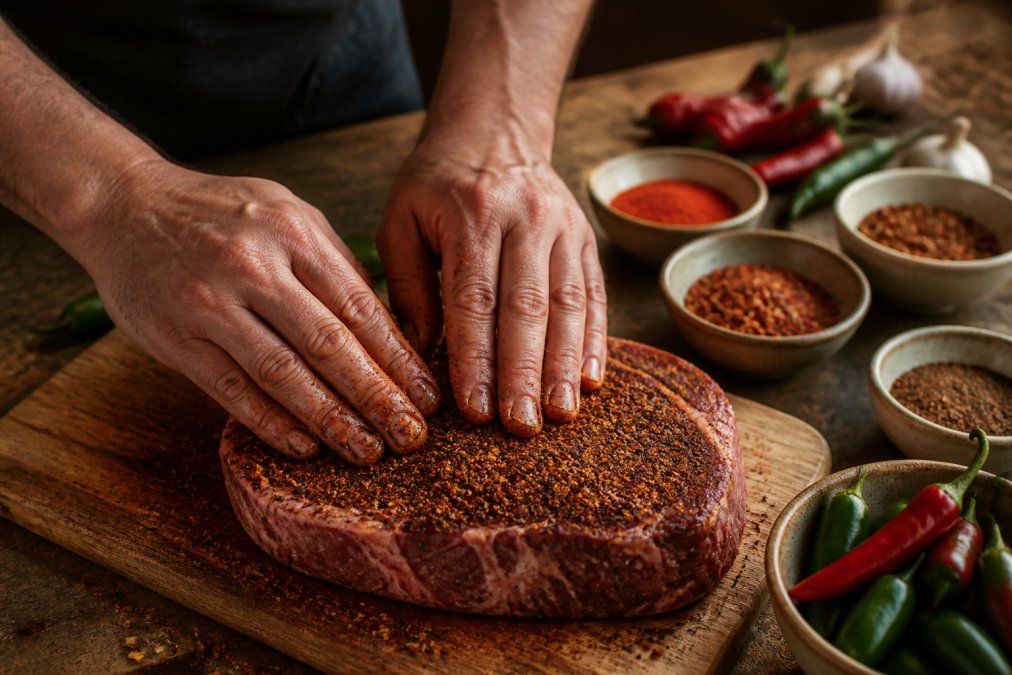
Beef: New Mexico blends excel on fatty cuts (ribeye, brisket, short ribs). The earthiness complements beef's richness without competing. Apply generously as a dry rub 1-2 hours before grilling.
Pork: The slight fruitiness in Hatch-based blends pairs exceptionally well with pork shoulder and ribs. Use for both dry rubs and finishing sauces.
Chicken: Use sparingly on breasts to avoid overpowering. Thighs and legs tolerate heavier seasoning because darker meat has more fat.
Vegetables: Root vegetables and peppers absorb New Mexico seasoning beautifully. Leafy greens and delicate vegetables need lighter application.
Fish: Generally avoid. New Mexico blends are too heavy for most seafood, except heartier fish like salmon or swordfish.
New Mexico style blends work across an enormous range of dishes, from obvious applications like tacos to steaks, ribs, roasted vegetables, and even eggs.
How to Choose the Right Spice Blend for Meat
Choosing the right spice blend for meat depends on four factors: the meat type, your cooking method, your heat tolerance, and any dietary restrictions.
Step 1: Match the Meat Type
Beef tolerates bold, smoky flavors. Fatty cuts benefit from heavier seasoning because fat carries flavor. Lean cuts need slightly lighter application.
Pork benefits from slightly sweeter spice combinations. New Mexico-style blends work well because fruity notes complement pork's mild flavor. Avoid blends with excessive heat.
Chicken needs lighter seasoning that doesn't overpower. Breasts require restraint; thighs and legs tolerate heavier application.
Lamb pairs well with warming spices like cumin and oregano. Lamb's gaminess benefits from bolder seasoning than chicken.
Step 2: Consider Your Cooking Method
Grilling intensifies spice flavors because direct heat concentrates everything. Apply seasoning 1-2 hours before grilling so flavors penetrate.
Pan-searing requires more restraint. Use 25-30% less seasoning than grilling. Season just before cooking to prevent burning.
Slow-roasting (275-325°F for 2+ hours) allows generous seasoning because long, moist cooking distributes flavors evenly.
Smoking (225-250°F) requires bold seasoning because smoke flavor can overwhelm subtle spice notes. Use heavier rubs and consider layering with finishing sauce.
Step 3: Evaluate Heat Level and Flavor Profile
Heat levels generally follow this scale:
- Mild (0-2,500 SHU): Garlic-forward, cumin-based blends. Best for chicken, fish, and delicate palates.
- Medium (2,500-8,000 SHU): New Mexico and Hatch chile blends. Balanced heat with fruity, earthy notes. Works across beef, pork, and vegetables.
- Hot (8,000-30,000 SHU): Jalapeño and serrano-based blends. Significant heat with bright flavor. Best for beef and pork.
- Very Hot (30,000+ SHU): Cayenne and habanero blends. Intense heat dominates. Use sparingly.
Start with medium if uncertain, then adjust based on what you taste.
Step 4: Account for Dietary Restrictions
Low-Sodium Blends: Standard spice blends contain 200-400 mg sodium per teaspoon. Look for blends labeled "no salt added" or "low sodium" (0-50 mg per teaspoon). You'll add your own salt to taste.
Gluten-Free Certification: Most pure spice blends are naturally gluten-free, but some include anti-caking agents that may contain gluten. Look for explicit "Gluten-Free" certification if you have celiac disease or gluten sensitivity.
Organic Certification: Organic spice blends cost 20-40% more because they're sourced from farms meeting USDA organic standards. Look for "USDA Organic" certification. Note that "all-natural" does not mean organic.
Practical Approach: Test Before Committing
Buy a smaller size first. Test it on the meat you cook most frequently. Notice how much seasoning you need, whether flavors work with your other ingredients, whether heat level matches your preference, and whether it fits dietary requirements. Only then commit to a larger jar.
Dry Rubs vs. Seasoning Mixes: Understanding the Difference
A dry rub is formulated to adhere to meat and develop a flavorful crust during cooking. Dry rubs contain larger spice particles and are applied directly to the surface before heat. They're designed to stick, not dissolve.
A seasoning mix is more versatile. It works as a dry rub but also dissolves into liquids, dusts vegetables, or seasons finished dishes. Seasoning mixes have finer particles and more balanced proportions for general-purpose use.
For barbecue and grilling, dry rubs deliver superior results because they create that crust. For everyday cooking, seasoning mixes offer more flexibility. When shopping, read the product description carefully to match the product to how you actually cook.
Making the Switch: Why Quality Matters
Switching from mass-market spices to all-natural gourmet blends isn't just about taste, it's about what you're consuming. Standard supermarket spice brands often contain anti-caking agents and flow agents that help them sit on shelves for years. All-natural blends contain actual spices, nothing else.
The flavor difference is immediate. Gourmet blends taste fresher because they're fresher. Small-batch production means faster turnover. Regional chiles have regional character. Generic sourcing produces generic flavor.
All-natural gourmet seasoning brands typically know where their ingredients come from. Dam Spice Company sources New Mexico chiles from New Mexico. That specificity matters. The cost difference is proportional to quality. You use less of it because the flavor is concentrated. A smaller jar of quality seasoning often outlasts a larger jar of diluted alternatives.
Conclusion
Finding the right alternative to Mountain Man Gourmet spices means prioritizing authenticity, ingredient quality, and flavor profile over brand familiarity. Dam Spice Company delivers authentic New Mexico flavors with zero additives, hand-crafted blends that bring bold, smoky, savory notes to steaks, ribs, tacos, and roasted vegetables. Whether you choose Dam Spice Company for its regional authenticity or explore other all-natural gourmet brands, the shift toward quality seasoning transforms how you cook. Start with a smaller jar to test the flavor, then build your collection around blends that match your cooking style. The difference between mass-market and gourmet spices is the difference between cooking that tastes like someone cared and cooking that tastes like convenience.
Frequently Asked Questions
What are the best alternatives to Mountain Man Gourmet spice blends?
Dam Spice Company, Spiceology, and Savory Spice offer compelling alternatives with focus on all-natural ingredients and authentic flavor profiles. Dam Spice specializes in New Mexico-style blends with no additives, Spiceology collaborates with renowned chefs for innovative combinations, and Savory Spice provides over 400 handcrafted options. Each brand emphasizes quality, freshness, and distinctive regional flavor profiles that rival Mountain Man's offerings while maintaining strict ingredient standards.
Are there all-natural gourmet seasoning brands that specialize in New Mexico flavors?
Yes. Dam Spice Company is specifically built around authentic New Mexico flavors, using spices sourced and crafted in the region. Their blends feature chile-based seasonings, roast garlic, and regional herb combinations that capture genuine Southwest character. They guarantee no MSG, fillers, or additives, making them ideal for home cooks and barbecue enthusiasts seeking authentic New Mexico style spice blends without compromising on ingredient integrity.
How do I know if a spice blend is truly all-natural and additive-free?
Check the ingredient label for recognizable spice names and avoid anything listing 'natural flavors,' MSG, silicon dioxide, or anti-caking agents. Quality gourmet brands publish complete ingredient lists on their websites and packaging. Look for certifications or statements about sourcing practices. Reputable companies like Dam Spice Company explicitly state their commitment to no additives and often provide sourcing details. When in doubt, contact the brand directly to confirm their production standards and ingredient sourcing.
What makes Southwest-style spice blends unique compared to standard seasoning mixes?
Southwest and New Mexico style blends emphasize chile peppers (both red and green varieties), cumin, and roasted garlic as foundational elements, creating complex heat and savory depth. These blends balance smoky, earthy notes with bright acidity and moderate to high heat levels. Unlike generic seasoning mixes that prioritize salt and filler, authentic Southwest blends focus on flavor layering and regional authenticity. The result is more nuanced, versatile seasoning that enhances rather than masks the natural flavor of meats, vegetables, and traditional Mexican-inspired dishes.
This article was written using GrandRanker