

Southwest Spice Alternatives: Authentic Flavors Beyond
Table of Contents
- Why Southwest Spice Alternatives Matter
- Essential Ingredients for Southwest Seasoning
- How to Use Southwest Spice Blends in Everyday Cooking
- Making Homemade Southwest Spice Blends
- Authentic New Mexico Chili Powder and Regional Variations
- Additive-Free Spice Blends: What to Look For
- Ingredient Substitutions When You're Missing Spices
- Storage, Freshness, and Cost Considerations
Last Updated: August 20, 2026
Why Southwest Spice Alternatives Matter
Authentic Southwest seasoning doesn't belong to any single company, it belongs to the region, the tradition, and your own kitchen. Whether you're seeking additive-free options, discovering what real New Mexico flavors taste like, or simply expanding beyond what you've been using, understanding your alternatives changes how you cook. This guide explores the full landscape of Southwest spice alternatives, from building your own blends to sourcing authentic regional variations. The difference between a forgettable seasoning and one that transforms a meal often comes down to freshness, ingredient sourcing, and understanding how heat levels and flavor profiles interact.
Essential Ingredients for Southwest Seasoning
Authentic Southwest seasoning rests on a handful of essential spices, each contributing its own character.
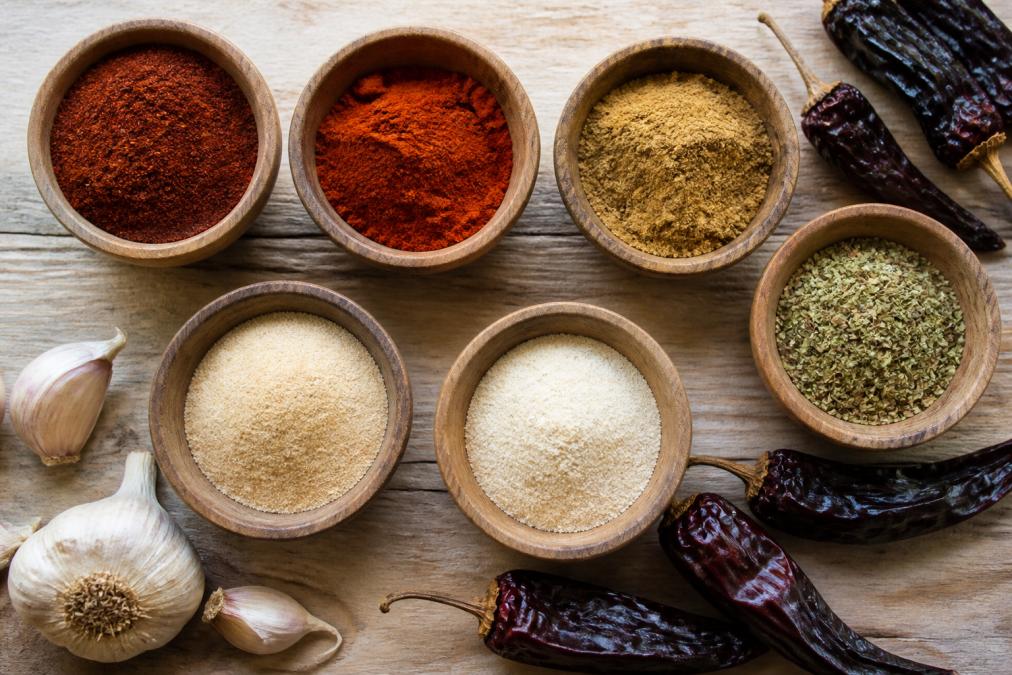
Ancho chili powder forms the backbone of most blends, delivering deep, fruity undertones that work across beef, pork, and vegetables. Smoked paprika adds that signature campfire note without overwhelming the palate. Ground cumin is earthy and essential, though easy to overuse. Dried oregano (Mexican oregano specifically) provides herbal balance, while garlic powder and onion powder bridge the heat of the chiles and savory depth that makes meat sing.
Coriander adds a subtle citrus note most home cooks overlook. Cayenne pepper controls heat level, a quarter teaspoon changes everything. Salt itself matters more than people think; many commercial blends use excessive sodium to compensate for weak spice quality.
The real secret isn't the ingredients themselves, it's freshness. Spices lose potency over time, especially once opened. A two-year-old jar of cumin tastes nothing like fresh ground cumin. Making your own blends or sourcing from specialty retailers with fast inventory rotation delivers noticeably better results than shelf-stable supermarket versions.
How to Use Southwest Spice Blends in Everyday Cooking
Southwest seasoning works far beyond barbecue and chili. These flavor profiles belong anywhere you want bold, savory, slightly smoky depth.
For grilled or seared meat: Use as a dry rub 30 minutes before cooking. The spices form a flavorful crust while the meat's natural juices caramelize underneath.
For roasted vegetables: Toss root vegetables or hearty greens with olive oil and Southwest spice blend before roasting at 425°F. The heat caramelizes the spices and brings out natural sweetness.
For weeknight tacos: Mix the spice blend into ground meat with a splash of water to create a paste. This distributes flavor evenly and prevents clumping.
For soups and stews: Add Southwest spice blends toward the end of cooking rather than at the beginning. Let the spices steep in the liquid for the last 10-15 minutes to meld properly.
For marinades: Combine spice blend with lime juice, olive oil, and a touch of honey or maple syrup. Let proteins sit for at least 2 hours (overnight is better) before grilling or roasting.
Southwest spice blends aren't background flavoring, they're the main event. Use them confidently and in quantities that matter.
Making Homemade Southwest Spice Blends
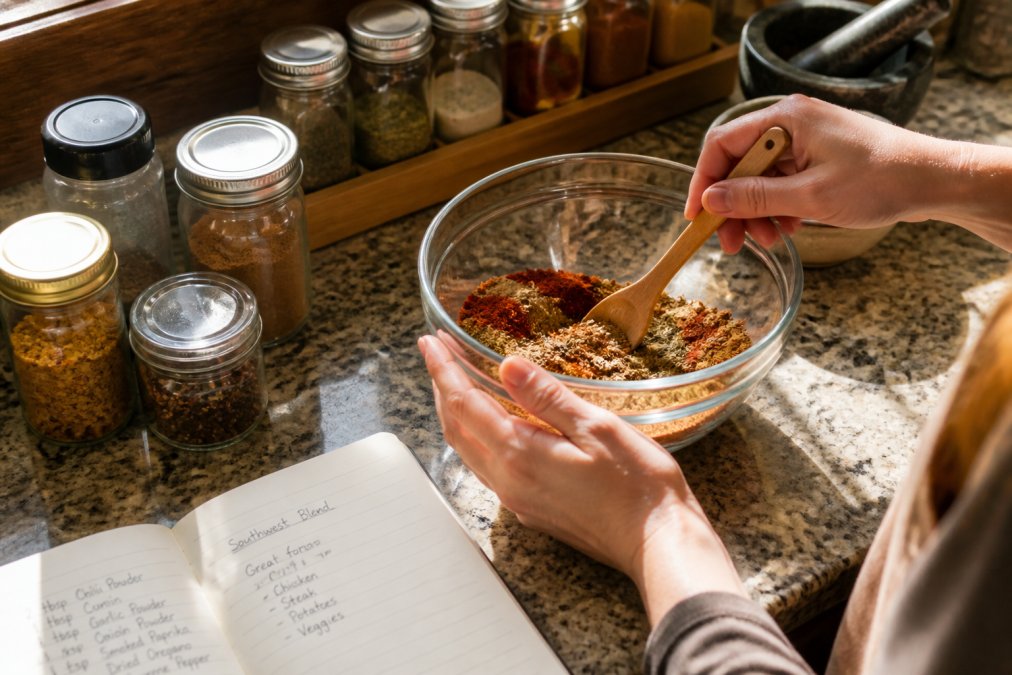
Building your own blend takes five minutes and costs a fraction of pre-made versions. You control every variable: heat level, sodium content, ingredient freshness, and exact flavor balance.
Basic Southwest Blend Recipe
Ingredients:
- 3 tablespoons ancho chili powder
- 2 tablespoons smoked paprika
- 2 tablespoons ground cumin
- 1 tablespoon dried oregano
- 1 tablespoon garlic powder
- 1 tablespoon onion powder
- 1 teaspoon coriander
- ½ teaspoon cayenne pepper (adjust to taste)
- ½ teaspoon salt (or omit if you prefer to control salt separately)
Instructions:
- Pour all dry ingredients into a small bowl.
- Stir thoroughly for 30 seconds to ensure even distribution.
- Transfer to an airtight glass jar.
- Label with the date and contents.
The blend is ready to use immediately, though flavors meld slightly over the first 24 hours. Store in a cool, dark place and use within 6 months for optimal potency.
Adjusting Heat Levels and Flavor Profiles
Cayenne pepper is your heat control valve. Start with ½ teaspoon and taste. If you want more kick, add another ¼ teaspoon at a time.
For a smokier profile, increase smoked paprika to 3 tablespoons and reduce ancho chili powder to 2 tablespoons.
For a deeper, earthier blend, add 1 additional teaspoon of coriander and ½ teaspoon of ground cloves.
For a brighter, more citrus-forward version, add 1 teaspoon of dried lime zest or ½ teaspoon of ground coriander seed.
Adjust one variable at a time. Make a small batch, test it, then modify. Within a few attempts, you'll have a signature blend that tastes exactly how you want it.
Authentic New Mexico Chili Powder and Regional Variations
"Chili powder" is a vague term that means different things across the country. In New Mexico, chili powder means something specific: ground dried chiles with little to no additives.
New Mexico red chili powder comes from dried red chiles grown in the Hatch Valley. It's milder than most expect, with a fruity, slightly sweet undertone. The flavor is complex enough to taste good on its own. Specialty retailers now source directly from New Mexico growers, guaranteeing authenticity and freshness that supermarket versions can't match.
Chimayo chili powder (a specific regional variation) comes from the Chimayo area and has a slightly earthier, more nuanced flavor than standard New Mexico red.
New Mexico green chili powder is fresher-tasting and slightly more herbaceous than the red version. Fresh green chiles are roasted and dried, then ground. This variation works beautifully in sauces, soups, and as a finishing spice.
The difference between these regional variations and generic "chili powder" sold in supermarkets is stark. Commercial chili powders often contain salt, garlic, cumin, and other additives. If you're looking for authentic New Mexico flavors, seek out pure chile powders from specialty retailers.
| Chili Powder Type | Flavor Profile | Heat Level | Best Uses |
|---|---|---|---|
| New Mexico Red | Fruity, slightly sweet, complex | Mild-Medium | Sauces, dry rubs, enchiladas |
| Chimayo | Earthy, nuanced, subtle | Mild | Authentic regional dishes |
| New Mexico Green | Fresh, herbaceous, bright | Mild-Medium | Sauces, finishing spice |
| Ancho | Deep, fruity, mild | Mild | Blends, moles, stews |
Additive-Free Spice Blends: What to Look For
True additive-free blends contain only spices, herbs, and maybe salt. No anti-caking agents, no MSG, no sugar, no preservatives. Many mainstream brands use these additives to extend shelf life and improve flowability, but they dilute flavor and add unwanted sodium.
When shopping, read the ingredient list carefully. You should recognize everything on that list. A spice can be additive-free without certification, but USDA Organic certification means no synthetic pesticides or fertilizers, and Non-GMO Project Verified indicates the spices weren't genetically modified.
Many home cooks assume specialty retailers automatically mean better quality. Verify by reading labels. Some specialty brands still use additives; some supermarket brands are surprisingly clean.
Ingredient Substitutions When You're Missing Spices
Knowing what actually works as a substitute keeps you cooking instead of improvising badly.
If you're out of ancho chili powder: Use regular chili powder in slightly smaller quantities, or substitute with ½ ancho + ½ regular paprika. Alternatively, if you have dried ancho chiles, toast them lightly in a dry skillet for 30 seconds, then grind them.
If you're missing smoked paprika: Regular paprika works as a direct substitute in equal amounts, though you lose the smoky character. A tiny pinch of liquid smoke (just a drop) added to regular paprika approximates the effect.
If you don't have ground cumin: Whole cumin seeds work if you toast them first. Toast for 2-3 minutes in a dry skillet until fragrant, then grind. Fresh-ground cumin tastes noticeably better than old ground cumin.
If you're out of dried oregano: Fresh oregano works but use less, about one-third the amount called for.
If you need to replace garlic powder or onion powder: Fresh garlic and onion work, but they add moisture and change cooking time. Use about 1 tablespoon of minced fresh garlic or onion for every 1 teaspoon of powder.
Southwest seasoning is flexible. You can work around missing ingredients without abandoning the flavor profile. The core, ancho or other chili powder plus cumin, defines the taste.
Storage, Freshness, and Cost Considerations
How you store spices determines whether you're getting full flavor or pale shadows of what they should taste like.
Temperature and light degrade spices fastest. A dark cabinet or pantry shelf is ideal. The spice rack above your stove looks nice but destroys your spices.
Airtight containers are non-negotiable. Transfer spices to small glass jars with tight-sealing lids. Glass is better than plastic because it doesn't absorb odors or flavors.
Shelf life varies by spice. Ground spices stay potent for about 6 months after opening. Whole spices last 12 months or longer. If a spice smells weak or tastes muted, it's past its prime.
Cost-per-ounce comparison reveals real value. A small jar from a specialty retailer might cost more upfront than a supermarket container, but if it's fresher and more potent, the per-ounce cost is often lower. Buying slightly larger quantities from sources with faster inventory rotation usually costs less and guarantees freshness.
Many home cooks waste money by buying small supermarket jars and letting them sit for years. Buying from sources with guaranteed freshness is the smarter move financially and culinarily.
The real power of understanding Southwest spice alternatives isn't about picking the "best" option, it's about knowing what you're actually buying and why it matters. Whether you're sourcing from specialty retailers, making your own blends, or choosing additive-free options, the choice should be intentional. Your food tastes better when every ingredient in your spice cabinet is there because you understand what it does and why it belongs in your cooking.
Frequently Asked Questions
What is a substitute for Southwest spice blend?
If you're out of a premade southwest spice blend, you can create a substitute using ancho chili powder, smoked paprika, ground cumin, dried oregano, garlic powder, and onion powder mixed in equal parts. For heat, add cayenne pepper to taste. This homemade blend captures the smoky, savory, and spicy notes that define authentic southwest flavors. Alternatively, look for additive-free spice blends from specialty retailers that focus on New Mexico-style seasonings, which deliver the same bold flavor profile without MSG or fillers.
Can I make my own southwest spice blend at home?
Yes, making homemade southwest spice blends is straightforward and cost-effective. Start with 2 tablespoons ancho chili powder, 1 tablespoon smoked paprika, 1 tablespoon ground cumin, 1 teaspoon dried oregano, 1 teaspoon garlic powder, and 1 teaspoon onion powder. Mix in an airtight container and shake before each use. You can adjust ratios based on your heat preference by adding more cayenne pepper or balancing with extra cumin for an earthier profile. Store in a cool, dark pantry for up to six months.
What makes authentic New Mexico chili powder different from other chili powders?
Authentic New Mexico chili powder is made from specific chile varieties grown in the region, delivering a distinctive smoky, slightly sweet, and moderately spicy flavor profile. Unlike generic chili powder blends that often contain salt, fillers, and additives, true New Mexico chili powder is typically just ground dried chiles with no extra ingredients. This purity creates a cleaner, more complex taste that works as both a standalone seasoning and a base for custom spice blends. The terroir of the region gives these chiles their unique aromatic quality.
How do I know if a spice blend is truly additive-free?
Check the ingredient label carefully, additive-free spice blends should list only individual spices, herbs, and chiles with no MSG, silicon dioxide, anti-caking agents, or preservatives. Look for brands that source from reputable suppliers and clearly state their sourcing practices. Many specialty spice companies, including those focusing on New Mexico flavors, provide transparent ingredient lists on their websites. If a label lists 'spice blend' or 'natural flavoring' without further detail, contact the manufacturer to confirm there are no hidden additives.
What are the best ways to use southwest spice blends in everyday cooking?
Southwest spice blends work beyond barbecue, use them as dry rubs for grilled chicken, beef, or fish; sprinkle on roasted vegetables like zucchini, bell peppers, and corn; mix into ground meat for tacos or enchiladas; or stir into marinades with lime juice and olive oil. They also enhance simple dishes like scrambled eggs, roasted potatoes, and bean soups. For weeknight dinners, dust a blend onto grilled salmon or add it to cream cheese for a quick dip. The smoky, savory notes complement both Mexican-inspired dishes and everyday proteins.
This article was written using GrandRanker