

The Spice House Alternative for Rubs: 4 Southwest Blends
Table of Contents
- Why Look for a Spice House Alternative for Rubs?
- What Makes a Rub Great? Flavor, Adhesion, and Heat Level
- The Best Southwest BBQ Rubs: Dam Spice Company Lineup
- The Additive-Free Spice Blends Difference
- How to Match the Right Rub to Your Cook
- Conclusion: Bring Bold Southwest Flavor Home
- Frequently Asked Questions
Last Updated: September 5, 2026
Why Look for a Spice House Alternative for Rubs?
Finding a reliable spice house alternative for rubs often comes down to one thing: freshness. Many national brands grind spices in massive batches that sit in warehouses for months, losing the aromatic oils that make a dry rub sing (peer-reviewed research).
At Dam Spice Company, we built our lineup around a different premise: a spice house alternative for rubs should deliver culinary-grade quality with the bold, distinct character of the Southwest. That means sourcing chile peppers with real terroir, then blending them in small batches so flavor intensity survives the trip to your kitchen.
You don't need to sacrifice quality for convenience. The best Southwest BBQ rubs prove that a small-batch operation can match, and often beat, the big-name spice houses on freshness and complexity. Below, we show you which blends to reach for and how to match them to your cook.
What Makes a Rub Great? Flavor, Adhesion, and Heat Level
A great rub is more than a collection of ground spices. It is a carefully engineered layer of flavor that must build a crust, season the meat, and complement the smoke.

Flavor profile comes first: a rub should balance savory, sweet, and spicy elements so no single note dominates. Adhesion matters just as much; if the blend doesn't cling to the meat, it burns off before forming a bark. Heat level determines versatility for a family cookout versus a dedicated chili head.
The salt-to-spice ratio is the hidden variable most home cooks overlook. Salt draws out moisture and helps the rub penetrate, but too much makes meat taste cured rather than seasoned. Quality blends use sea salt as a base, then layer in paprika, garlic, and chile peppers for depth.
The Best Southwest BBQ Rubs: Dam Spice Company Lineup
These four blends represent the core of what a spice house alternative for rubs should offer: bold flavor, clean ingredients, and versatility across cooking methods. Each is made in New Mexico with locally sourced spices, and none contain MSG, artificial fillers, or anti-caking agents.
Dam Butt Rub: The Versatile All-Rounder
Dam Butt Rub is the anchor of the lineup, a balanced blend of sea salt, sugar, brown sugar, chile peppers, and black pepper that hits salty, sweet, and spicy in equal measure. At $7.99 for a 5-ounce bottle, it is the most versatile option for anyone who wants one rub that works across beef, pork, and chicken.
The sugar content promotes a deep caramelized crust, while the black pepper provides a mild to medium heat that never overwhelms. This is the rub to grab when cooking for a crowd with varying heat tolerance.
Dam Butt Rub is naturally gluten-free and contains no MSG, making it a safe choice for households with dietary restrictions.
Kick Ass Rub: For Those Who Want Heat
If Dam Butt Rub is the diplomat, Kick Ass Rub is the provocateur. This blend leans into smoky richness with a fiery finish that builds rather than hits all at once. The medium heat level suits burgers, steaks, and chicken wings, but it also performs well on roasted vegetables and fries.

What sets this apart is the depth behind the heat. The smoky paprika and savory spices give the heat a foundation, so you get a complex burn rather than a one-dimensional sting.
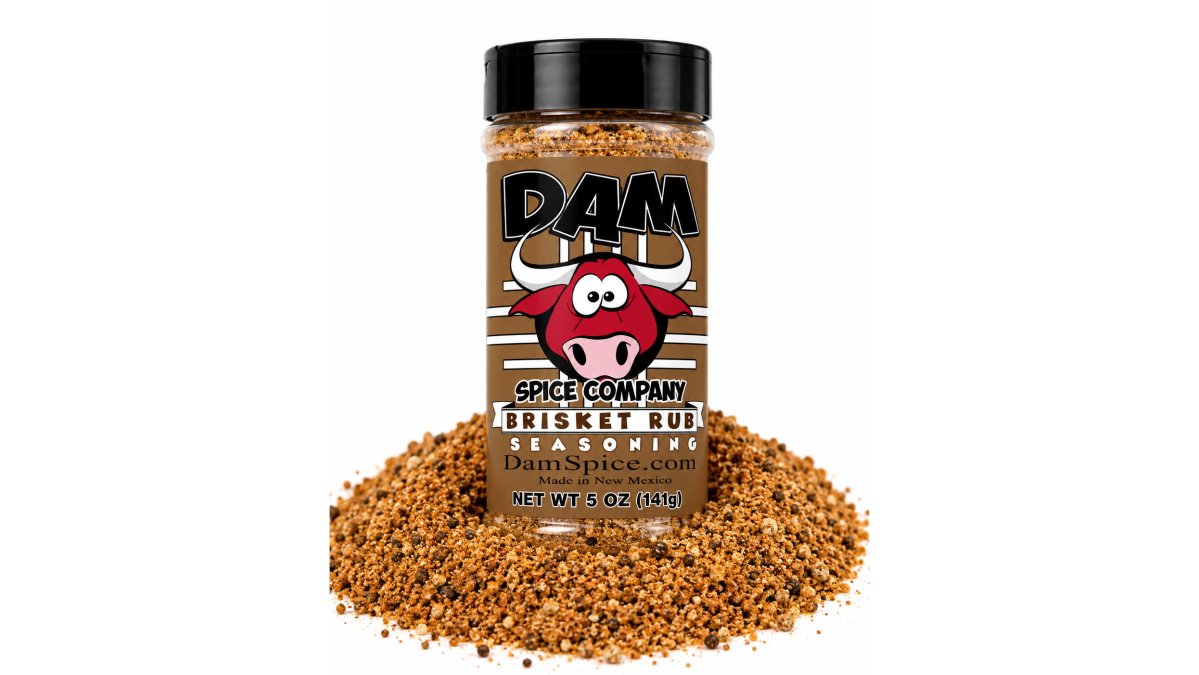
Brisket Rub: Built for the Smoker
Brisket Rub is a specialist. The flavor profile is bold, garlic-forward, and peppery, designed to build a Texas-style bark over a long, low-and-slow smoke. The heat level is mild, a deliberate choice; on a twelve-hour cook, aggressive heat can turn acrid.
Garlic and coarse pepper form the backbone, with no sugar to speak of. That makes it ideal for pitmasters who want a savory crust without the sweetness that caramelizes and burns on extended cooks. Use it on brisket, beef ribs, chuck roast, or tri-tip.
Sweet & Smokey BBQ Rub: The Crowd Pleaser
Sweet & Smokey BBQ Rub rounds out the quartet with a profile built on brown sugar, smoked paprika, and garlic. The mild heat level and pronounced sweetness make it the go-to for ribs, pork shoulder, and chicken, where a caramelized glaze-like crust is the goal.
This blend delivers the classic backyard barbecue flavor most people picture with a perfect rack of ribs. The smoked paprika provides authentic smoke notes without liquid smoke, and the brown sugar promotes that sticky, lacquered finish that pulls cleanly off the bone.
| Rub | Flavor Profile | Heat Level | Best On | Price |
|---|---|---|---|---|
| Dam Butt Rub | Salty / Sweet / Spicy | Mild to Medium | Beef, pork, chicken | $7.99 |
| Kick Ass Rub | Smoky / Bold / Savory | Medium | Burgers, steaks, wings | $7.99 |
| Brisket Rub | Bold / Garlic / Pepper | Mild | Brisket, beef ribs, tri-tip | $7.99 |
| Sweet & Smokey BBQ Rub | Sweet / Smoky / Savory | Mild | Ribs, pork, chicken | $7.99 |
The Additive-Free Spice Blends Difference
The clean-label movement has reached the spice aisle, and for good reason. Many commercial rubs rely on silicon dioxide to prevent caking, MSG to boost savory flavor, and artificial smoke flavoring. These additives are shelf-stable and cheap, but they flatten the flavor profile into something generic. Additive-free blends skip all of that, you get the actual spice, nothing else. The tradeoff is a shorter shelf life and a higher price point, because whole spices ground in small batches cost more than bulk powder blended with anti-caking agents.

But what does "additive-free" actually mean when you are trying to replicate a high-end rub profile at home? Most comparison guides stop at brand-to-brand swaps. Here is the technical breakdown most articles skip: a direct ingredient substitution chart that shows how to mix common supermarket spices to approximate the structure of a premium rub.
The Pantry Replication Chart
The following chart maps the functional role of each component in a typical high-end rub to a common pantry substitute. This is not about copying a trademarked recipe; it is about understanding the mechanism behind each layer so you can build your own blend with confidence.
| Role in a Premium Rub | Common Ingredient in Specialty Blends | Pantry Substitute | Ratio to Start | Mechanism |
|---|---|---|---|---|
| Salt base (moisture draw and crust formation) | Sea salt or kosher salt | Diamond Crystal kosher salt | 1 part | Large crystals dissolve slowly, drawing moisture to the surface for bark formation without over-salting. |
| Sweetener for caramelization | Turbinado sugar or demerara | Light brown sugar | 0.75 part | Brown sugar contains molasses, which lowers the burn point slightly but adds moisture and a deeper caramel note. |
| Primary color and mild sweetness | Sweet paprika (not smoked) | Standard grocery sweet paprika | 1.5 parts | Provides the red hue and a vegetal sweetness that forms the visual base of the crust. |
| Smoky depth | Smoked paprika or chipotle powder | Smoked paprika (check label for no additives) | 0.5 part | Adds authentic smoke without liquid smoke; the phenols bind to fat for a lingering finish. |
| Savory umami | MSG or yeast extract | Nutritional yeast (fortified) | 0.25 part | Provides glutamates that amplify the savory perception of the meat itself. |
| Heat with a slow build | Ancho or guajillo chile powder | Ancho chile powder (pure, no anti-caking agents) | 0.5 part | Capsaicin is fat-soluble, so it releases gradually as the meat renders, creating a build rather than a flash. |
| Pungent bite | Freshly ground black pepper | Tellicherry black peppercorns, ground fresh | 0.5 part | Piperine stimulates the trigeminal nerve; fresh grinding preserves volatile oils that dull after weeks in a jar. |
| Aromatic lift | Garlic powder (not garlic salt) | Granulated garlic (not powder) | 0.25 part | Granulated garlic dissolves slower, preventing a raw garlic bite on the surface. |
How to use this chart: Start with 1 part salt and 1.5 parts sweet paprika as your base. Adjust the sweetener and heat based on your cook. For a low-and-slow smoke, drop the sugar to 0.25 part or eliminate it entirely. For a hot grill, keep the sugar at 0.75 part for a quick caramelized crust. This ratio system lets you build a rub that matches the structural profile of a premium blend without needing a dozen specialty jars.
Sourcing Transparency: What to Look For on the Label
A second gap in most comparison content is sourcing transparency. When you pick up a jar at a big-box store, the label rarely tells you where the chiles were grown or when they were ground. Specialty producers like Dam Spice Company list New Mexico as the origin point for their chile peppers, which matters because terroir affects flavor intensity. Chiles grown in the Hatch Valley have a distinct fruity, vegetal profile that is hard to replicate with commodity peppers from Peru or India.
Here is a quick checklist to evaluate any spice label for sourcing integrity:
- Look for a specific origin, not just "imported." A region name (e.g., "New Mexico" or "Oaxaca") indicates a direct relationship with a growing region. "Product of multiple countries" means the spices were likely blended from commodity auctions.
- Check for a grind date or lot number. Some specialty producers stamp a "packaged on" date. If the label only shows a "best by" date that is two years out, the spice was likely ground months before it hit the shelf.
- Avoid anti-caking agents (silicon dioxide) and free-flow agents. These are added to prevent clumping, but they also coat the spice particles and slow the release of volatile oils on contact with meat.
- Confirm the absence of MSG if you are sensitive to it. MSG is not inherently harmful, but it changes the flavor profile by adding a savory boost that can mask the natural sweetness of the chiles. If you want the pure chile flavor, skip it.
The Shelf-Life Tradeoff, Quantified
Additive-free blends do not last as long as their commercial counterparts. Here is the realistic timeline based on how spices degrade at room temperature:
- Ground chile powder: Loses 50% of its volatile oil content within 6 months of grinding. After 12 months, it is mostly color and fiber.
- Garlic powder: Oxidizes quickly; after 4 months, the allicin compounds that give it pungency fade to a flat, musty note.
- Smoked paprika: The smoke phenols are more stable, but the sweet paprika base degrades on the same 6-month curve.
- Whole spices (peppercorns, cumin seeds): Retain potency for up to 2 years if stored in a cool, dark place. Grind them fresh for the best results.
This is why small-batch producers like Dam Spice Company grind in smaller quantities and ship directly to the consumer. The jar you receive was likely ground within the last 30 to 60 days, not the last 6 months. That freshness window is the real difference between a specialty blend and a mass-market rub, and it is the reason the price per ounce is higher.
The Ethical Sourcing Angle No One Covers
Beyond freshness, there is a sustainability dimension most comparison guides ignore. Commodity spice supply chains are opaque; spices often pass through multiple middlemen before reaching a packing plant. Specialty producers who source directly from a single growing region can offer more transparency about labor practices and environmental impact. When a label says "grown in New Mexico," it implies a shorter supply chain with fewer opportunities for contamination or labor exploitation. This is not a guarantee, but it is a signal worth weighing if supply chain ethics are part of your purchasing decision.
For a true alternative to a national spice house, you want a producer that can answer three questions: Where was this grown? When was it ground? What is in it besides the spice? If the answer to any of those is vague, you are likely getting a commodity product with a premium label.
How to Match the Right Rub to Your Cook
Matching a rub to your cooking method matters more than most guides admit. The same blend that produces a perfect crust on a quick sear can turn bitter on a twelve-hour smoke, and a rub designed for low-and-slow cooking will not develop properly on a hot grill. There is also a second layer most comparison content ignores: matching a rub to your dietary constraints. The top results are all brand-to-brand swaps, with no guidance for home cooks who need low-sodium, keto-friendly, or certified organic options.
Here is how to approach both variables, cooking method and dietary need, so you can make an informed choice whether you are buying a specialty blend or building your own.
Cooking Method First: The Heat and Time Matrix
The primary variable is not the protein; it is the cooking environment. Here is the decision tree most pitmasters use, broken down by heat level and duration:
- Grilling (high heat, short cook, 10-30 minutes): Reach for a rub with sugar in the 0.5 to 1 part ratio. The sugar caramelizes quickly, creating a crust before the meat finishes. Dam Butt Rub and Sweet & Smokey BBQ Rub both fit this profile. Avoid sugar-free blends here; without sugar, you will not get the Maillard reaction that builds a crust in a short window.
- Smoking (low heat, long cook, 4-14 hours): Brisket Rub is the clear choice. The sugar-free blend builds bark over time without burning. If you are using a rub with sugar, keep the cook under 4 hours or wrap the meat in butcher paper at the 3-hour mark to prevent the sugar from turning acrid.
- Roasting (moderate heat, medium cook, 1-3 hours): Kick Ass Rub adds depth to roasted vegetables, chicken, and even baked potatoes without overwhelming them. The medium heat level works because the oven environment is moist enough to prevent the capsaicin from becoming harsh.
- Searing (very high heat, under 5 minutes): Use a rub with no sugar and a coarse salt base. The salt will draw moisture to the surface, which then evaporates and leaves a dry crust that sears cleanly. A sugar rub will burn and stick to the pan.
A common mistake is applying the rub too far in advance. Salt draws moisture out of the meat, and if you apply the rub more than a few hours before cooking, you end up with a wet surface that steams rather than sears. Apply the rub 30 to 60 minutes before the meat hits the heat.
The Dietary-Specific Angle: Low-Sodium, Keto, and Organic
This is the gap that no top-ranking article covers. Most rubs are built on a salt base, which is a problem for the roughly 50% of American adults with hypertension or pre-hypertension who are advised to limit sodium. Here is how to navigate each constraint without sacrificing flavor.
Low-Sodium Rubs: Cut the Salt, Not the Flavor
Salt is not just a seasoning; it is a moisture-management tool. Removing it changes how the rub adheres and how the crust forms. The workaround is to replace the salt volume with a combination of granulated garlic, onion powder, and a small amount of citric acid (sour salt) to mimic the sharpness that salt provides.
A low-sodium substitution ratio: For every 1 part of salt in a standard rub, use 0.5 part granulated garlic, 0.25 part onion powder, and 0.25 part citric acid. This will not draw moisture the way salt does, so pat the meat dry and apply the rub immediately before cooking. Do not let it sit for more than 30 minutes, or the surface will become tacky.
Which Dam Spice blends work? All four blends contain sea salt as a base, so none are naturally low-sodium. However, you can use the Pantry Replication Chart above to build a custom low-sodium version of the Dam Butt Rub profile by substituting the salt component with the garlic/citric acid mix. This gives you the same sweet-savory-spicy balance without the sodium load.
Keto-Friendly Rubs: Watch the Sugar, Not the Carbs
Keto dieters often assume that a rub with brown sugar is off-limits, but the actual carbohydrate load per serving is minimal. A typical 5-ounce jar contains about 1.5 cups of total volume. A single serving for a rack of ribs is roughly 2 tablespoons, which contains about 4 to 6 grams of sugar. For a strict keto diet (under 20 grams of carbs per day), this is a significant portion of your daily allowance.
The keto workaround: Use a sugar-free rub like Brisket Rub for long smokes, and for short grills, use a rub with a sugar substitute. You can make a keto-compatible version of Sweet & Smokey BBQ Rub by substituting the brown sugar with allulose or monk fruit sweetener. Allulose caramelizes similarly to sugar and does not spike blood glucose. Use a 1:1 ratio by volume, but note that allulose burns at a slightly lower temperature (around 320°F), so keep the grill under 350°F.
Which Dam Spice blends work? Brisket Rub is naturally keto-friendly because it contains no sugar. The other three blends contain sugar or brown sugar, so they are not suitable for strict keto without modification.
Certified Organic: What the Label Actually Means
Organic certification in the spice industry is not uniform. The USDA Organic seal requires that the spice be grown without synthetic pesticides or fertilizers, but it does not regulate the grinding or packaging process (ams.usda.gov). A spice can be certified organic and still be ground in a facility that processes non-organic spices, which introduces cross-contamination risk.
What to look for: If you need certified organic, look for a "100% Organic" label rather than just "Organic" (which allows up to 5% non-organic content). Also check for a "Certified Organic by [Certifier Name]" statement on the back label, which indicates third-party verification rather than self-declaration.
Which Dam Spice blends work? The Dam Spice Company lineup is not certified organic, but the sourcing model is direct from New Mexico growers who use traditional farming methods. If organic certification is a hard requirement, use the Pantry Replication Chart to build your own blend from certified organic pantry staples.
A Decision Matrix for Your Next Cook
Here is a quick reference table that combines both variables, cooking method and dietary need, so you can make a choice in under a minute:
| Scenario | Cooking Method | Dietary Constraint | Recommended Approach |
|---|---|---|---|
| Family cookout, burgers and chicken | Grill (high heat, short) | None | Dam Butt Rub |
| Family cookout, burgers and chicken | Grill (high heat, short) | Low-sodium | Custom blend with garlic/citric acid base |
| Weekend brisket smoke | Smoker (low heat, 12 hours) | None | Brisket Rub |
| Weekend brisket smoke | Smoker (low heat, 12 hours) | Keto | Brisket Rub (naturally sugar-free) |
| Weeknight chicken thighs | Oven roast (moderate, 45 min) | None | Kick Ass Rub |
| Weeknight chicken thighs | Oven roast (moderate, 45 min) | Organic | Custom blend from organic pantry staples |
| Ribs for a crowd | Grill or smoker (3-4 hours) | None | Sweet & Smokey BBQ Rub |
| Ribs for a crowd | Grill or smoker (3-4 hours) | Low-sodium | Custom blend with reduced salt and added smoked paprika |
Conclusion: Bring Bold Southwest Flavor Home
Choosing a spice house alternative for rubs does not mean settling for less. The four blends in the Dam Spice Company lineup deliver the freshness, complexity, and clean ingredients that home cooks and pitmasters actually want, at a price that beats the specialty import stores.
Start with the Ultimate BBQ Flavor Pack, which bundles Kick Ass, Sweet & Smokey, and Dam Butt Rub for $22.00. It is the lowest-risk way to figure out which flavor profile fits your cooking style, covering everything from quick weeknight grilling to weekend smoking sessions. Get started with Dam Spice Company and bring the authentic taste of New Mexico to your next cook.
Frequently Asked Questions
What makes a high-quality BBQ rub different from generic store-bought spices?
The difference comes down to the salt-to-spice ratio, the quality of the chile peppers, and the absence of fillers. High-quality rubs, like those from Dam Spice Company, use culinary-grade spices and sea salt as the base, creating a crust that adheres well. Generic brands often rely on anti-caking agents and lower-grade paprika. A good rub should have a balanced flavor profile where no single spice overpowers the meat.
Are additive-free spice blends really better for grilling?
Yes, for a few practical reasons. Additive-free blends contain no MSG, artificial flavors, or anti-caking agents that can leave a bitter aftertaste on the grill. Since they are pure spices, they caramelize and form a better bark on brisket and ribs. Dam Spice Company rubs are naturally gluten-free and made without additives, so you get clean, bold flavor from the New Mexico chile and spices rather than chemical fillers.
How do I choose between a sweet rub and a spicy rub for my cook?
Consider your cook time and the cut of meat. Sweet rubs with brown sugar, like the Sweet & Smokey BBQ Rub, are ideal for pork ribs and chicken because the sugar caramelizes well at moderate temperatures. Spicier blends like the Kick Ass Rub work better on beef burgers and steaks, where the heat complements the savory flavor. For low-and-slow brisket, use the savory Brisket Rub to build a bark without burning sugar.
What should I look for when choosing an alternative to The Spice House?
Look for a company that prioritizes regional sourcing and specific flavor profiles. If you want authentic Southwest flavor, you need a brand that sources chile from New Mexico, not a generic blend. Check the ingredient list for fillers. Small-batch companies like Dam Spice Company focus on a salt-to-spice ratio that works well for rubs, ensuring the seasoning adheres to the meat and creates a good crust.
This article was written using GrandRanker