

What Makes Small Batch Spices Better
Table of Contents
- The Flavor Difference: Why Small Batch Spices Taste Alive
- Freshness Matters: How Small Batch Production Preserves Potency
- Clean Ingredients: What You're Really Getting
- Best Practices for Seasoning Meat and Beyond
- How to Store Spices for Maximum Freshness
- Buy All Natural Spice Blends Online: What to Look For
- The Real Cost of Quality: Economic and Culinary Benefits
- Conclusion
Last Updated: August 19, 2026
The Flavor Difference: Why Small Batch Spices Taste Alive
Small batch spices deliver superior flavor because volatile oils and aromatic compounds degrade over time, and small batch producers preserve these critical elements far better than warehouse-based operations. When you open a jar of small batch spices, you experience the full spectrum of aromatic compounds that give each spice its character. Mass-market spices sit in warehouses for months or years, where oxidation breaks down those precious compounds, resulting in flat, dusty seasoning that requires more product to achieve the same effect.
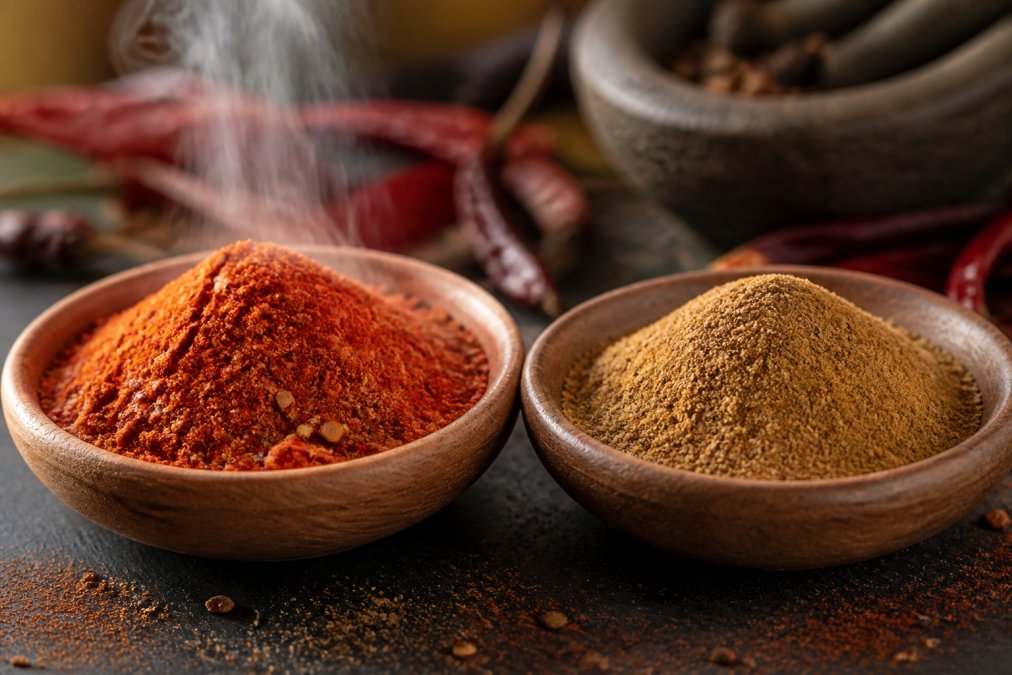
Volatile Oils and Aromatic Compounds
Volatile oils are the powerhouses in spices, responsible for aroma and flavor intensity. When you smell fresh ground cumin or cinnamon, you're detecting volatile oils being released. Small batch spices preserve these oils because they're ground closer to purchase time. Terpenes, a specific class of volatile compounds, contribute significantly to culinary depth, they're what make fresh-ground black pepper taste peppery and cinnamon taste warm rather than flat. These compounds are fragile, degrading with heat, light, and air exposure.
Oxidation and Degradation in Mass Production
Oxidation breaks down aromatic compounds into less flavorful substances. Mass production prioritizes shelf stability over freshness, with spices stored at room temperature or warmer, accelerating oxidation. Small batch producers source closer to harvest, grind in smaller quantities, and move inventory quickly, preserving essential oils and aromatic compounds that define culinary quality.
Freshness Matters: How Small Batch Production Preserves Potency
Freshness in spices is about how recently they were processed and stored, not harvest date alone. Small batch spices win on both counts because sourcing, grinding, and packaging happen in a compressed timeframe. This preservation of potency means you use less spice to achieve the same flavor effect, a practical benefit that justifies the investment.
Made-to-Order Versus Warehouse Storage
Made-to-order production eliminates the months of warehouse storage that mass-market spices endure. Spices are ground and packaged only after you order, allowing for tighter quality control. Each batch can be monitored for consistency and potency rather than relying on standardized processes designed for massive volume.
Harvest Date Transparency and Shelf Stability
Knowing the harvest date tells you how much flavor journey your spices have already completed. Small batch producers often provide this information because they source directly from suppliers and maintain detailed records. Small batch spices stored properly at home maintain their flavor profile for several months to a year, compared to degraded flavor from mass-market jars warehoused far longer.
Clean Ingredients: What You're Really Getting
When you buy small batch spices, you avoid common mass-production additives: silicon dioxide (anti-caking agent), cellulose (filler), and preservatives designed to extend warehouse life. None contribute to culinary quality. Small batch producers prioritize clean ingredients with no additives, so you're getting pure spice and nothing more.
Avoiding Fillers, Preservatives, and Hidden Additives
Fillers increase volume without adding cost but dilute actual spice content. Preservatives prevent spoilage for warehouse storage but are unnecessary for products used quickly after purchase. Reading ingredient labels reveals the difference: mass-market blends list "spices, salt, and anti-caking agent," while small batch blends list only the spices themselves.
Best Practices for Seasoning Meat and Beyond
Meat seasoning is where small batch spices shine. Bold, complex flavors created by quality aromatic compounds and essential oils make a genuine difference in how your meat tastes. Seasoning isn't just about adding salt and heat, it's about building a flavor profile that complements the specific cut and cooking method.
Whole Spices Versus Pre-Ground for Maximum Flavor
Whole spices retain volatile oils far longer than pre-ground spices. A whole cumin seed maintains potency for a year or more; the same cumin, once ground, begins losing aromatic compounds immediately. For highest flavor intensity, grind whole spices just before use. For practical everyday cooking, small batch pre-ground spices deliver far better results than mass-market alternatives.
Building Your Flavor Profile for Different Dishes
Different dishes require different spice combinations and intensities. Small batch spices allow you to build profiles intentionally because each spice has stronger aromatic compounds. You can use less total spice to achieve desired flavor, giving you more control and preventing the "over-seasoned" taste from weak mass-market spices.
How to Store Spices for Maximum Freshness
The moment you bring spices home, storage becomes critical. Light, heat, and air exposure accelerate breakdown of volatile oils and aromatic compounds. Proper storage protects against all three.
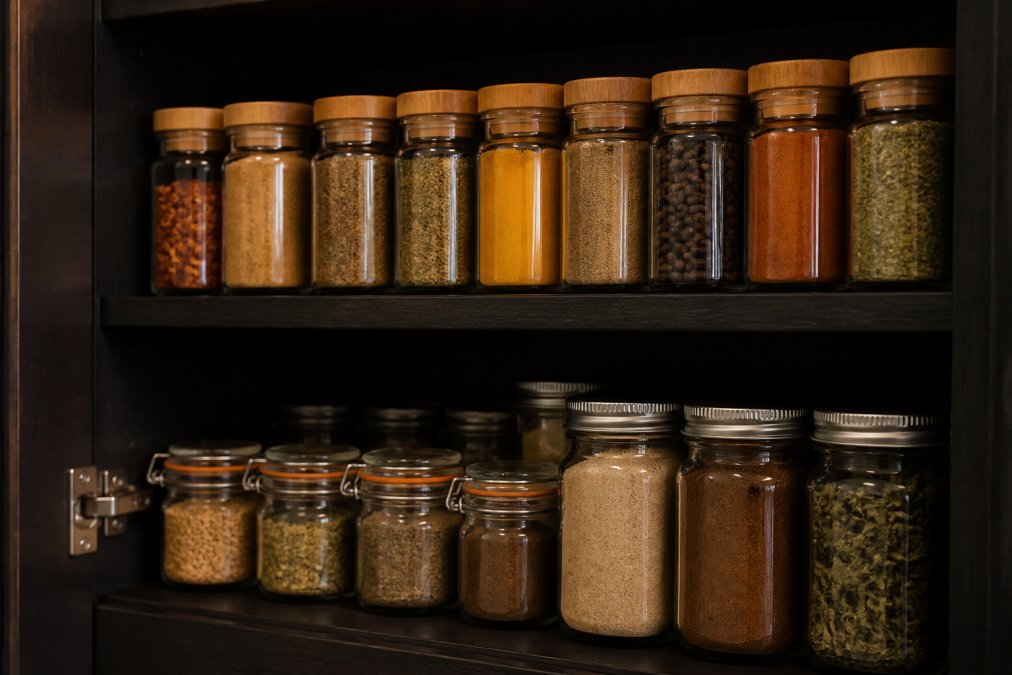
Protecting Essential Oils From Light, Heat, and Air
Light exposure degrades aromatic compounds through photodegradation, which is why quality containers are opaque or dark-colored. Heat accelerates oxidation and evaporation, so store spices in a cool, dark cabinet away from stoves and direct sunlight. Air exposure is equally damaging, seal containers tightly after each use. Some people transfer spices to smaller jars for daily use while keeping larger quantities sealed, reducing exposure frequency.
Shelf-Life Expectations and Rotation Practices
Small batch spices maintain peak flavor for 6-12 months when stored properly. Keep track of when you opened each jar and use older spices first. For frequently used spices this happens naturally; for occasional-use spices, intentional rotation ensures you're using them at peak potency.
Buy All Natural Spice Blends Online: What to Look For
Quality online spice retailers provide transparency about sourcing, processing, and ingredients. The best retailers make it easy to understand exactly what you're buying and why it differs from cheaper alternatives.
Sourcing Transparency and Supply Chain Integrity
Quality spice retailers provide information about where spices come from. Single-origin spices from specific regions offer consistency and traceability. Dam Spice Company brings authentic, bold flavors of New Mexico directly to your kitchen with spice blends crafted in the Land of Enchantment, ensuring consistency and supporting local supply chains that prioritize quality over volume. Ask retailers about sourcing practices and how quickly product moves from harvest to your kitchen.
Certifications and Proof of Purity
Certifications provide third-party verification of claims. Look for organic certification, non-GMO verification, or allergen certifications if relevant. The most important certification is proof of purity, verification that the product contains only what's listed on the label. Retailers who provide this information openly signal confidence in their product.
The Real Cost of Quality: Economic and Culinary Benefits
Small batch spices cost more than mass-market alternatives, but you're paying for fresher product with higher potency. Using less spice to achieve the same flavor effect makes a $15 jar of small batch cumin more economical than a $3 mass-market alternative over time. You're also paying for the production model itself, made-to-order production, smaller quantities, faster turnover, and stricter quality control all add cost but also add value.
The culinary benefit is immediate: dishes seasoned with small batch spices taste noticeably better. The economic benefit emerges over time through more enjoyable cooking and fewer failed experiments. For anyone who cooks regularly, this difference becomes obvious within the first few meals.
Small batch spices represent a fundamental shift in how you approach seasoning. Rather than treating spices as interchangeable commodities, you're investing in products where freshness, potency, and purity are built into the production model. The difference in flavor is real, measurable, and immediately noticeable in your cooking.
When you're ready to experience what fresh, potent spices can do for your meals, Dam Spice Company offers all-natural blends with bold Southwest flavor profiles that transform ordinary dishes into memorable meals. With no additives, no preservatives, and authentic New Mexico sourcing, each shake delivers the aromatic depth and sensory experience that defines small batch quality. Add to cart and discover why fresh spices make every meal taste better.
Frequently Asked Questions
How does the freshness of small batch spices impact flavor?
Freshness directly determines flavor intensity and aroma. Small batch spices retain higher levels of volatile oils and terpenes because they're ground and packaged closer to harvest, before oxidation degrades these aromatic compounds. Mass-produced spices sit in warehouses for months or years, losing potency. A fresh small batch blend delivers bold, complex flavor that stale mass-market alternatives simply cannot match, making every dish more vibrant.
What is the difference between mass-produced and artisanal spice blends?
Mass-produced spices prioritize shelf stability and cost efficiency, often using fillers, anti-caking agents, and preservatives that dilute flavor. Artisanal small batch spices use pure ingredients with no additives, made-to-order to preserve essential oils and potency. Artisanal producers control sourcing, grinding, and packaging to maintain sensory quality. The result: small batch blends deliver authentic, intense flavor profiles that reflect their single-origin sourcing and fresh production methods.
How should you store small batch spices to maintain potency?
Store spices in airtight containers away from direct sunlight, heat, and humidity. Cool, dark cabinets away from the stove are ideal. Glass jars with tight-fitting lids protect volatile oils from oxidation better than plastic. Keep spices away from moisture and strong odors. Proper storage extends shelf-life and preserves the aromatic compounds that make small batch spices superior. Check harvest dates when buying and rotate stock regularly to maintain maximum freshness and flavor intensity.
Are all-natural spice blends healthier than store-bought alternatives?
All-natural spice blends contain no added MSG, fillers, or synthetic preservatives that mass-market brands often include. For consumers with sensitivities or those seeking clean ingredients, small batch all-natural blends offer peace of mind and genuine nutritional value. However, the primary advantage is culinary: no additives mean pure flavor from the spices themselves, letting you control salt and heat levels in your cooking while enjoying authentic taste without hidden ingredients.
This article was written using GrandRanker