

What Spices Are in a Good Brisket Rub
Table of Contents
- Essential Ingredients for a Brisket Rub
- The Best Brisket Rub Ratio for Texas-Style Bark
- When to Apply Brisket Rub for Maximum Flavor
- How Long to Dry Brine Brisket Before Smoking
- Coarse vs. Fine Ground Spices: What Matters
- Troubleshooting Burnt Rubs and Caking Issues
- Conclusion
- Frequently Asked Questions
Last Updated: September 18, 2026
Essential Ingredients for a Brisket Rub
What spices are in a good brisket rub? The foundation starts with three core ingredients: salt, pepper, and garlic. From there, you layer in secondary spices that build depth, complexity, and that signature bark.

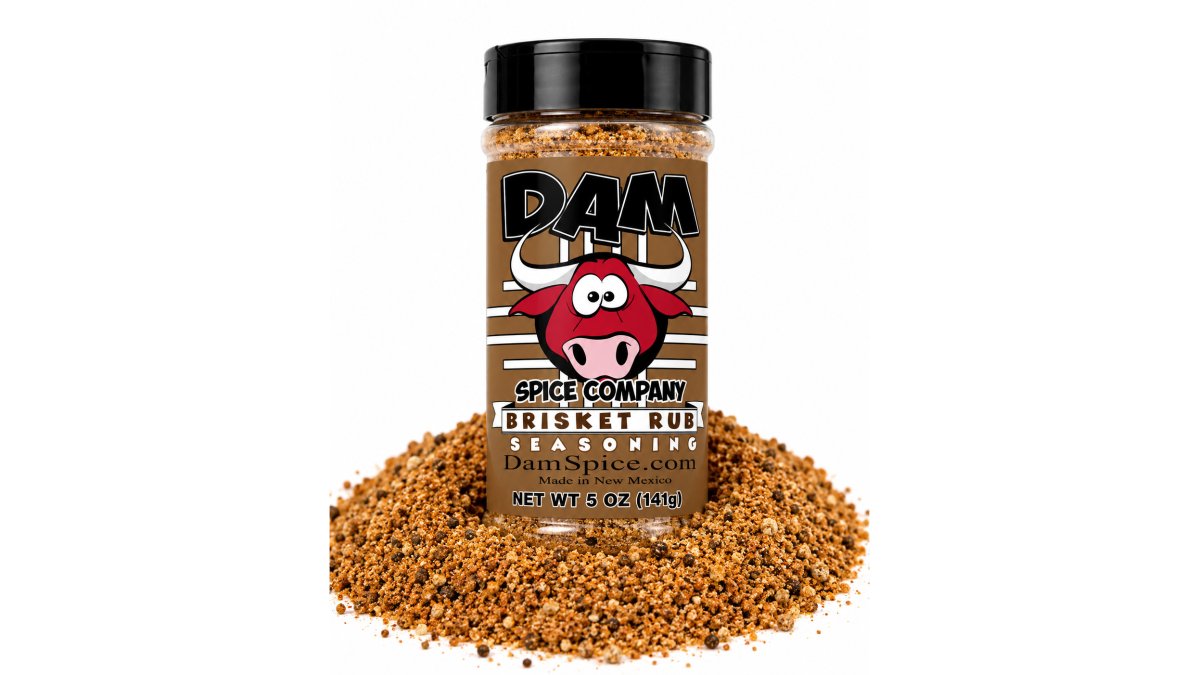
The spices you choose determine whether your bark develops that perfect crust or burns before the meat finishes cooking.
The SPG Foundation: Salt, Pepper, and Garlic
Salt, pepper, and garlic (SPG) are the non-negotiable trio. Kosher salt draws moisture to the meat's surface to form bark. Coarse ground black pepper adds bite and heat. Garlic powder provides savory depth.
A common mistake is using too much salt. Start with these proportions:
- 3 tablespoons kosher salt
- 2 tablespoons coarse ground black pepper
- 1 tablespoon garlic powder
This 3:2:1 ratio works for most briskets. Adjust based on the meat's size and your taste preference.
Building Depth with Secondary Spices
Secondary spices transform a basic rub into something memorable. Paprika adds color and mild sweetness. Onion powder contributes savory notes. Chili powder brings heat and earthiness. Mustard powder adds tanginess.
A well-balanced brisket rub includes 6-8 spices total. Too many flavors compete with each other. Too few feels flat and one-dimensional. Here's what a solid secondary layer looks like:
- 1 tablespoon paprika (for color and mild sweetness)
- 1 tablespoon onion powder (for savory depth)
- 1 tablespoon chili powder (for heat and earthiness)
- 1 teaspoon mustard powder (for tang and complexity)
- 1 teaspoon oregano (for herbal notes)
- ½ teaspoon turbinado sugar (for caramelization during smoking)
Turbinado sugar has larger crystals that caramelize at higher temperatures without burning as quickly, creating that glossy, dark bark.
The Best Brisket Rub Ratio for Texas-Style Bark
Texas-style brisket rubs emphasize bold, savory flavors with minimal sweetness, creating a thick, flavorful bark while keeping the meat tender and juicy.
Here's the complete ratio for a Texas-style approach:
| Ingredient | Amount | Purpose |
|---|---|---|
| Kosher salt | 3 tablespoons | Draws moisture, builds bark |
| Coarse black pepper | 2 tablespoons | Heat and peppery bite |
| Garlic powder | 1 tablespoon | Savory depth |
| Paprika | 1 tablespoon | Color and mild sweetness |
| Onion powder | 1 tablespoon | Savory complexity |
| Chili powder | 1 tablespoon | Heat and earthiness |
| Mustard powder | 1 teaspoon | Tangy brightness |
| Oregano | 1 teaspoon | Herbal notes |
| Turbinado sugar | ½ teaspoon | Caramelization |
This ratio yields approximately 11 tablespoons of finished rub, enough for a 12-pound brisket. Leftover rub stores well in an airtight container for 3-4 months.
The best brisket rub ratio depends on your smoking method. Offset smokers run hotter than pellet grills, so reduce turbinado sugar to ¼ teaspoon. Pellet grills maintain steadier temperatures, so you can use the full ½ teaspoon.
If you prefer mixing your own, this ratio gives you the foundation.
When to Apply Brisket Rub for Maximum Flavor
Apply your rub too early, and it dissolves without forming bark. Apply it too late, and the spices don't bond with the meat.
The ideal window is 12-24 hours before smoking. This gives the salt time to penetrate the meat through osmosis (dry brining) and allows spices to adhere and develop flavor.
Here's the process:
- Pat the brisket dry with paper towels (moisture prevents rub adhesion)
- Apply the rub generously to all sides, including the fat cap
- Wrap loosely in plastic wrap and refrigerate for 12-24 hours
- Remove from the fridge 1 hour before smoking (lets the meat reach room temperature)
- Place on the grill and maintain steady heat
Applying rub immediately before smoking is a mistake, the meat is cold and moist, so spices slide off. Waiting longer than 24 hours makes the meat overly salty.
How Long to Dry Brine Brisket Before Smoking
For brisket, the optimal dry brine window is 12-24 hours, allowing salt to penetrate muscle fibers without oversalting.
Salt dissolves in surface moisture, creating a brine that penetrates muscle, breaks down proteins, and allows them to retain more moisture during cooking.
For a 12-pound brisket:
- 12 hours: Adequate; flavor improves noticeably.
- 18 hours: Sweet spot for balanced flavor and bark formation.
- 24 hours: Maximum benefit for peak juiciness and tenderness.
Beyond 24 hours, you risk oversalting. If you accidentally dry brine for 36+ hours, rinse the surface under cold water before smoking.
Coarse vs. Fine Ground Spices: What Matters
Grind size affects both flavor intensity and bark appearance.
Coarse ground spices (like cracked black pepper) create visible texture, add visual appeal, and resist burning better because they sit above the meat's surface.
Fine ground spices (like garlic powder or paprika) distribute evenly and dissolve faster, creating a smooth flavor profile and bonding with the meat during dry brining.
The best rub uses both. Your SPG foundation should be fine ground for even distribution. Your secondary spices, especially pepper, should be coarse ground for texture and visual impact.

Here's what this looks like in practice:
- Salt: kosher (medium crystals)
- Black pepper: coarse ground
- Garlic powder: fine ground
- Paprika: fine ground
- Onion powder: fine ground
- Chili powder: fine or medium ground
This combination creates a rub that looks impressive, distributes evenly, and develops excellent bark. Quality pre-mixed rubs specify grind size; poor rubs use only fine powder, creating dull appearance and flat flavor.
Troubleshooting Burnt Rubs and Caking Issues
Understanding burnt rub causes helps you avoid them and adapt your rub for different smoking conditions.
Burnt rubs happen when:
- Sugar content is too high for your smoking temperature
- The meat's surface stays too wet, preventing proper bark formation
- The grill temperature spikes above 275°F
- The rub sits directly over heat without air circulation
- The brisket is thin (under 10 pounds), concentrating heat exposure on the rub
Caking occurs when:
- Moisture dissolves salt and spices into a paste, especially on a damp surface
- The rub lacks coarse pepper for texture and air circulation
- Humidity is high (above 70%)
- You applied rub to a cold brisket straight from the refrigerator
Diagnosing the root cause:
-
If the rub burns evenly: Your grill temperature is too high or sugar content is too high. For offset smokers, reduce turbinado sugar to ¼ teaspoon and maintain 225-240°F.
-
If the rub burns only on the fat cap or edges: You have a hot spot. Rotate the brisket halfway through, or use a heat deflector.
-
If the rub cakes into a paste: Pat the brisket completely dry before applying rub. Caking during smoking is usually cosmetic, the flavor underneath is still excellent.
-
If the rub tastes bitter: Your grill temperature spiked above 300°F. Use a reliable meat thermometer to monitor grill temperature, not the built-in dial.
Fixes by smoker type:
Offset smokers: Reduce sugar to ¼ teaspoon. Use a water pan to moderate heat. Maintain 225-240°F. Apply rub 24 hours ahead.
Pellet grills: Use the full ½ teaspoon sugar. If burnt rubs occur above 275°F, check your grill's temperature sensor for accuracy.
Kettle or drum smokers: Use a heat deflector and maintain 225-250°F.
Dietary-specific rub modifications:
Most guides ignore that not all pitmasters can use standard rubs.
Low-sodium rubs: Replace kosher salt with potassium chloride salt substitute at a 1:1 ratio. Increase onion powder and mustard powder by ¼ teaspoon each to mask the bitter aftertaste.
Common misconceptions:
Conclusion
Building a great brisket rub comes down to understanding your core ingredients, respecting the ratios, and mastering the timing. Start with salt, pepper, and garlic, layer in secondary spices, apply 12-24 hours before smoking, and watch your grill temperature.
Frequently Asked Questions
What is the best seasoning rub to put on a brisket?
The best brisket rub combines kosher salt, coarse black pepper, and garlic powder as your foundation, this SPG ratio is the backbone of championship-style bark. Layer in paprika, chili powder, and onion powder for depth and caramelization during the low-and-slow smoke. A quality all-natural blend like Dam Spice Company's Brisket Rub delivers bold garlic and pepper flavor without MSG or fillers, building that desirable crust while keeping the meat tender and juicy.
How long should a dry rub sit on brisket before smoking?
Apply your brisket rub 12-24 hours before smoking. This dry brining period allows salt to penetrate the meat, enhancing moisture retention and flavor development. Some pitmasters apply rub the night before, while others do it 8 hours ahead, both work well. The longer window gives you flexibility without sacrificing results. Just ensure the rub adheres to a lightly moistened meat surface so it doesn't slide off during smoking.
Can you put too much rub on a brisket?
Yes. Too much rub creates a thick, bitter crust and masks the meat's natural flavor. Aim for a light, even coating that adheres to the surface without clumping. A good rule: you should still see the meat color underneath. If your rub cakes or looks pasty, you've applied too much. Use about 1-2 tablespoons per pound of brisket, adjusting based on your preference for bark intensity.
Should you use sugar in a brisket rub?
Sugar is optional but beneficial. Turbinado sugar or brown sugar aids caramelization and bark formation during the smoke, adding subtle sweetness and color. However, it's not essential, many Texas-style rubs skip it entirely. If you add sugar, use sparingly (1-2 teaspoons per rub batch) to avoid burning. Dam Spice Company's Brisket Rub lets smoke and heat develop the crust naturally.