

Why Artisanal Spice Blends Cost More
Table of Contents
- The Real Cost Breakdown Behind Artisanal Spice Blends
- Small-Batch Production vs. Mass Manufacturing
- Benefits of All-Natural Spice Blends
- How to Store Spice Blends for Freshness
- Where to Buy All-Natural Spice Blends Online
- Premium Pricing Reflects Supply Chain Transparency
- Conclusion
Last Updated: August 24, 2026
The Real Cost Breakdown Behind Artisanal Spice Blends
Why does a jar of artisanal spice blend cost three times what you'd pay for mass-produced seasoning at the grocery store? The answer isn't marketing hype, it's the fundamental difference between industrial efficiency and intentional craftsmanship. When you're buying artisanal spice blends, you're paying for ingredient quality, labor precision, and supply chain transparency that simply don't exist in commodity spices.
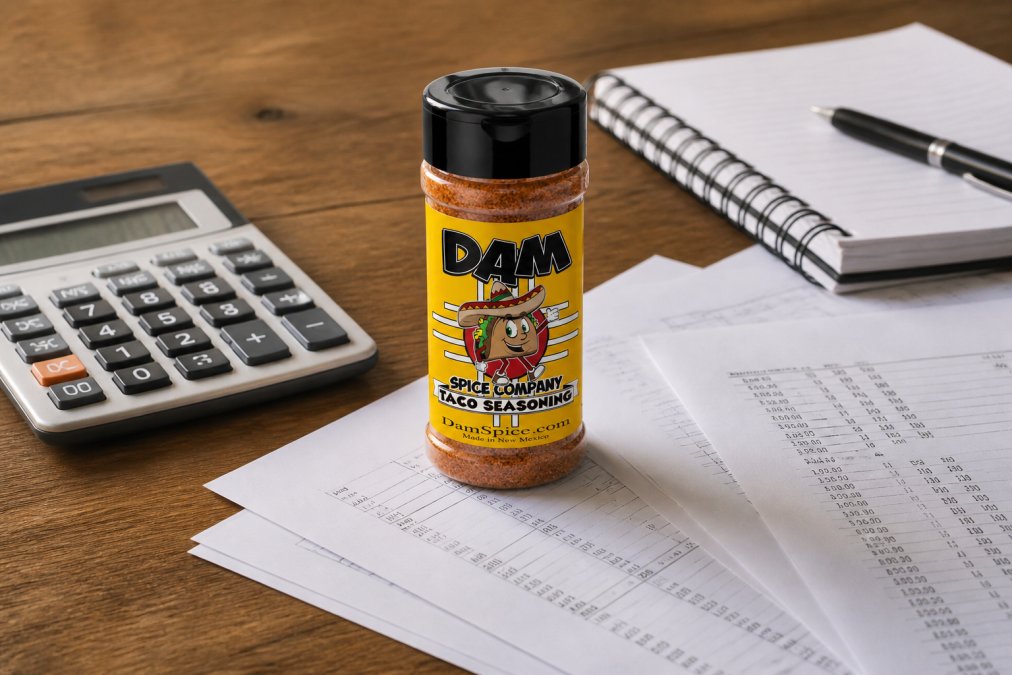
The real cost breakdown reveals several layers. First, there's the sourcing: artisanal producers source premium, non-GMO ingredients from specific regions known for superior flavor profiles. These aren't generic commodity spices that come from the cheapest supplier. They're selected for potency, color, and aromatic quality, which means paying a premium upfront.
Then comes the production itself. Unlike mass manufacturing operations that blend thousands of pounds daily, small-batch producers hand-blend in smaller quantities. This labor-intensive approach means every jar receives actual human attention. The cost per unit stays higher because you're not spreading labor costs across millions of units.
Ingredient Sourcing and Premium Quality
Sourcing premium ingredients is where artisanal spice blends diverge most sharply from mass-market alternatives. Dam Spice Company sources New Mexico chiles directly from regional growers who've perfected cultivation over generations. These aren't interchangeable commodities, they're specific varietals with distinct flavor profiles and heat levels.
Sustainably sourced ingredients cost more because they require different farming practices. Instead of maximizing yield through industrial methods, premium producers prioritize soil health, harvest timing, and post-harvest handling. A grower willing to hand-harvest green chiles at peak ripeness rather than machine-harvest everything at once has higher labor costs. That investment shows up in the final product's flavor complexity and shelf stability.
The volatile oils that give spices their punch degrade over time. Premium sourcing means working with suppliers who understand proper drying, storage, and handling to preserve these oils. Commodity spices often lose potency during long supply chains, they arrive at your cabinet already degraded. Artisanal producers manage this by working with shorter supply chains and fresher inventory rotation.
Non-GMO verification and food safety compliance add another layer of cost. Artisanal producers document their entire supply chain, which requires third-party testing and certification. Mass producers achieve cost savings by operating at scale where these per-unit compliance costs become negligible. Small-batch producers can't achieve that economy.
Labor-to-Value: The Hand-Blending Factor
This is the part most guides miss: hand-blending isn't romantic nostalgia, it's a deliberate quality control mechanism that costs real money.
When a small-batch producer hand-blends spice blends, they're doing something a machine can't: adjusting ratios in real-time based on the specific batch of ingredients in front of them. One harvest of New Mexico red chiles might be slightly more potent than the last. A hand-blender tastes, adjusts, and ensures consistency. A machine just follows a preset formula, regardless of ingredient variation.
This labor-intensive approach means artisanal spice blends command a higher price because you're paying for human expertise. A skilled blender with years of experience costs more than a factory worker monitoring an automated line. The knowledge required to understand how different chiles interact with cumin, how black pepper's heat develops over time, and how to balance smoky notes with spicy heat, that's expertise with real value.
Small-batch production also means higher waste. When you're hand-blending in smaller quantities, you have less opportunity to use every fraction of an ingredient. Broken pieces or slightly off-spec items might be discarded rather than blended in. Mass producers use every bit because they have systems to work with imperfect materials at scale.
Small-Batch Production vs. Mass Manufacturing
The production scale difference fundamentally changes economics. A mass manufacturer running 24/7 spreads fixed costs across millions of units. A small-batch producer making 500 jars per week spreads those same overhead costs across a tiny fraction of units.
Consider packaging alone. A mass manufacturer orders 5 million labels at once, getting a per-unit cost of pennies. A small-batch producer orders 10,000 labels and pays substantially more per unit. Multiply this across jars, caps, boxes, and labels, the per-unit packaging cost for artisanal products can be 5-10 times higher than mass-produced equivalents.
Ingredient purchasing follows the same pattern. A commodity spice supplier buying 100,000 pounds of cumin gets wholesale pricing that a small producer buying 500 pounds simply can't access. The small producer pays a higher per-pound cost, but they're paying for fresher inventory and better quality control.
The difference in shelf stability also matters. Mass-produced spices often include anti-caking agents, preservatives, and flow agents to ensure they survive months in warehouses and store shelves. Artisanal spice blends typically contain only the spices themselves, no additives. This means they require more careful storage and have a shorter optimal window, which increases waste and requires more frequent production runs.
Small-batch production also means less ability to negotiate with suppliers. A large manufacturer can demand favorable terms because of volume. A small producer takes what's available at market rates, which are typically higher for premium ingredients.
Benefits of All-Natural Spice Blends
All-natural spice blends offer something mass-produced alternatives can't: transparency and ingredient integrity. When you buy all-natural spice blends from a producer like Dam Spice Company, you know exactly what's in the jar because there's nothing hidden behind "natural flavoring" or "spice blend" labels.
The flavor profile difference is immediate. Volatile oils, the aromatic compounds that make spices taste like something, degrade when exposed to heat, light, and air (peer-reviewed research). Mass-produced spices sit in warehouses and on store shelves losing potency. Artisanal producers minimize this degradation through careful storage and faster turnover.
For home cooks, this means your food tastes better with less seasoning. A tablespoon of fresh artisanal spice blend delivers more flavor impact than two tablespoons of commodity spices. You're not paying for filler, you're paying for actual flavor density.
All-natural also means no MSG, no gluten, no artificial additives (the FDA). For people with sensitivities or who simply prefer to know what they're eating, this matters. You're not guessing whether "natural flavoring" contains something that will trigger a reaction. You see the ingredients and you know.
How to Store Spice Blends for Freshness
Proper storage directly impacts how long your artisanal spice blends maintain their potency and flavor. Unlike mass-produced spices engineered to survive poor storage conditions, all-natural spice blends require intentional care.
The primary enemies are heat, light, and air. Store your spice blends in airtight containers away from direct sunlight. A dark cabinet above the stove is better than an open rack next to the window, but an even better option is a cool, dark drawer away from appliances that generate heat.
Glass jars with tight-sealing lids work better than plastic. Glass doesn't absorb odors or interact with the spices, and it protects against light better than clear plastic. Opaque containers are ideal, they block light while maintaining the airtight seal.
Temperature stability matters more than you'd expect. Spices stored in a pantry that experiences temperature swings from cooking heat will degrade faster than spices stored in a consistently cool space. The volatile oils that give spices their punch are sensitive to temperature fluctuations.
Most artisanal spice blends stay fresh for 6-12 months when stored properly (usda.gov). You'll notice when they're losing potency, the aroma becomes muted and you need more seasoning to achieve the same flavor impact. This is why proper storage extends the value of your investment.
Label your jars with the purchase date. Unlike mass-produced spices designed to last indefinitely, all-natural spice blends have a real shelf life. Knowing when you bought them helps you use them at their peak rather than wondering why last month's jar tastes different from this month's.
Where to Buy All-Natural Spice Blends Online
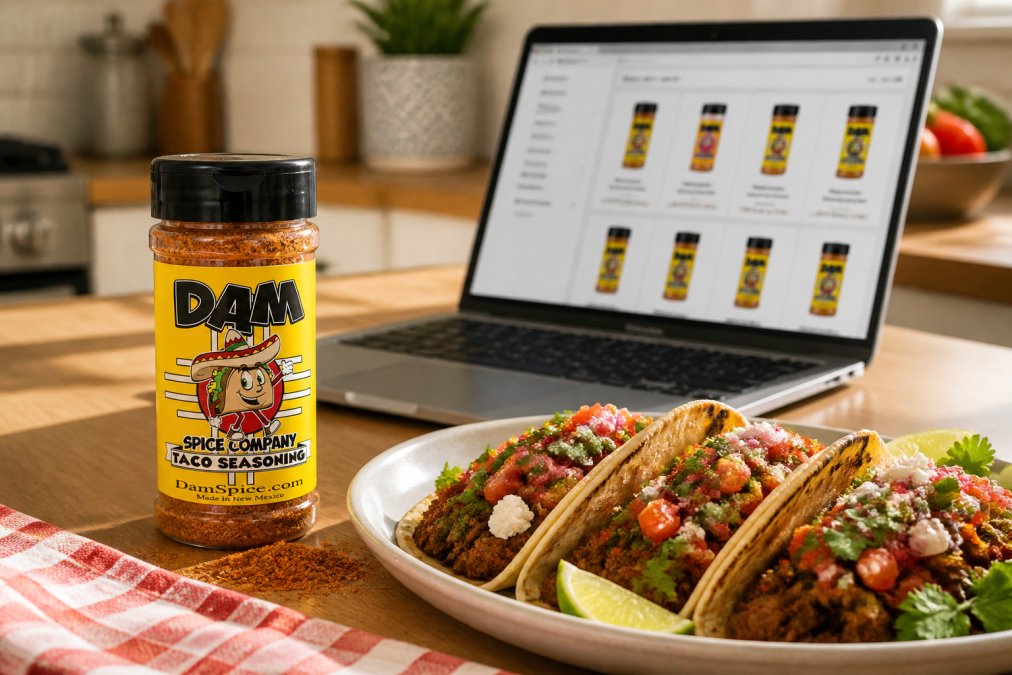
Finding quality all-natural spice blends online requires knowing what to look for. The best online retailers are those who source directly and can explain their supply chain. Dam Spice Company, for example, sources New Mexico chiles directly from regional growers and blends everything in-house, giving you complete transparency about what's in every jar.
When shopping online, check the ingredient list first. If you see "natural flavoring," "anti-caking agents," or any ingredient you can't pronounce, that's a sign the producer is using additives. Genuine all-natural spice blends list only spices and salt, nothing more.
Look for producers who offer smaller sizes if you're trying something new. Dam Spice Company's offerings like the Taco Seasoning at $7.99 and Bee Sting at $7.99 let you experiment without committing to full-size jars. This matters because flavor preferences are personal, what works for barbecue enthusiasts might not work for someone making weeknight tacos.


Direct-to-consumer online retailers typically offer better value than specialty food stores because they eliminate middlemen. You're buying from the producer rather than paying markup through a distributor. This is where artisanal spice blends make the most financial sense.
Check shipping policies. Spices are lightweight and ship easily, so most online retailers offer reasonable shipping. Some offer free shipping above a minimum order, buying multiple blends at once can reduce your per-jar cost and ensure you always have fresh seasoning on hand.
Read customer reviews, but look specifically for comments about flavor intensity and freshness. Generic praise ("tastes great") is less useful than specific feedback ("finally found a taco seasoning that doesn't taste like salt"). This tells you whether the producer is actually delivering on the quality promise.
Premium Pricing Reflects Supply Chain Transparency
What separates artisanal spice blends from commodity alternatives isn't just quality, it's accountability. When you pay premium prices, you're paying for a producer who can tell you exactly where each ingredient came from and how it was handled.
Dam Spice Company's commitment to sourcing New Mexico chiles directly from regional growers means they can trace every batch. They know which farms produced the ingredients, what farming practices were used, and how the chiles were dried and stored. This traceability costs money because it requires documentation, testing, and relationships with specific suppliers rather than buying from anonymous commodity brokers.
Supply chain transparency also means higher quality control. When a mass producer sources from multiple suppliers competing on price, quality varies batch to batch. An artisanal producer working with the same suppliers maintains consistency because they've established relationships and standards.
This transparency matters for food safety. If there's ever a contamination issue, artisanal producers can identify exactly which batch was affected and trace it to its source. Commodity suppliers often can't, they've blended ingredients from dozens of sources into massive batches.
The price premium also reflects ethical sourcing. Artisanal producers who work directly with farmers can ensure fair pricing and sustainable practices. Mass producers buying at commodity prices often can't guarantee these conditions. If fair-trade sourcing or environmental sustainability matters to you, that's what you're paying for in the premium price.
Conclusion
The higher cost of artisanal spice blends reflects genuine differences in ingredients, labor, production methods, and supply chain accountability. You're not paying for marketing, you're paying for flavor intensity, ingredient integrity, and the knowledge that your food contains exactly what the label says it does.
If you're ready to experience the difference premium seasoning makes, start with Dam Spice Company's Green Chile Blend at $9.99 or the Hatch Green Chili. Both deliver authentic New Mexico flavor with no additives, giving you the bold, savory notes that transform everyday meals into something memorable.

Frequently Asked Questions
What factors contribute to the price of artisanal spice blends?
Artisanal spice blends cost more because of premium ingredient sourcing, hand-blending processes, small-batch production runs, and rigorous quality control. Unlike mass-manufactured spices, artisanal producers source non-GMO and sustainably sourced ingredients, which carry higher unit costs. Labor-intensive hand-blending preserves volatile oils that deliver authentic flavor profiles, and the overhead of small-batch production means fewer units spread across fixed costs. Packaging and food safety compliance also factor in, but the primary driver is ingredient quality and the craftsmanship required to maintain consistent flavor.
Are all-natural spice blends healthier than mass-produced versions?
All-natural spice blends contain no artificial additives, MSG, or fillers commonly found in mass-produced seasonings, making them a cleaner choice for health-conscious cooks. While spices themselves are naturally low-calorie, all-natural blends avoid synthetic preservatives and anti-caking agents. The real benefit is flavor purity, natural spice blends deliver authentic taste without chemical enhancement, so you control exactly what goes into your food. For those with sensitivities or dietary restrictions, all-natural options provide transparency and peace of mind about ingredient sourcing.
Is it worth buying more expensive spices?
Yes, if you cook regularly and value flavor. Premium artisanal spice blends deliver bolder, more complex taste profiles because they preserve volatile oils lost in mass production. A single jar of gourmet seasoning like our Taco Seasoning or Hatch Green Chili can transform weeknight dinners and barbecue, meaning you use less per dish while achieving superior results. The shelf stability of quality blends also means they retain potency longer, so you get better value over time. For home cooks serious about elevating everyday meals, the investment pays off in taste and satisfaction.
How does small-batch production affect the quality of seasonings?
Small-batch production preserves the integrity of spice blends by maintaining tighter control over ingredient ratios, freshness, and flavor consistency. Hand-blended seasonings allow producers to inspect each component for quality and adjust recipes based on seasonal variations in ingredient potency. Mass manufacturing prioritizes speed and shelf life over flavor, often using older spices or fillers to meet volume targets. Small-batch runs mean fresher products reach your kitchen faster, and the direct relationship between producer and ingredient sourcing ensures every jar meets exacting standards for authentic Southwest flavor and culinary performance.
This article was written using GrandRanker