

Why Choose Additive-Free Spice Blends
Table of Contents
- What's Really in Commercial Spice Blends
- Why Additive-Free Spice Blends Make a Real Difference
- How to Read Spice Labels for Hidden Ingredients
- Simple Weeknight Dinner Seasoning Ideas
- Best Practices for Storing Natural Spice Blends
- The Health and Environmental Case for Clean Spices
- Conclusion
Last Updated: August 21, 2026
What's Really in Commercial Spice Blends
Most people don't realize what they're shaking onto their food. Commercial spice blends often contain far more than the spices listed on the front of the jar. Anti-caking agents, flow improvers, and preservatives fill the ingredient list, transforming what should be pure flavor into a chemistry experiment.
Mass-produced spices are manufactured and stored with moisture clumping as a practical challenge, so manufacturers add anti-caking agents like silicon dioxide or calcium silicate to keep everything flowing smoothly. Beyond these, many commercial blends include synthetic dyes for color consistency, MSG or other flavor enhancers to mask inferior spice quality, and preservatives that extend shelf life far beyond what natural spices need. You're paying for volume, not quality.
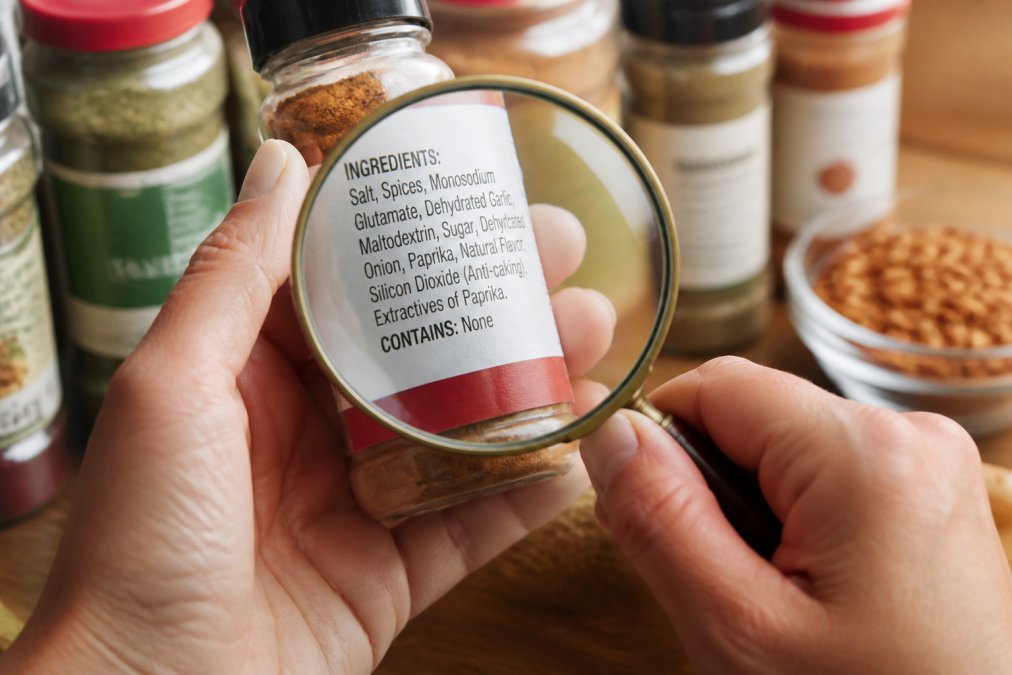
The real issue isn't that these additives are necessarily dangerous in small quantities. The issue is transparency and choice. You should know exactly what you're buying. When you choose additive-free spice blends, you're choosing to know what's actually going into your body and your food.
At Dam Spice Company, we approach this differently. Our additive-free spice blends contain nothing but the spices themselves, no anti-caking agents, no synthetic dyes, no hidden fillers. When you open a jar, you're getting the authentic Southwest flavors we've sourced and blended, nothing else.
Why Additive-Free Spice Blends Make a Real Difference
Choosing additive-free spice blends delivers benefits that go beyond avoiding unwanted ingredients. The difference shows up in flavor chemistry, in how your body processes the food, and in the overall quality of your cooking.
The chemistry of flavor masking and why additives hide quality
When manufacturers add anti-caking agents like silicon dioxide or calcium silicate, they alter how flavor compounds reach your palate. These fine particles can coat spice particles, creating a physical barrier that mutes the volatile aromatic compounds responsible for taste and smell. Manufacturers then compensate by adding MSG or other flavor enhancers to mask the reality that the underlying spices are lower quality.
Premium spices contain higher concentrations of essential oils, the compounds that create flavor and aroma. When you use additive-free blends made from high-quality spices, those essential oils are unobstructed. A pure New Mexico chile blend delivers the full spectrum of capsaicinoids and aromatic esters without chemical interference.
This matters for your cooking because you're working with actual flavor compounds, not a masked approximation. With additive-free spice blends, you need less seasoning to achieve the same flavor impact because nothing is diluting the active compounds.
How additives affect digestion and nutrient absorption
Beyond taste, the additives in commercial spice blends can affect how your digestive system processes food. Silicon dioxide and calcium silicate pass through your system largely unabsorbed, serving no nutritional purpose.
Spices themselves contain bioactive compounds with documented health benefits. Curcumin in turmeric has been studied for anti-inflammatory properties (peer-reviewed research). Capsaicin in chiles may support metabolism (peer-reviewed research). Cinnamon contains polyphenols linked to blood sugar regulation (peer-reviewed research). When you use additive-free spice blends, you're consuming these compounds without the interference of flow agents or preservatives that can affect how your gut processes them.
For people with sensitive digestion, inflammatory conditions, or those managing specific health goals through diet, this distinction matters.
Cleaner flavor without chemical masks
Premium spices don't need enhancement; they deliver bold, complex flavor on their own. Additive-free blends let the actual spices speak. You taste the real smokiness, the actual heat, the genuine depth of the flavor profile.
This matters for your cooking because authentic flavor gives you more control. A barbecue rub that's pure New Mexico chiles and spices performs differently than one padded with fillers and flavor enhancers. You get the bold, savory notes you're actually looking for.
What you're actually putting in your body
Every ingredient in an additive-free spice blend serves a purpose: flavor. Nothing is there to improve shelf stability, prevent clumping, or extend warehouse life.
For people managing gluten sensitivity, MSG sensitivity, or other dietary restrictions, this distinction is critical. Commercial spice blends sometimes contain hidden gluten in anti-caking agents or in how they're processed. They might include MSG under different names like "hydrolyzed vegetable protein" or "autolyzed yeast extract." Additive-free blends eliminate that guesswork. You know exactly what's there.
How to Read Spice Labels for Hidden Ingredients
Learning to decode spice labels is the first step toward choosing additive-free spice blends consistently. Start by reading the ingredient list from top to bottom. Ingredients are listed by weight, so the first items make up the bulk of what you're buying.
Watch for vague language. Terms like "natural flavor" or "spice blend" without specifics can hide additions. The best labels list every spice individually: "chiles, cumin, garlic, oregano, salt." That transparency tells you the manufacturer stands behind the product.
Look for certifications that indicate quality control. While certifications aren't required for additive-free products, they can provide assurance. Some producers pursue organic certification or gluten-free certification.
Pay attention to what's NOT on the label. If you don't see "MSG," "monosodium glutamate," or "flavor enhancers," that's a positive indicator. If you don't see anti-caking agents listed, the manufacturer is managing moisture through proper storage and packaging instead of chemical additives.
The simplest rule: if you can't identify every ingredient as an actual food, the blend probably contains additives.
Simple Weeknight Dinner Seasoning Ideas
Additive-free spice blends work perfectly for everyday cooking. For weeknight tacos, use a simple additive-free blend of cumin, chiles, garlic, and oregano. The advantage of a clean blend is that you can taste each component without fighting through fillers or flavor enhancers.
Roasted vegetables become memorable when you season them with additive-free spice blends. Toss your vegetables in oil, add a Southwest-inspired blend, and roast. The pure spices caramelize with the natural sugars in the vegetables, creating depth and complexity.
For grilled chicken or fish, additive-free rubs create a flavorful crust without any chemical taste lingering in the background. Simple rice dishes transform with additive-free seasoning. Mix rice with broth, add a clean spice blend, and let it cook. The result is rice that actually tastes like something.
The practical advantage for weeknight cooking: you need less seasoning to achieve the flavor you want. Additive-free blends are more concentrated in actual flavor, so a teaspoon delivers more impact than a teaspoon of a heavily processed alternative.
Best Practices for Storing Natural Spice Blends
Additive-free spice blends require slightly more attention to storage than heavily processed alternatives. Store them in airtight containers, away from direct light and heat. A cool, dark cabinet away from the stove is ideal.
Glass jars with tight-sealing lids work well. Avoid plastic containers for long-term storage because they can absorb odors and flavors. Label everything with the purchase date so you know how long you've had the blend. Most additive-free spice blends stay at peak flavor for 6-12 months with proper storage.
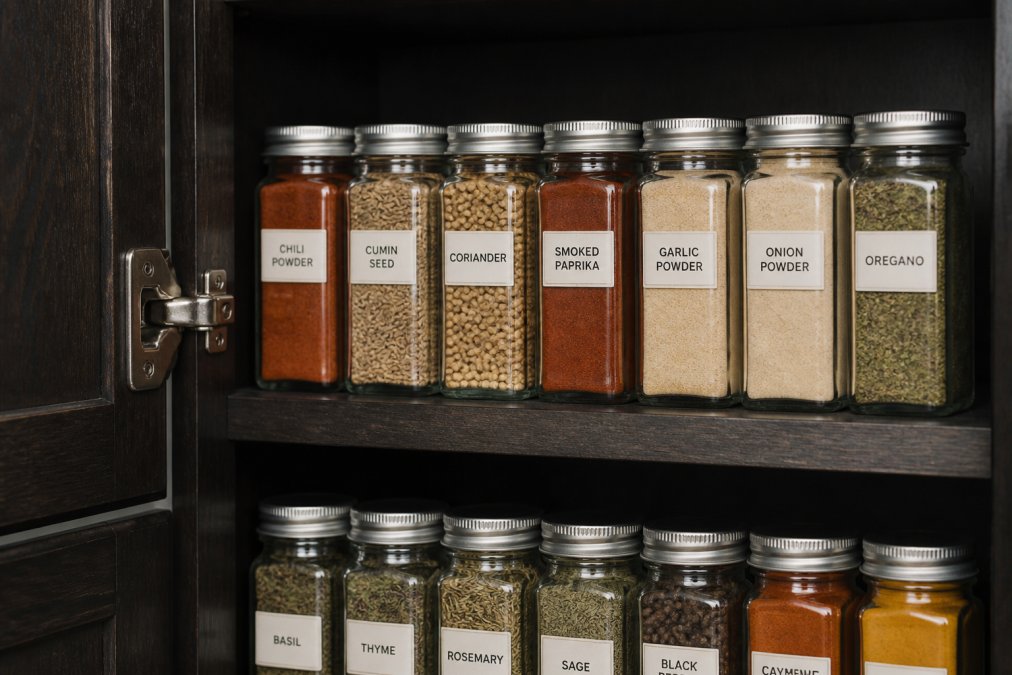
Moisture is the primary concern with additive-free blends. Never use a wet spoon to scoop from the jar. Use a dry spoon every time, or pour the spice directly into your measuring spoon before adding to your dish.
Buy smaller quantities more frequently rather than stockpiling large amounts. Additive-free spice blends are fresher when used within their peak window. Consider storing backup supplies in the freezer if you want to extend shelf life significantly. Just ensure the container is airtight to prevent moisture from affecting the blend.
The Health and Environmental Case for Clean Spices
The choice to use additive-free spice blends connects to broader questions about what we put in our bodies and what we support with our purchasing decisions.
How additive-free sourcing reduces chemical load in the supply chain
Mass-produced spice blends that rely on anti-caking agents and preservatives typically come from supply chains optimized for long-distance shipping and extended warehouse storage. This optimization requires chemical interventions at multiple stages: fungicides and pesticides during cultivation, fumigation during storage, and additives during processing.
Additive-free spice producers prioritize shorter supply chains and faster turnover. Spices move from harvest to processing to packaging to your kitchen within weeks rather than months. This speed eliminates the need for many preservatives and anti-caking agents. When you choose additive-free spice blends, you're supporting production methods that use fewer chemical inputs overall.
Environmental impact of fillers and unnecessary ingredients
Commercial spice blends often contain fillers, cheap ingredients like salt, dextrose, or cellulose that bulk up the product without adding flavor. These fillers increase packaging weight and transportation volume for ingredients that provide no culinary value. A 2-ounce jar of a conventional blend might contain 30% filler by weight.
Additive-free spice blends eliminate this waste. Every gram in the jar is an actual spice. This efficiency reduces transportation emissions per unit of usable spice and reduces packaging waste.
Additive-free producers typically work with fewer, higher-quality suppliers rather than sourcing from multiple commodity markets. This consolidation reduces the number of shipments, the complexity of the supply chain, and the associated carbon emissions.
Sustainable sourcing practices and transparency
Additive-free spice producers often pursue certifications that verify sustainable sourcing practices. Organic certification prohibits synthetic pesticides and fungicides. Farms must maintain soil health through crop rotation and natural pest management. This approach reduces chemical runoff into water systems and supports biodiversity in farming regions.
Fair Trade certification verifies that farmers receive fair compensation and work under safe conditions. This incentivizes long-term farming relationships rather than commodity-market volatility. Stable, well-compensated farming communities are more likely to invest in sustainable practices.
Transparency in sourcing is another marker of environmental commitment. Producers who can tell you exactly where their chiles come from, which farms grew them, and how they were processed are demonstrating accountability.
The cumulative health and quality-of-life argument
From a health perspective, additive-free spice blends eliminate unnecessary synthetic compounds from your diet. Choosing additive-free spice blends is one practical way to reduce cumulative chemical load. When you multiply this choice across thousands of consumers, the environmental impact becomes significant.
Cooking with spices that taste like authentic flavor makes everyday meals feel more intentional. You're not just feeding yourself; you're engaging with real ingredients and real flavors. Knowing that your choice supports more sustainable agricultural practices adds another layer of satisfaction to that engagement.
Frequently Asked Questions
What are the most common additives found in commercial spice blends?
Many mass-produced spice blends contain anti-caking agents like silicon dioxide, flow agents, and preservatives to extend shelf life. Some include monosodium glutamate (MSG) for flavor enhancement, synthetic dyes for color, and fillers to increase volume. Additive-free spice blends eliminate these extras, delivering pure spice without the chemical additions that mask authentic flavor.
How do I know if a spice blend is truly additive-free?
Check the ingredient label carefully. Additive-free spice blends list only the actual spices and herbs used, with no anti-caking agents, preservatives, or flavor enhancers. Look for simple ingredient lists where you recognize every item. Certifications like organic or non-GMO can signal quality, but the label itself is your best guide. If you see vague terms like 'natural flavoring' or 'spice blend,' ask the producer for a full breakdown.
Do additive-free spices really taste better than conventional brands?
Yes. Additives often mask or alter the natural flavor profile of spices. When you remove anti-caking agents and flavor enhancers, you taste the pure aromatic compounds and complex notes that make each spice unique. Many home cooks report that additive-free blends deliver bolder, more authentic flavors that require less seasoning overall to achieve the same depth in dishes.
Are additive-free spice blends more expensive?
Additive-free spices typically cost more per unit because they contain no fillers and are sourced with stricter quality control. However, because they're more potent and flavorful, you often use less per meal, which can balance the higher upfront cost. Consider the value of cleaner ingredients and superior taste rather than price alone.
This article was written using GrandRanker