

Why Traditional New Mexico Cooking Uses Specific Spices
Table of Contents
- The Culinary Heritage Behind New Mexico's Spice Traditions
- Understanding New Mexico Chile Heat Levels and Flavor Profiles
- Essential Aromatics and Base Spices in Southwest Cuisine
- How to Use Dried Chile Pods in Authentic Recipes
- Beef Jerky New Mexico Style: Spice Selection and Tradition
- The Medicinal and Preservative Properties of Traditional Spices
- Building Your Authentic New Mexico Spice Cabinet
- Frequently Asked Questions
Last Updated: October 2, 2026
The Culinary Heritage Behind New Mexico's Spice Traditions
Why traditional New Mexico cooking uses specific spices isn't just about flavor, it's about survival, culture, and centuries of adaptation. The spices you find in authentic Southwest cuisine weren't chosen randomly.
New Mexico's spice traditions emerged from a collision of three worlds: Indigenous peoples cultivated chile peppers for thousands of years, Spanish colonizers brought cumin, oregano, and garlic, and Mexican influences added complexity with varieties like Chimayó and jalapeño.
The chile pepper became the foundation, not a condiment, but a staple crop that defined the region's entire food culture.
Understanding New Mexico Chile Heat Levels and Flavor Profiles
The heat in New Mexico cooking is about balance: it should build gradually, allowing other flavors to shine through first, rather than overwhelming the palate immediately.
Red vs. Green Chile: Heat and Taste Differences
Red and green chiles come from the same plant at different harvest stages. Green chiles, picked early, deliver fresher, herbaceous heat with grassy undertones. Red chiles, left longer to develop sugars and capsaicin, offer deeper, smokier flavor with more pronounced heat.
Red chiles range from medium to hot; green chiles vary widely by variety.
Green chile works better in fresh applications, salsas, and quick-cooking dishes. Red chile shines in slow-cooked stews and base sauces that simmer for hours.
The Role of Capsaicin in Traditional Cooking
Capsaicin creates heat, but in traditional New Mexico cooking it's far more than a spice indicator.
Capsaicin wasn't chosen because people liked pain, but because it kept food safe, made the body work efficiently, and added flavor complexity that made limited ingredients feel abundant.
Moderate capsaicin opens taste receptors, making subtle notes more apparent, while too much overwhelms everything. This is why authentic recipes balance heat with aromatics like cumin and oregano, the spices work together, not against each other.
Essential Aromatics and Base Spices in Southwest Cuisine
Traditional New Mexico cooking relies on specific aromatics and spices that create the foundation for nearly every dish.
Cumin is non-negotiable, earthy, slightly nutty, adding depth without overpowering. Mexican oregano (different from Mediterranean varieties) brings citrusy, minty notes. Garlic and onion provide the aromatic base.
Cloves and peppercorn appear in smaller quantities but are critical, adding spice without heat and creating layers that develop as you eat.
Home cooks often treat aromatics as optional or interchangeable, they're neither. Using garlic powder instead of sautéing fresh garlic loses caramelization that builds flavor. Skipping bay leaf makes sauce taste flat.
Dam Spice Company's blends like Tres Amigos combine these traditional aromatics with authentic New Mexico chiles, red Chimayó, jalapeño, and green chile, creating the exact flavor profile that defines Southwest cooking without requiring you to source and blend individual spices.

How to Use Dried Chile Pods in Authentic Recipes
Preparing Dried Chiles for Maximum Flavor
Dried chiles aren't meant to be ground and sprinkled directly onto food. That approach wastes their potential.
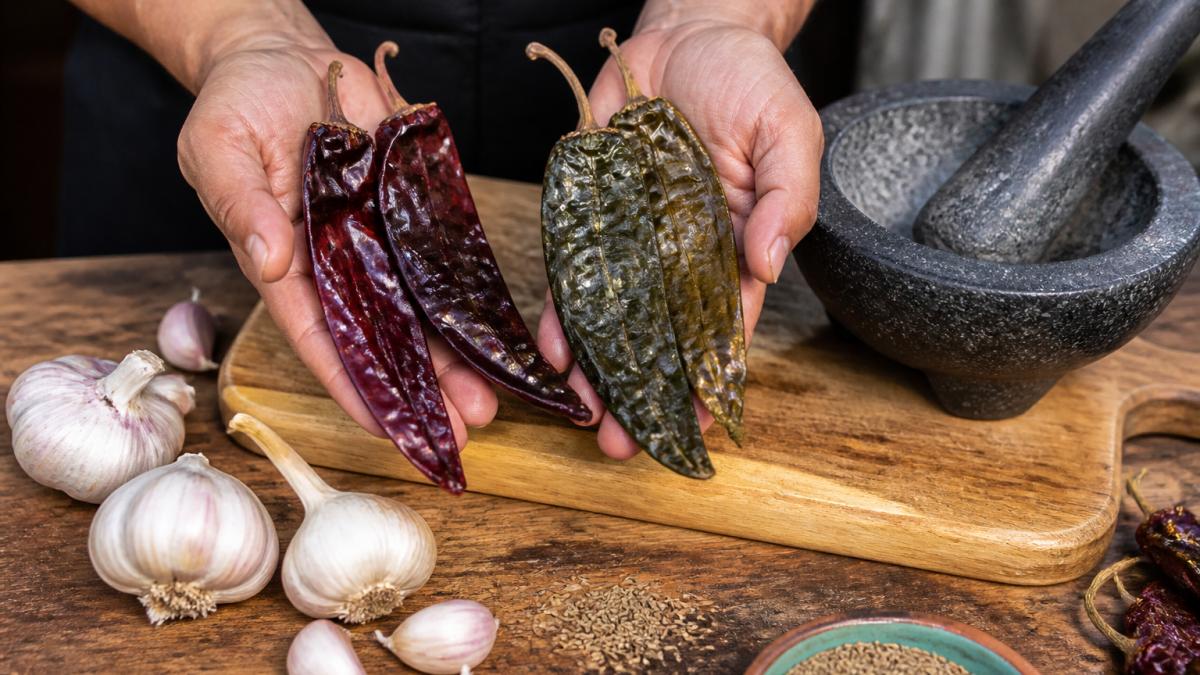
Toast dried chiles in a dry skillet over medium heat for 30 seconds per side to awaken oils and deepen flavor. Then soak in hot water for 15-20 minutes until soft enough to handle.
Remove stems and seeds (seeds contain concentrated heat). Blend softened chiles with soaking liquid, garlic, and aromatics to create a smooth paste that becomes your base sauce.
The traditional approach takes time. You're creating a foundation that carries the entire dish.
Creating Base Sauces and Blending Techniques
A proper New Mexico base sauce starts with sautéed aromatics: heat oil or lard, add diced onion and garlic, and cook until softened and fragrant.
Add chile paste and cook 2-3 minutes, stirring constantly. Add broth (chicken, beef, or vegetable) and simmer 20-30 minutes with cumin, oregano, and bay leaves. Taste and adjust seasoning as you go.
Create a thick sauce that coats meat or vegetables, with body from chile solids. Simmer longer if too thin; add broth if too thick.
Red chile sauce is richer, better for stews and slow-cooked meats. Green chile sauce is brighter, works better with chicken or fish.
Beef Jerky New Mexico Style: Spice Selection and Tradition
Beef jerky in the New Mexico tradition historically relied on spice blends' antimicrobial properties for shelf-stability. Today, it's about creating a complex, satisfying snack that represents the region's culinary identity.
The spice selection for beef jerky new mexico style differs from fresh cooking. You need spices that intensify as the meat dries. Ground chiles work better than whole ones because they penetrate the meat evenly.
The heat level matters. Traditional New Mexico jerky uses a medium heat, enough to be noticeable, not so much that it overwhelms the meat's natural flavors. This is where blends like Dos Rojos excel. The combination of red chile and red jalapeño creates heat that builds gradually, with the underlying spice complexity coming from cumin and the other aromatics.

The preparation process is straightforward: slice meat thin, coat evenly with your spice blend, and dry low and slow. The spices form a crust that protects the meat while concentrating its flavors. What emerges tastes like the Southwest.
The Medicinal and Preservative Properties of Traditional Spices
Understanding why traditional New Mexico cooking uses specific spices requires understanding their practical benefits beyond flavor. These weren't luxury ingredients, they were survival tools.
Capsaicin, the compound in chile peppers, has antimicrobial properties that inhibit bacterial growth (pubmed.ncbi.nlm.nih.gov). The same applies to cumin and oregano, both of which have compounds that slow microbial activity.
These properties also support digestion. The spices stimulate gastric secretions, helping your body break down heavy proteins and fats (pubmed.ncbi.nlm.nih.gov).
The heat from capsaicin increases circulation and metabolism. Modern science confirms what traditional cooks knew through experience: these spices do something.
Beyond digestion and preservation, the spices have anti-inflammatory properties. Cumin has been used in traditional medicine for centuries. Oregano contains compounds that reduce inflammation.
This is important context for why these specific spices persist.
Building Your Authentic New Mexico Spice Cabinet
If you want to cook authentic New Mexico food, you need the right spices on hand.
| Essential Spice | Form | Purpose | Storage |
|---|---|---|---|
| Red chile | Whole pods or powder | Base for sauces, rubs | Cool, dry place, 6-12 months |
| Green chile | Whole, roasted, or powder | Salsas, fresh dishes | Refrigerate fresh, freeze long-term |
| Cumin | Whole seeds or ground | Aromatic depth | Airtight container, 6 months |
| Oregano | Dried leaves | Complexity, brightness | Airtight container, 6 months |
| Garlic | Fresh cloves or powder | Aromatic base | Cool, dark place for fresh |
| Bay leaves | Whole dried | Subtle depth | Airtight container, 1 year |
| Black peppercorn | Whole | Sharp bite, heat balance | Airtight grinder, 1 year |
| Cloves | Whole | Spice without heat | Airtight container, 1 year |
Start with whole spices when possible. Whole cumin seeds stay fresher longer than ground cumin. Whole peppercorns can be ground fresh.
For chiles, buy whole dried pods if you have access. They keep longer, rehydrate better, and taste more complex than pre-ground chile powder.
The Christmas blend from Dam Spice Company combines red and green chile powder with the essential aromatics, creating a ready-to-use base that captures the traditional flavor profile.

Store everything in airtight containers away from heat and light.
Traditional New Mexico cooking uses specific spices because those spices solved real problems: preservation, nutrition, and flavor complexity with limited ingredients.
When you reach for authentic New Mexico spices, you're connecting to that heritage. Whether you're building a sauce from whole dried chiles or using a carefully crafted blend like Taco Seasoning for weeknight cooking, you're participating in a culinary tradition that values depth, balance, and the interplay between heat and flavor. That's what makes the difference between cooking with spices and cooking with purpose.
Frequently Asked Questions
What makes New Mexico chile peppers unique compared to other varieties?
New Mexico chiles are prized for their balanced heat and earthy, slightly smoky flavor profile that comes from the region's terroir, the specific climate, altitude, and soil conditions. Unlike generic chili powder, authentic New Mexico red and green chiles deliver complex flavor layers without overwhelming heat. The green chiles, picked young, offer a fresh, grassy note with moderate pungency, while red chiles develop deeper, more concentrated flavors as they mature and dry. This balance of heat and flavor is why traditional New Mexico cooking relies so heavily on these specific peppers.
How do New Mexico chile heat levels compare to cayenne pepper?
New Mexico chiles typically range from 1,000 to 2,000 Scoville heat units, making them milder than cayenne pepper, which measures 30,000 to 50,000 SHU. This lower pungency is intentional in traditional New Mexico cooking, the goal is to build flavor depth and regional identity rather than maximum heat. Green New Mexico chiles are even milder, around 1,500 SHU, while red varieties concentrate slightly more capsaicin as they dry. For authentic Southwestern dishes, this gentler heat level allows other aromatics like cumin, oregano, and garlic to shine without being masked by intense spice.
Why is the drying process important for traditional New Mexico spice development?
Drying concentrates the flavors and preservative compounds in chiles, deepening their earthy, smoky character while reducing moisture that could cause spoilage. Dried chiles also have a longer shelf life, making them practical for year-round cooking and storage, a crucial factor in traditional food preservation before modern refrigeration.
What's the difference between New Mexico chile powder and generic chili powder?
Authentic New Mexico chile powder is made from a single chile variety, delivering pure, concentrated flavor with minimal additives. Generic chili powder is typically a blend containing chile pepper, cumin, garlic powder, and other fillers, diluting the chile's unique terroir and flavor profile.