

Dry Rub vs Wet Marinade for Steak
Table of Contents
- Dry Rub vs Wet Marinade: Quick Comparison
- What Is a Dry Rub?
- What Is a Wet Marinade?
- How to Apply Dry Rub to Steak
- How Long to Marinate Steak
- Steak Seasoning Best Practices
- Best Cuts for Each Method
- Pros and Cons of Dry Rubs
- Frequently Asked Questions
Last Updated: September 20, 2026
Dry Rub vs Wet Marinade: Quick Comparison
Understanding dry rub vs wet marinade shapes everything that follows. It's about matching the method to your cut, your timeline, and what flavor profile you're chasing.
A dry rub relies on salt, spices, and surface seasoning to build crust formation and flavor punch, while a wet marinade uses a liquid base with acidic ingredients to penetrate deeper into the meat and tenderize protein structure. They work in fundamentally different ways, and knowing when to use each one separates mediocre steaks from memorable ones.
Dry rubs excel at creating a flavorful crust through osmosis and caramelization. Wet marinades penetrate deeper, tenderize through enzymatic breakdown, and work best when you have time.
| Method | Best For | Time Required | Flavor Depth | Crust Quality |
|---|---|---|---|---|
| Dry Rub | Quick cooking, premium cuts | 15 minutes to overnight | Surface-focused | Excellent |
| Wet Marinade | Tougher cuts, maximum tenderness | 4-24 hours | Deep penetration | Good |
What Is a Dry Rub?
A dry rub is a blend of salt, spices, and seasonings applied directly to the meat's surface. The salt draws moisture to the surface through osmosis, which then reabsorbs into the meat along with the spice blend. This dry brining process enhances flavor infusion at the surface level while maintaining the meat's natural juices.
When heat hits the steak, the spices undergo the Maillard reaction, where amino acids and sugars combine to create hundreds of new flavor compounds (Maillard Reaction: Mechanism, Influencing Parameters, Advantages, Disadvantages, and Food...). This produces the dark, flavorful crust that defines a great steak. The rub doesn't penetrate deeply like a marinade, but creates texture enhancement and bold flavor right where you taste it first.
How Dry Rubs Create Crust Formation
Salt in the rub dissolves from the meat's natural moisture, creating a brine that seasons the outer layer. As the steak cooks and surface moisture evaporates, the spices caramelize and form a crust. A proper crust adds contrast to the meat's interior and concentrates savory notes that a wet marinade can't achieve.
Apply a dry rub 15 minutes before cooking for immediate flavor, or up to 24 hours ahead for deeper surface seasoning. Longer application times allow salt to penetrate deeper through osmosis, enhancing moisture retention during cooking.
What Is a Wet Marinade?
A wet marinade is a liquid-based mixture combining oil, acid, and seasonings that submerges the meat. The acid, vinegar, citrus juice, or wine, breaks down protein structure and tenderizes through enzymatic action. The oil carries fat-soluble flavors and helps retain moisture, delivering flavor infusion deeper into the meat fibers than a dry rub.
Wet marinades are particularly effective for tougher cuts because the acid breaks down connective tissue. The liquid base prevents surface moisture loss, keeping the meat tender during cooking.
Flavor Infusion and Meat Tenderization
Acidic ingredients initiate enzymatic breakdown of muscle proteins, tenderizing the meat while allowing the liquid base to carry flavor compounds deeper into the meat fibers. Oil helps distribute fat-soluble spice flavors that water alone can't carry.
A 4-hour marinade begins tenderization. At 8-12 hours, most home cooks see noticeable texture changes. Beyond 24 hours, the acid can over-tenderize, making the surface mushy. The sweet spot is 8-12 hours. Thinner cuts (under 1 inch) need less time; thicker cuts (2+ inches) benefit from the full range.
How to Apply Dry Rub to Steak
Pat the steak surface with paper towels to remove excess moisture, this prevents steam and ensures proper adhesion. Apply your rub generously, coating the meat thoroughly and working the seasoning into any crevices.
Press the rub into the meat gently so it adheres. Let it sit for at least 15 minutes before cooking. If applying the night before, cover loosely and refrigerate. Remove 30-40 minutes before cooking to reach closer to room temperature.

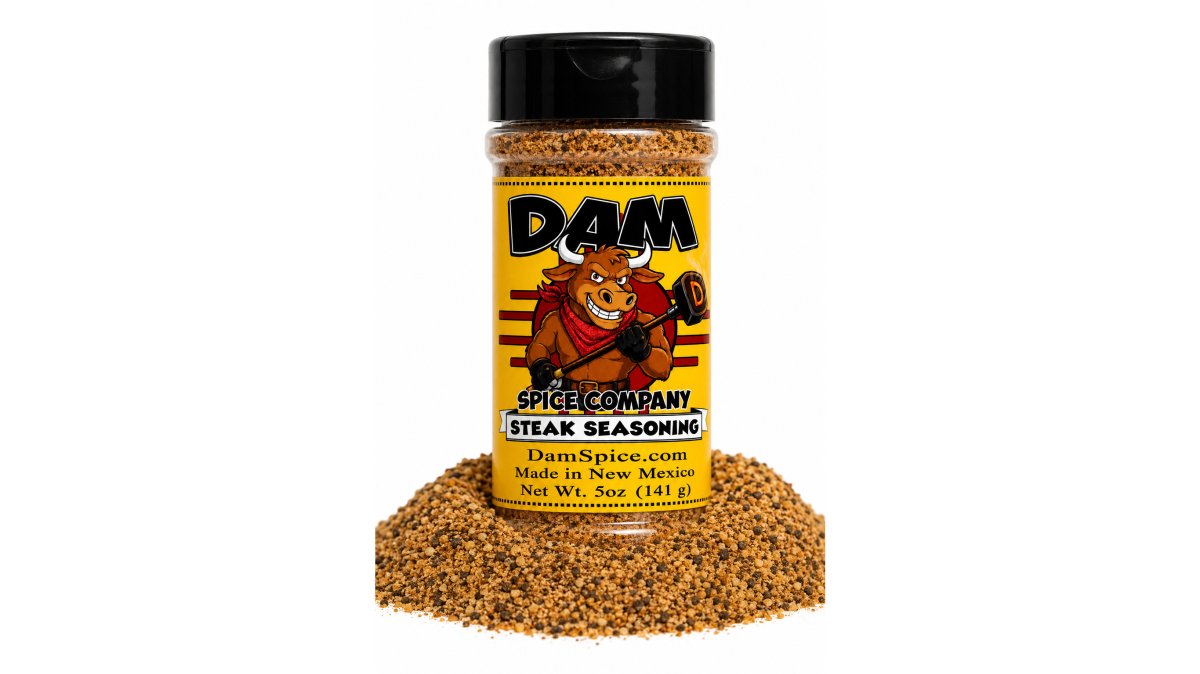
Dam Spice Company's Steak Seasoning delivers classic salt, cracked black pepper, and garlic that lets the meat shine while building excellent crust. For bolder flavor, the Kick Ass Rub brings smoky, savory depth, perfect for grilling.

How Long to Marinate Steak
Marinating time depends on cut thickness and acid strength. Thinner steaks (under 1 inch) need 4-6 hours. Standard steaks (1-1.5 inches) benefit from 8-12 hours. Thicker cuts (2+ inches) can handle 12-24 hours. Beyond 24 hours, the acid over-tenderizes the surface.
The acid concentration matters. A vinegar-heavy marinade works faster than an oil-based one. Citrus-based marinades fall somewhere in between. If you're short on time, a stronger acid, like a mixture with equal parts vinegar and oil, speeds up the tenderization process. A gentler marinade with mostly oil and just a splash of acid takes longer but is more forgiving if you leave the steak in too long.
Plan ahead. If you're grilling tomorrow evening, marinate starting in the morning. If you're cooking tonight, a 4-hour minimum is acceptable, though 8 hours is noticeably better. Remove the steak from the marinade 30 minutes before cooking, pat it dry (excess liquid prevents good crust formation), and let it reach closer to room temperature.
Steak Seasoning Best Practices
Whether you choose a dry rub or marinade, certain principles apply to both. First, salt is non-negotiable. Salt concentration science shows that sodium chloride enhances flavor perception and helps meat retain moisture. Don't skip it or reduce it trying to be "healthy", salt is what makes the steak taste like steak.
Second, apply seasoning to both sides and the edges. Many home cooks season the top and bottom but neglect the sides. The edges get exposed to direct heat and benefit from surface seasoning just as much as the flat surfaces do.
Third, match your seasonings to your heat level. A dry rub with delicate spices works better for pan-searing or reverse sear cooking, where you can control temperature precisely. Bold, smoky blends like Sweet & Smokey BBQ Rub shine on the grill, where high heat caramelizes the sugars and spices into deeper, more complex flavors.

Fourth, consider the Reverse Sear compatibility. If you're cooking thick steaks using the reverse sear method, slow oven cooking followed by a hard sear, apply your rub before the slow cook. The low, even heat won't caramelize it, but the flavors will infuse. Then, right before the final sear, you can add a light dusting of fresh rub to boost crust formation during that high-heat finish.
Best Cuts for Each Method
Not all steaks respond equally to both methods. Premium cuts like ribeye and New York strip have enough marbling and tenderness that they don't need marinade's tenderization. These cuts shine with a dry rub, which highlights their natural flavor and creates that prized crust. A dry rub on a ribeye takes 20 minutes and delivers results that match or exceed an overnight marinade.
Leaner cuts like sirloin, flank, and skirt benefit more from marinating.
Pros and Cons of Dry Rubs
The choice between dry rub and wet marinade isn't about one being universally better. It's about matching the method to your situation. A premium ribeye with a quality dry rub beats a mediocre marinade every time. A tough sirloin with an overnight marinade beats a dry rub alone. The best home cooks know both methods and pick the right tool for the cut and timeline they're working with.
Frequently Asked Questions
Which is better for steaks, a dry rub or a wet marinade?
Neither is universally better, it depends on your goal and cut. Dry rubs excel at building a flavorful, caramelized crust through the Maillard reaction, ideal for thicker steaks (1.5 inches or more) where surface crust matters most. Wet marinades penetrate deeper into the meat and tenderize it through acidic ingredients and enzymatic breakdown, making them better for tougher cuts or when you want flavor throughout. For premium steaks like ribeye or New York strip, a dry rub creates superior crust formation. For leaner cuts or when tenderization is the priority, a marinade wins.
How long should you marinate steak before grilling?
Most steaks benefit from 2-8 hours of marinating time. Thin steaks (under 1 inch) need only 2-4 hours to absorb surface flavor without becoming mushy. Thicker cuts (1.5 inches or more) can handle 6-8 hours or overnight. Acidic marinades, those with vinegar, citrus, or wine, should not exceed 12 hours, as the acid will begin breaking down the protein structure too aggressively, making the meat mushy. Oil-based marinades without strong acids can marinate longer without texture damage. Always marinate in the refrigerator, not at room temperature.
Does a dry rub or marinade penetrate the center of a steak?
Dry rubs primarily season the surface through osmosis and surface seasoning, creating a flavorful crust but limited penetration into the meat's interior. Wet marinades penetrate deeper through liquid absorption and enzymatic breakdown, reaching 1/4 to 1/2 inch into the meat depending on marinating time and marinade composition. If your goal is flavor throughout the steak, a marinade is more effective. If you want maximum crust development and surface flavor, a dry rub is superior. Some cooks use both: marinate first for tenderization and interior flavor, then apply a dry rub before grilling for crust formation.
How does a dry rub affect the crust of a steak?
A dry rub creates an exceptional crust through the Maillard reaction, the chemical process where amino acids and sugars react under high heat to create complex flavors and a caramelized, browned surface. The dry surface of the rub allows direct contact between the spice blend and the meat's proteins, enabling faster browning than a wet marinade would allow. This produces a textured, flavorful crust that locks in juices while delivering bold, savory notes. Rubs with sugar or brown sugar (like DAM's Sweet & Smokey BBQ Rub) enhance caramelization even further, creating deeper color and richer flavor development on the meat's exterior.