

How to Season Steak for Southwest Flavor
Table of Contents
- Essential Southwest Spice Blend Ingredients
- How to Prepare the Steak for Seasoning
- How to Make a Southwest Seasoning Blend
- Best Spices for Southwest Steak Rub
- Grilling Steak with Southwest Spices
- Tips for Achieving a Perfect Crust
- Resting and Slicing Your Seasoned Steak
- Storage and Shelf Life of Homemade Rubs
- Frequently Asked Questions
Last Updated: September 29, 2026
Essential Southwest Spice Blend Ingredients
A proper season steak southwest blend combines chili powder, ground cumin, smoked paprika, garlic powder, and onion powder as its foundation.
Add kosher salt, cracked black pepper, and cayenne powder for heat. Brown sugar balances the spice and triggers the Maillard reaction to create a flavorful char.
For complexity, add chipotle pepper for smokiness, lime juice for acidity, and Worcestershire sauce for umami depth.
Balance smoky notes, savory heat, and acidic brightness so no single flavor dominates. [Dam Spice Company's Grumpy Gringo](https://damspice.com/products/grumpy-gringo) combines these elements in the perfect ratio.

| Ingredient | Purpose | Heat Level |
|---|---|---|
| Chili powder | Core Southwest flavor | Mild-Medium |
| Ground cumin | Earthy depth | None |
| Smoked paprika | Smokiness and color | Mild |
| Garlic powder | Savory aromatics | None |
| Brown sugar | Crust formation via Maillard reaction | None |
| Cayenne powder | Heat and spice | Hot |
| Chipotle pepper | Smoky complexity | Medium-Hot |
How to Prepare the Steak for Seasoning
Pat the steak thoroughly with paper towels to remove surface moisture, which prevents seasoning adhesion and crust formation.
Let the steak sit at room temperature for 30 minutes before seasoning to ensure consistent cooking from edge to center.
Choose cuts with good marbling like flat iron, ribeye, or New York strip. Avoid thin cuts (under 1 inch) that cook too fast for proper crust development.
Score the fat cap lightly to help seasoning penetrate and allow fat to render during cooking.
How to Make a Southwest Seasoning Blend
Homemade blends let you adjust heat and sugar content for your cooking method.
Start with 2 tablespoons chili powder, 1 tablespoon ground cumin, and 1 tablespoon smoked paprika as your flavor foundation.
Add 1 teaspoon each of garlic powder and onion powder, plus ½ teaspoon cayenne powder (adjust to taste).
Include 1 tablespoon brown sugar (which caramelizes for crust), 1 teaspoon kosher salt, and ½ teaspoon cracked black pepper.
For extra depth, add ½ teaspoon chipotle powder and ¼ teaspoon lime powder. Mix thoroughly and store in an airtight container away from heat and light.
Managing Sugar Content by Cooking Method
Brown sugar burns at very high temperatures, creating bitter flavors. Adjust sugar content based on your cooking temperature.
For grills reaching 500°F or higher: Reduce brown sugar to ½ teaspoon or eliminate it entirely. Brush honey or agave nectar onto the steak during the last 30 seconds of cooking for crust color without burn risk.
For grills maintaining 450-475°F: Use the full tablespoon of brown sugar, which caramelizes properly without burning.
For pan-searing on stovetop: Use the full tablespoon of brown sugar. Start at medium-high heat and adjust downward if the rub smokes excessively.
For oven-finishing method: Use the full tablespoon.
Alternative Sugar Options
If you want sweetness without the burn risk, substitute one tablespoon of brown sugar with:
- Coconut sugar: Burns at a slightly higher temperature than brown sugar and adds subtle caramel notes. Use the same 1:1 ratio.
- Maple powder: Adds depth and burns less aggressively. Use three-quarters tablespoon to avoid overpowering the cumin and chili.
- No sugar: Omit entirely and rely on the natural browning of spices and meat proteins. You'll get less dramatic crust color but no burn risk.
Best Spices for Southwest Steak Rub
Chili powder provides the signature Southwest flavor. Use pure chili powder, not seasoning blends with added salt. The type you choose shapes the entire rub's character.
Regional Southwest Flavor Profiles
Three distinct regional styles dominate Southwest cooking, each with different spice emphasis.
New Mexican Style (Northern New Mexico and Southern Colorado)
- Use New Mexico chili powder (made from dried Hatch chiles) instead of generic chili powder. It's earthier and less spicy than standard chili powder.
- Reduce cayenne to one-quarter teaspoon or omit entirely. New Mexico chili powder provides enough heat.
- Increase smoked paprika to one and a half teaspoons for deeper color and smokiness.
- Add one-quarter teaspoon of ground oregano (Mexican oregano if available) for herbaceous complexity.
- Use fresh lime juice in a wet marinade rather than powdered lime. The brightness complements the fruity chile notes.
Tex-Mex Style (Texas border regions)
- Use standard chili powder (typically a blend of ancho and other dried chiles). It's spicier and more assertive than New Mexico chili powder.
- Keep cayenne at half a teaspoon, or increase to three-quarters teaspoon if you prefer significant heat.
- Increase ground cumin to one and a half tablespoons. Cumin is the backbone of Tex-Mex seasoning.
- Add one-quarter teaspoon of ground coriander for subtle citrus notes that complement the cumin.
- Include one-quarter teaspoon of garlic salt in addition to garlic powder for extra savory depth.
- Use Worcestershire sauce or soy sauce in a wet marinade for umami richness.
Arizona Style (Phoenix and Sonoran Desert regions)
- Use a blend of chili powder and ancho chile powder (equal parts). Ancho is mild, fruity, and slightly sweet, it defines Arizona flavor.
- Reduce cayenne to one-eighth teaspoon or omit entirely. Heat is not the goal.
- Add one-quarter teaspoon of ground cinnamon. This is uncommon in other regional styles but traditional in Arizona Sonoran cuisine.
- Include one-quarter teaspoon of ground clove for warming spice notes.
- Add one-half teaspoon of Mexican oregano (not Italian oregano, which is too sharp).
- Use fresh lime juice and a splash of orange juice in a wet marinade for brightness.
Adjusting for Heat Preference Within Your Regional Choice
Once you've chosen your regional direction, heat adjustment is straightforward:
- Mild (under 1,000 Scoville units): Use the base recipe with no cayenne. Rely on chili powder and chipotle for flavor without significant heat.
- Medium (1,000-5,000 Scoville units): Add one-quarter to one-half teaspoon of cayenne.
- Hot (5,000-15,000 Scoville units): Add three-quarters to one teaspoon of cayenne, or substitute half the cayenne with habanero powder.
- Extremely hot (15,000+ Scoville units): Add one and a half teaspoons of cayenne or include ghost pepper powder at one-quarter teaspoon (use sparingly, ghost pepper is 800,000+ Scoville units).
Grilling Steak with Southwest Spices
Heat your grill to 450-500°F. High heat is essential for crust formation; low heat steams the meat instead of searing it.
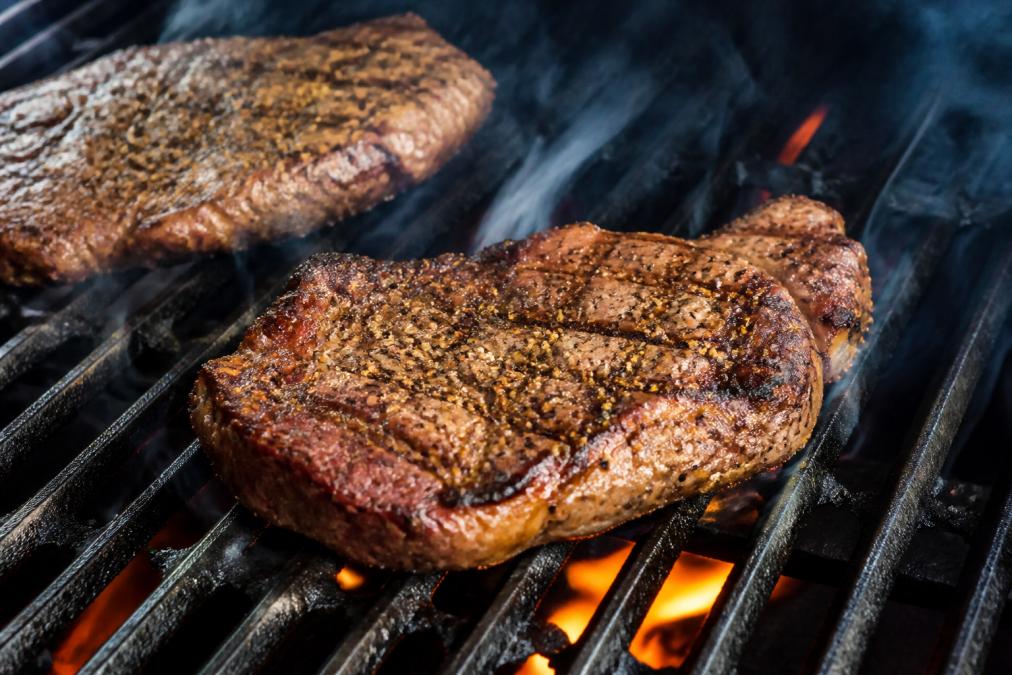
Close the grill lid between flips to maintain heat.
Tips for Achieving a Perfect Crust
The crust forms through the Maillard reaction, which requires high heat, a dry meat surface, and sufficient time.
Resting and Slicing Your Seasoned Steak
Remove the steak from heat when it reaches 5°F below your target temperature. Carryover cooking will raise it another 5°F during resting.
Serve immediately after resting while the steak is warm.
Storage and Shelf Life of Homemade Rubs
Homemade spice blends last three to four months in an airtight container. Store in a cool, dark place away from heat and sunlight.
Frequently Asked Questions
What is the best way to apply seasoning to steak for a crust?
Apply your dry rub generously 40 minutes to 2 hours before cooking, allowing the seasoning to adhere and penetrate the meat. Pat the steak dry first so the rub sticks better. For wet marinades, submerge the steak for 4-8 hours. When you're ready to cook, pat the steak dry again to maximize crust formation. The Maillard reaction, where amino acids and sugars create that flavorful brown crust, happens best on a dry surface at high heat, so don't skip the drying step.
How do you balance heat and smoke in a Southwest steak rub?
Start with a base of smoked paprika and ground cumin for depth, then add chili powder and cayenne pepper for heat. Use kosher salt and cracked black pepper as your foundation. Limit sugar to 1-2 teaspoons per batch, since sugar burns easily on high-heat grilling and creates bitterness instead of caramelization. Add chipotle pepper for smoky heat without overwhelming the steak. Taste as you blend to find your ideal heat level, you can always add more spice, but you can't remove it.
How long should you let steak sit with dry rub?
Let the seasoned steak rest at room temperature for 40 minutes to 2 hours before cooking. This allows the salt in your rub to dissolve slightly and penetrate the meat, enhancing flavor throughout rather than just on the surface. If you apply the rub and cook immediately, the seasoning sits only on the outside. For best results, remove the steak from the refrigerator 30 minutes before applying the rub, then let it sit for another 40 minutes to an hour before grilling.
What makes a Southwest seasoning blend different from other flavor profiles?
Southwest seasoning centers on authentic New Mexico chiles, ground cumin, and smoked paprika, creating a flavor profile that's earthy, smoky, and complex. Unlike Italian or Asian blends, Southwest rubs emphasize the umami from roasted chiles and cumin's warm spice notes. The addition of chipotle pepper and lime juice (in marinades) brings depth and acidity that balances the heat. All-natural blends without MSG or additives preserve the true chile flavor, delivering the bold, savory taste that defines authentic Southwest cooking.
Learning to season steak for Southwest flavor transforms ordinary meals into restaurant-quality dinners. The key is understanding how spices work together and respecting the cooking process. Start with quality ingredients, follow proper technique, and you'll achieve the bold, smoky, savory results that make Southwest cuisine unforgettable. Get started with Dam Spice Company's ready-made Southwest blends and discover how authentic New Mexico flavors elevate your next steak dinner.