

Is All Purpose Meat Rub Worth It? A 2026 Review
Table of Contents
- The Real Cost of All Purpose Meat Rub
- Homemade vs Store Bought BBQ Rub: Which Wins?
- What to Look For in an All Purpose Meat Rub
- How Long to Leave Rub on Meat Before Cooking
- Best Spice Rubs for Roasted Vegetables and More
- Common Myths About All Purpose Meat Rub
- Conclusion: Is All Purpose Meat Rub Worth It?
- Frequently Asked Questions
Last Updated: September 11, 2026
The Real Cost of All Purpose Meat Rub
An all purpose meat rub is a pre-mixed blend of salt, pepper, garlic, paprika, sugar, and spices designed to season multiple proteins without extra measuring. Whether it's worth buying comes down to one thing most shoppers never check: price per ounce. This guide from Dam Spice Company breaks down the real math behind the jar.
A small jar of rub looks cheap until you flip it over and see 3.5 ounces for the same money a bulk blend charges for 5. That gap compounds every time you restock during grilling season.
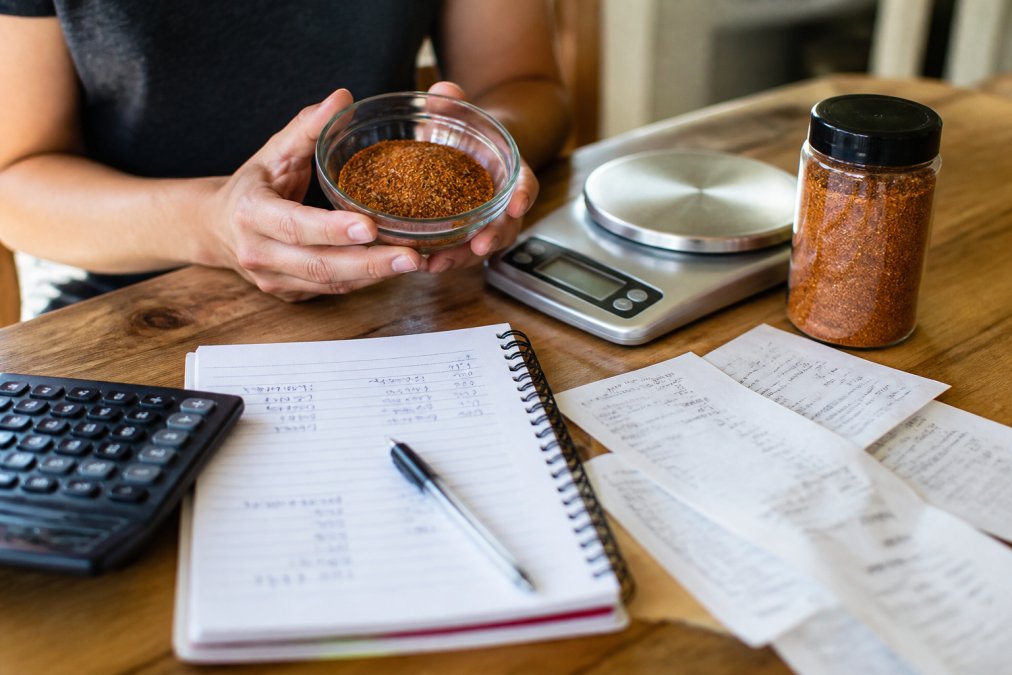
Price Per Ounce: What You Actually Pay
Price per ounce is the only fair way to compare rubs, because bottle sizes vary wildly between brands. A 5-ounce bottle at $7.99 works out to roughly $1.60 per ounce; a smaller jar at the same shelf price can run $2.50 or more per ounce.
Rubs are a repeat purchase, so a blend that costs a dollar more per ounce adds up fast across a full summer of cooking. Dam Spice Company's rubs, including DAM Butt Rub, come in 5-ounce bottles at $7.99, which keeps the per-ounce cost predictable.

The Bulk Spice Math Nobody Runs
"Homemade is cheaper" only holds if you already own the base spices, if you don't, the first batch of homemade rub is the most expensive one you'll ever make. Here's what goes into a standard all-purpose blend and what those components cost at typical grocery and warehouse-club prices.
A basic AP rub is roughly 40% salt, 20% black pepper, 15% paprika, 10% garlic powder, 10% onion powder, and 5% sugar or cayenne, by volume (peer-reviewed research). That ratio is the backbone of nearly every commercial blend, which is why flavor differences between brands come down to the last 5%, the specialty spices and the ratios.
| Component | Typical Retail Cost | Typical Bulk Cost | Notes |
|---|---|---|---|
| Kosher salt | Low per ounce | Very low per ounce | Cheapest ingredient by far |
| Ground black pepper | Moderate | Moderate | Whole peppercorns ground fresh cost less per ounce than pre-ground |
| Paprika | Moderate | Lower in bulk | Sweet vs. smoked changes the price significantly |
| Garlic powder | Low | Very low | Granulated vs. powdered affects clumping |
| Onion powder | Low | Very low | Often the ingredient that clumps first |
| Cayenne or chili powder | Moderate to high | Lower in bulk | The most expensive single component in most blends |
A homemade batch using bulk spices typically lands at a few cents per ounce of finished rub, while a pre-mixed jar runs $1.50 to $2.50 per ounce. That sounds like a landslide for homemade, until you account for the fixed costs.
The Fixed Costs That Flip the Math
Bulk spices are only cheap if you use them before they go stale. A pound of paprika is a bargain per ounce, but if it sits in the pantry for two years, you paid for a pound and used a few tablespoons. Ground spices lose potency within six to twelve months, and whole spices last two to four years, that shelf-life clock is the hidden cost of the homemade route (the FDA).
A realistic first-year comparison looks like this:
- Buying pre-mixed: You spend per jar, but every ounce goes into the meat. No waste, no pantry inventory to manage.
- Going homemade: You spend more upfront on five or six bulk containers, then use a fraction of each. The per-ounce cost only beats store-bought once you've cooked enough batches to amortize that initial outlay.
Homemade rubs typically win on cost around the third or fourth batch, assuming the bulk spices are still fresh and you finish them. Grill a few times a month and that crossover happens within a season; grill a few times a year and the jar wins on pure economics.
Where the Value Actually Lives
The real value question isn't homemade versus store-bought in the abstract, it's whether the jar you're holding delivers a fair price per ounce for a blend you'll actually finish. A $7.99 five-ounce bottle at $1.60 per ounce is competitive with the mid-tier and avoids pantry waste; a $12 two-ounce boutique jar at $6 per ounce is where the math stops making sense for everyday cooking.
The practical rule: divide price by net weight in ounces, compare that to the $1.50-$2.50 range most quality blends fall into, and ask whether you'll finish the jar before it fades. If yes, the jar is worth it. If you're buying bulk spices anyway for other cooking, homemade wins, but only after the first batch.
Homemade vs Store Bought BBQ Rub: Which Wins?
Homemade vs store bought BBQ rub is a genuine trade-off. Homemade gives you total control over sodium and sugar-to-salt ratio; store-bought saves time and delivers a consistent flavor profile every batch.
Here's how the two stack up on the factors that actually matter:
| Factor | Homemade Rub | Store-Bought Rub |
|---|---|---|
| Cost per ounce | Lower if buying bulk spices | Higher per jar, but no waste |
| Time investment | 10-15 minutes per batch | Zero |
| Consistency | Varies by batch | Identical every time |
| Ingredient control | Complete | Limited to label transparency |
| Shelf life | Shorter, no preservatives | Longer, shelf-stable |
| Best for | Tinkerers and bulk cooks | Weeknight cooks |
Homemade wins on cost and control if you already own the base spices. Store-bought wins on convenience and consistency, not a small thing when you're feeding a family on a Tuesday.
The Base Layer Strategy for Better Flavor
The Base Layer strategy is a two-step seasoning method: apply a simple salt-pepper-garlic blend first, then a complex rub on top. This builds depth without overwhelming the meat with sugar or chili powder.
Start with something like SPG, a sea salt, cracked black pepper, and garlic blend. Let it sit a few minutes, then layer a sweeter or smokier rub over it. The base layer handles seasoning; the top layer handles flavor. Most cooks skip this and wonder why their bark tastes flat.

What to Look For in an All Purpose Meat Rub
The best all purpose meat rub lists real ingredients you can pronounce, avoids MSG and artificial fillers, and matches the meat you cook most often. Read the label before the front copy.
Look for these markers:
- Short ingredient lists with recognizable spices, not anti-caking agents
- No MSG or "natural flavor" catch-alls hiding additives
- Gluten-free labeling if anyone at your table has a sensitivity
- Balanced salt content so you can control sodium separately
- A flavor profile that fits your cooking, not just the bottle's design
A rub built for brisket will taste wrong on roasted vegetables. Match the blend to the job.
How Long to Leave Rub on Meat Before Cooking
Leave a dry rub on meat at least 30 minutes before cooking, and up to 24 hours for larger cuts like pork shoulder or brisket (foodsafety.gov). The salt needs time to draw moisture to the surface and dissolve into the meat.
For thinner cuts like chicken breasts or steaks, 30 to 60 minutes is plenty. For ribs, pork butt, or whole poultry, overnight in the fridge lets the seasoning penetrate deeper. Always pat the meat dry first so the rub sticks instead of sliding off.
Best Spice Rubs for Roasted Vegetables and More
The best spice rubs for roasted vegetables lean savory and smoky rather than sweet, because sugar burns before vegetables finish caramelizing. Barbecue blends can work, but milder options perform better on the sheet pan.
Toss cubed potatoes, carrots, or cauliflower in oil, then dust with Sweet & Smokey BBQ Rub for a caramelized crust without overpowering the vegetable's natural flavor. For a bolder Southwest profile, Kick Ass Rub brings smoky heat that works on fries, wings, and roasted squash alike.

One Rub, Three Cooking Methods: How Performance Changes
The claim that a single jar "works everywhere" is true, but it hides a detail most guides skip: the same rub behaves very differently depending on how you cook. Understanding that is the difference between a great crust and a burnt, bitter one.
High-heat grilling (450-600°F). Sugar caramelizes fast, sometimes too fast. A blend with much brown sugar or honey powder will char before the interior of a thick cut is done. On a hot grill, lean savory-forward, apply a thinner coat, and use a two-zone setup to sear over direct heat and finish indirect. Salt-heavy rubs also pull moisture to the surface, causing flare-ups.
Low-and-slow smoking (225-275°F). This is where sugar earns its place. Over several hours, sugars and proteins undergo the Maillard reaction and caramelization together, building the dark crust known as bark. A moderate-sugar rub with coarse-ground spices, paprika, coarse black pepper, garlic, forms better bark than a fine powder, which can turn pasty. Apply the night before for large cuts so the salt penetrates.
Oven roasting (375-425°F). The middle ground. Convection heat browns more evenly than a grill, so sugar is less likely to scorch, but vegetables release moisture that can steam off a fine-ground rub. Coarser blends cling better to oiled vegetables, and this is where a single all-purpose blend shines brightest.
| Method | Heat Range | Sugar Tolerance | Best Rub Texture | Watch Out For |
|---|---|---|---|---|
| High-heat grill | 450-600°F | Low | Medium-coarse | Scorching, flare-ups |
| Low-and-slow smoker | 225-275°F | Moderate to high | Coarse | Pastiness from fine powders |
| Oven roast | 375-425°F | Moderate | Medium-coarse | Steam softening the crust |
The Layering Trick for Vegetables
Vegetables lack the fat meat has, so a rub balanced on pork butt can taste harsh on cauliflower. Oil first, apply a lighter coat than you would on meat, and finish with a squeeze of acid, lemon or vinegar, after roasting. The acid cuts the salt and wakes up spices that heat muted.
For root vegetables, a savory blend with smoked paprika and garlic does the heavy lifting. For softer vegetables like zucchini or peppers, go lighter and lean on herbs. The same jar that builds bark on brisket can season a sheet pan of potatoes, just use less and adjust the heat.
Common Myths About All Purpose Meat Rub
The biggest myth about all purpose meat rub is that "all purpose" means mediocre at everything. A well-built blend hits the middle of the flavor map, exactly where most weeknight cooking lives.
A few more myths worth retiring:
- Myth: More rub equals more flavor. Too much salt-heavy rub makes meat taste cured, not seasoned.
- Myth: Rubs replace marinades. They do different jobs. Rubs build crust and bark; marinades add moisture.
- Myth: Expensive always means better. Price per ounce matters more than the label's design.
- Myth: Store-bought rubs are full of chemicals. Many are clean, additive-free blends. You just have to read the label.
The real differentiator is ingredient transparency, not the price point.
Conclusion: Is All Purpose Meat Rub Worth It?
An all purpose meat rub is worth it if you cook meat or vegetables more than once a week and want consistent flavor without measuring six spices. The math favors buying when the price per ounce is fair and the ingredient list is clean.
That's the standard Dam Spice Company holds itself to: all-natural blends with no additives, made with New Mexico spices in New Mexico, in 5-ounce bottles at $7.99. The Wild Game Seasoning and DAM Butt Rub cover everything from venison to pulled pork without fillers or MSG.
If you want bold Southwest flavor without the guesswork, add to cart and taste the difference a clean, well-built rub makes on your next cookout.
Frequently Asked Questions
Is it cheaper to make your own BBQ rub or buy a premium blend?
It depends on how often you cook. Making your own requires buying several individual spices, which can cost $20 to $40 upfront. A premium all purpose meat rub like Dam Butt Rub costs $7.99 for a 5-ounce bottle and lasts through many meals. If you grill once a week, store-bought is often more cost-efficient because you avoid buying spices you rarely use. If you cook daily and already stock a full spice cabinet, homemade can save money over time.
How long can dry rub sit on meat before cooking?
For most meats, apply dry rub 30 to 60 minutes before cooking for a quick flavor boost. For deeper flavor, let it sit in the fridge for 2 to 24 hours. Poultry and pork benefit most from longer rest times. Beef steaks can handle 1 to 2 hours. If your rub contains brown sugar, avoid leaving it on longer than 4 hours because the sugar can pull moisture from the meat and create a wet surface that prevents proper bark formation.
Can an all purpose rub really be used on vegetables and tacos?
Yes. A balanced all purpose meat rub works on roasted vegetables, tacos, eggs, and even fries. SPG from Dam Spice Company is a simple blend of sea salt, cracked black pepper, and garlic that enhances roasted carrots, potatoes, and squash without overpowering them. For tacos, a Southwest-inspired blend like Kick Ass Rub adds smoky heat that complements ground beef, chicken, or roasted cauliflower. The key is choosing a rub without excessive sugar if you plan to use it on vegetables.
What ingredients should you look for in a high-quality meat rub?
Look for real spices first: paprika, garlic powder, onion powder, black pepper, and kosher salt. Avoid blends with MSG, anti-caking agents, or artificial flavors. Dam Spice Company rubs list sea salt, spices, brown sugar, and chile peppers with no MSG and are naturally gluten-free. Check the sodium content per serving if you are watching salt intake. A good rub should have a balanced sugar-to-salt ratio so it enhances meat without turning it into candy.
How long does a store-bought dry rub stay fresh?
Most store-bought dry rubs stay fresh for 6 to 12 months after opening if stored in a cool, dark place with the lid sealed tight. Heat, moisture, and light degrade spices faster. If your rub clumps or smells flat, it is past its prime. Dam Spice Company rubs come in 5-ounce bottles, which is enough for roughly 10 to 15 uses depending on how generously you season. Write the open date on the jar to track freshness.