

What Are Typical Mexican Flavors? A 2026 Guide
Table of Contents
- What Mexican Food Actually Tastes Like
- The Building Blocks: Corn, Beans, and Chiles
- Mexican Chiles and Their Flavors: A Heat and Taste Guide
- Common Mexican Spices and How They're Used
- Mexican Herbs and Spices: Beyond the Basics
- How Regional Mexican Cuisine Changes the Flavor Map
- Bringing Mexican Flavors Home with Dam Spice Company
- Conclusion: Your Flavor Journey Starts Here
- Frequently Asked Questions
Last Updated: October 6, 2026
What Mexican Food Actually Tastes Like
Mexican flavors are built on a foundation of earthy corn, slow-simmered chiles, bright lime, and savory beans, layered with smoky, roasted, and tangy notes that vary dramatically by region. At Dam Spice Company, we think of Mexican cooking as less about heat and more about balance: smoky against bright, rich against fresh, and savory against a touch of sweetness from roasted vegetables and tropical fruit.
If you've only tasted the Tex-Mex version, you've met a distant cousin, not the real thing. Authentic Mexican food leans on chiles for depth, not just fire, and uses corn, beans, and fresh herbs to round out every bite.
Below, we'll break down exactly which ingredients create these flavors, how regional Mexican cuisine shifts the map, and how to bring the real taste home.
The Building Blocks: Corn, Beans, and Chiles
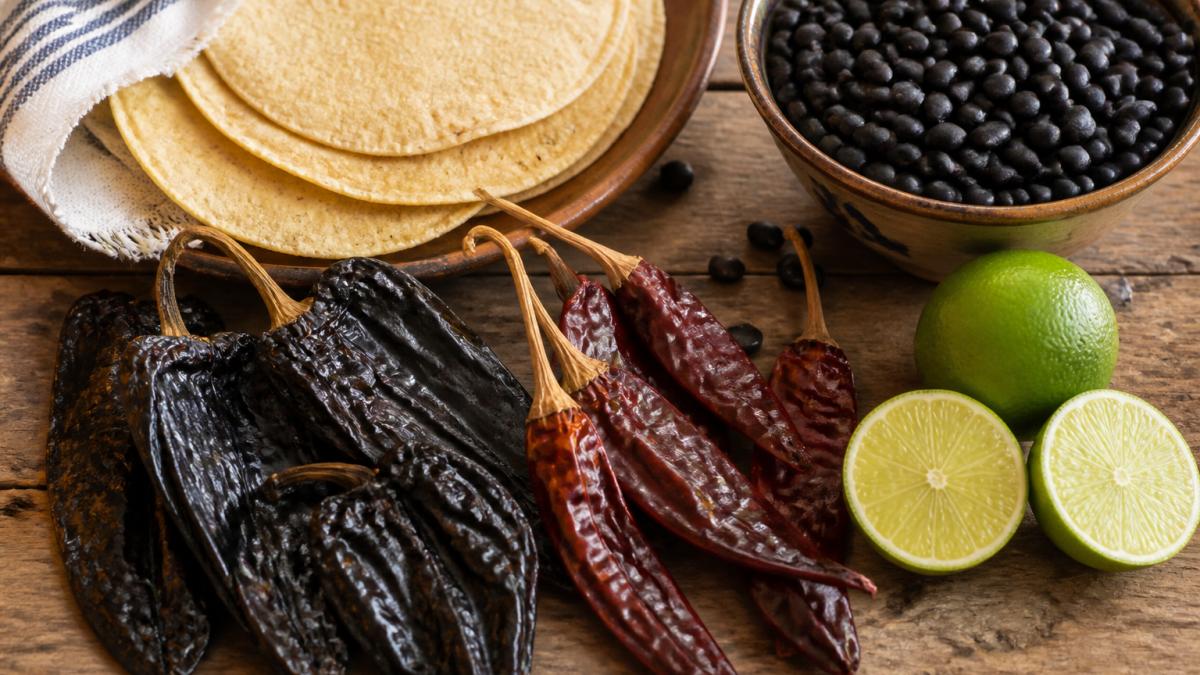
Three ingredients anchor nearly every traditional Mexican dish: corn, beans, and chiles. Corn provides the base, beans add substance, and chiles deliver the smoky, fruity, or sharp character that defines a dish.
Corn and Maize: The Foundation of Mexican Cooking
Maize is the backbone of Mexican cuisine. Nixtamalized corn, treated with lime mineral, becomes the dough for corn tortillas, tamales, and pozole. That process gives corn a deeper, nuttier flavor than plain ground cornmeal.
You'll taste it in:
- Corn tortillas wrapped around tacos al pastor
- Tamales steamed in corn husks
- Pozole, a hearty hominy stew
- Elote, grilled corn with lime and chile
Flour tortillas belong mostly to the northern border regions. In central and southern cooking, corn rules.
Beans and Rice: The Everyday Staples
Beans and rice show up on nearly every Mexican table, often as a side but sometimes as the meal itself. Refried beans, black beans, and pinto beans each carry a slightly different texture and earthiness.
Rice in Mexican cooking is usually cooked with tomato, onion, and garlic, giving it a mild, savory flavor that balances richer dishes. Together, beans and rice round out the smoky, spicy notes on the plate.
Mexican Chiles and Their Flavors: A Heat and Taste Guide
Mexican chiles and their flavors range from mild and fruity to sharp and intense, and each variety brings something different to a dish. The chile you choose matters more than how much you use.
Here's a quick flavor map:
| Chile | Heat Level | Flavor Notes | Common Use |
|---|---|---|---|
| Ancho (dried poblano) | Mild | Sweet, raisin-like, smoky | Mole, sauces |
| Guajillo | Mild-medium | Tangy, fruity, slightly green | Salsas, marinades |
| Jalapeño | Medium | Bright, grassy, crisp | Pico de gallo, toppings |
| Chipotle (smoked jalapeño) | Medium-hot | Deep smoke, earthy | Rubs, adobo |
| Chimayó | Medium-hot | Distinctive, complex, slightly sweet | Regional New Mexico dishes |
Fresh Chiles vs. Dried Chiles
Fresh chiles taste bright and vegetal. Dried chiles taste deeper and sweeter, because drying concentrates their natural sugars. A jalapeño and a chipotle come from the same pepper, but they behave completely differently in a dish.

Use fresh chiles when you want crunch and brightness, like in pico de gallo. Reach for dried chiles when you want smoky depth, like in mole or a slow-cooked sauce.
Common Mexican Spices and How They're Used
Common Mexican spices go beyond chile powder. Cumin, oregano, cinnamon, cloves, and vanilla all play roles in traditional cooking, often in combinations that surprise people who expect only heat. The key is understanding what each spice contributes and how they layer, because Mexican seasoning is built in stages, not dumped in at once.
Here is a practical flavor map of the most common spices, what they taste like, and where they show up:
| Spice | Flavor Contribution | Where It Appears | How Much to Use |
|---|---|---|---|
| Cumin | Earthy, warm, slightly bitter | Tacos, beans, marinades, chili | A little goes far; too much turns dusty |
| Mexican oregano | Bright, citrusy, slightly grassy | Salsas, beans, adobo, grilled meats | More than Mediterranean oregano; add late |
| Cinnamon (canela) | Sweet, warm, woody | Mole, Mexican chocolate, coffee | A background note, not a dominant one |
| Cloves | Pungent, aromatic, slightly numbing | Mole, birria, pickled dishes | Use sparingly; one or two whole cloves is enough |
| Vanilla | Floral, rich, slightly smoky | Desserts, some savory sauces, coffee | Native to Mexico; real vanilla is worth the cost |
| Achiote (annatto) | Earthy, slightly peppery, gives red color | Cochinita pibil, al pastor, rice | Dissolve in oil before adding |
| Allspice | Warm, combines cinnamon, clove, nutmeg notes | Mole, jerk-style marinades, pickles | A single berry can flavor a whole pot |
How the layering actually works:
Mexican cooking typically builds flavor in three stages. First, aromatics like onion and garlic go into hot fat. Second, dried chiles and toasted spices bloom in that fat, which releases their oils and deepens their flavor. Third, fresh herbs and citrus go in at the end, off the heat, so their brightness survives.
A good taco seasoning combines cumin, chile, garlic, and oregano so no single note dominates. If you taste only cumin, the blend is unbalanced. If you taste only heat, the chiles were used for fire instead of flavor.
A note on chile powder vs. chile powders:
Generic "chile powder" in most grocery stores is a blend that may include cumin, oregano, and salt. Single-chile powders, like ancho powder or guajillo powder, are just ground dried chiles. If a recipe calls for ancho powder and you substitute a generic blend, you will add cumin and salt you did not plan for. Read the label.
USDA nutritional and ingredient information for dried spices
Mexican Herbs and Spices: Beyond the Basics
Mexican herbs and spices include several ingredients that don't show up in most pantry staples. Hoja santa, also called acuyo, adds an anise-like note to stews and tamales. Epazote brings a sharp, almost medicinal edge to beans. Cilantro, while common, is used fresh and generously, not dried.
Fresh herbs like cilantro and parsley are usually stirred in at the end of cooking, not during. Heat destroys their brightness.
How Regional Mexican Cuisine Changes the Flavor Map
Regional Mexican cuisine varies widely, and the differences come down to climate, coastline, and local tradition. Rather than memorizing a list of dishes, it helps to think of the country as four flavor zones, each defined by what grows there and how it is cooked. The further south you go, the more complex and fruit-forward the flavors tend to become; the further north, the simpler and more grill-driven.
Here is a side-by-side framework you can use to predict what a dish will taste like before you order or cook it:
| Region | Dominant Flavors | Signature Ingredients | Cooking Methods | Example Dishes |
|---|---|---|---|---|
| Northern | Savory, smoky, mild | Beef, goat, wheat, flour tortillas, cumin | Grilling, roasting, open-flame | Carne asada, cabrito, flour tortilla tacos |
| Central | Earthy, rich, tangy, lightly sweet | Dried chiles, nuts, seeds, corn, tomatillo | Slow-simmering, mole-making, steaming | Mole poblano, chiles rellenos, tamales |
| Coastal | Bright, acidic, fresh, lightly spicy | Fish, shellfish, lime, mango, pineapple, coconut | Ceviche curing, grilling, steaming | Ceviche, aguachile, pescado a la talla |
| Southern | Complex, fruity, herbal, nutty | Hoja santa, plantain, achiote, pumpkin seed, chocolate | Stewing, wrapping in leaves, roasting | Chiles en nogada, cochinita pibil, tlayudas |
What actually drives the difference:
- Climate determines produce. Tropical fruit, achiote, and hoja santa thrive in the south, so southern cooking leans sweet, floral, and herbal. Arid northern states rely on beef, goat, and wheat, which is why flour tortillas and grilled meats dominate there.
- Coastline determines acid and freshness. Coastal regions build flavor with lime, raw fish, and quick cooking, which keeps dishes bright rather than heavy.
- History determines complexity. Central regions absorbed more colonial-era technique, which is why mole, with its long ingredient list and slow simmer, is a central-Mexican signature rather than a northern one.
- Altitude and tradition determine heat. Higher-altitude central and southern kitchens tend to use a wider range of dried chiles for depth, while northern cooking often uses fewer chiles and lets the meat carry the flavor.
Street food, from tacos al pastor to elote, cuts across all regions but takes on local character depending on what is grown nearby. A coastal elote may get a squeeze of lime and a dusting of chile; a central version might be slathered in crema and cotija. Same dish, different flavor map.
Bringing Mexican Flavors Home with Dam Spice Company
You don't need a pantry full of single-origin chiles to cook with real Mexican flavor. A well-built blend gets you most of the way there, and that's exactly what we make at Dam Spice Company.
Our Taco Seasoning combines sea salt, black pepper, chile pepper, cayenne, and cumin for a mild, everyday blend that works on beef, pork, chicken, fish, tacos, burritos, and vegetables. It's the one we reach for on weeknights.

When you want more heat, our Tres Amigos blend layers Chimayó chile, jalapeño, and green chile for a spicy-hot kick that still tastes balanced. And for a smoky, red-and-green profile, Christmas brings New Mexico red and green chile together with chipotle for grilling and barbecue.

Every blend is made with New Mexico spices in New Mexico, with no MSG, no sugar, and no additives. They're naturally gluten-free, which matters if you're cooking for someone with a gluten sensitivity.
Conclusion: Your Flavor Journey Starts Here
The hardest part of cooking Mexican food at home isn't technique. It's getting the flavor balance right without a pantry full of specialty ingredients.
That's what we built Dam Spice Company for. Our blends deliver the smoky, savory, spicy balance of authentic New Mexico cooking, made with all-natural ingredients and no additives. Start with our Taco Seasoning for weeknight tacos, or grab the Tres Amigos blend when you want real heat.
Add to cart and bring bold Southwest flavor to your kitchen tonight.
Frequently Asked Questions
What are the main flavors in Mexican food?
Mexican food balances smoky, earthy, tangy, and spicy notes. Chiles bring heat and depth, lime adds brightness, and ingredients like cumin and oregano contribute warm, earthy tones. Corn and beans provide a subtle sweetness and heartiness. The result is a complex layering of flavors rather than just pure heat.
What spices are commonly used in Mexican cooking?
Common Mexican spices include cumin, chili powder, oregano, cinnamon, and cloves. Cumin adds earthy warmth, while Mexican oregano has a citrusy note. Cinnamon and cloves often appear in moles and desserts. Many blends also feature garlic powder and onion powder for savory depth.
Does garlic go in Mexican food?
Yes, garlic is a fundamental ingredient in Mexican cooking. It appears in marinades, salsas, guacamole, and countless traditional dishes. Garlic adds a pungent, savory base that complements chiles and tomatoes. Fresh garlic is preferred, but garlic powder is common in spice blends.
How do flavors vary across Mexico's regional cuisines?
Regional Mexican cuisine varies widely. Coastal areas feature seafood with lime and chiles, while inland regions emphasize meats and moles. Northern Mexico favors grilled meats and flour tortillas, and southern regions use more tropical fruits and achiote. Each area has distinct chile preferences and cooking techniques.