

New Mexico Chile vs Cayenne Pepper Heat Levels
Table of Contents
- New Mexico Chile vs Cayenne Pepper: Heat Level Comparison
- Understanding Scoville Heat Units Chart
- New Mexico Chile Heat Range and Flavor Profile
- Cayenne Pepper Heat Profile and Characteristics
- Substituting Cayenne Pepper in Recipes
- Culinary Applications: When to Use Each
- Visual Identification and Processing Impact
- Frequently Asked Questions
Last Updated: October 1, 2026
New Mexico Chile vs Cayenne Pepper: Heat Level Comparison
The difference between new mexico chile vs cayenne pepper matters more than most home cooks realize. Both deliver heat, but they differ fundamentally in taste, performance, and flavor profile. At Dam Spice Company, we've spent years working with authentic New Mexico chiles and understand how they compare to cayenne.

New Mexico chiles offer complex, slightly fruity heat with smoky undertones. Cayenne delivers sharp, straightforward pungency. Understanding this distinction transforms your barbecue, tacos, and grilled meats.
Understanding Scoville Heat Units Chart
The Scoville Heat Unit scale, created in 1912, measures pepper pungency by quantifying capsaicin concentration and remains the standard for comparing heat levels.
Here's how the scale breaks down:
| Heat Level | Scoville Range | Examples | Culinary Use |
|---|---|---|---|
| Mild | 0-1,000 SHU | Bell pepper, pimiento | Flavor without heat |
| Medium | 1,000-10,000 SHU | Jalapeño, serrano | Moderate spice |
| Hot | 10,000-100,000 SHU | Cayenne, habanero | Strong heat |
| Extra Hot | 100,000+ SHU | Scotch bonnet, ghost pepper | Intense burn |
New Mexico chiles range 1,500-2,500 SHU (medium heat). Cayenne peppers register 30,000-50,000 SHU (hot category), making cayenne roughly 15-20 times hotter.
How Capsaicin Creates Heat Perception
Capsaicin creates the burning sensation by binding to pain receptors in your mouth, tricking your brain into perceiving heat.
Capsaicin in New Mexico chiles concentrates in the veins and placenta, so removing them reduces heat by 40-50%. Cayenne has capsaicin throughout the fruit, making it consistently hot.
New Mexico chile heat builds gradually and fades within minutes. Cayenne's heat arrives faster and lingers longer, creating a sustained burn.
New Mexico Chile Heat Range and Flavor Profile
New Mexico chiles deliver 1,500-2,500 SHU heat, making them accessible to home cooks. What makes them special is the complex flavor alongside the heat.
Fresh New Mexico chiles taste bright, slightly sweet, and vegetal. Dried and ground, they develop earthy, fruity, and smoky notes that pair beautifully with beef, pork, and hearty vegetables.
In authentic Southwest cooking, New Mexico chiles build layers of flavor that support rather than overpower, making grilled steak taste professionally prepared.
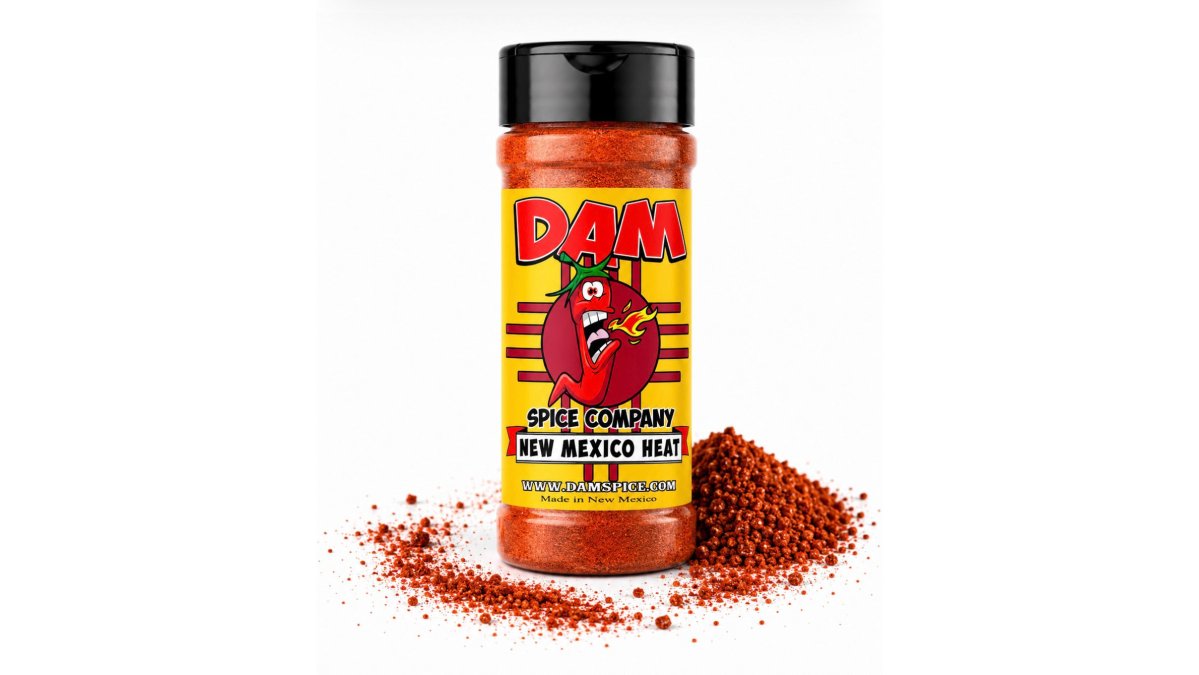
Factors That Affect New Mexico Chile Heat
Maturity: Green New Mexico chiles are milder (1,000-1,500 SHU); red chiles reach 2,000-2,500 SHU, potentially doubling heat.
Size: Larger, thicker-walled chiles are milder; smaller, thinner-walled chiles concentrate more capsaicin.
Processing: Fresh chiles deliver bright heat. Dried chiles develop deeper, smoky heat. Roasted dried chiles gain charred, smoky complexity.
Storage: Fresh chiles lose heat and flavor over time. Dried chiles maintain potency for months but degrade with light and heat exposure.
Cayenne Pepper Heat Profile and Characteristics
Cayenne peppers register 30,000-50,000 SHU, roughly 15-20 times hotter than New Mexico chiles.
Cayenne's flavor is sharp and straightforward with minimal complexity. This makes it ideal for hot sauce, beef jerky rubs, or finishing heat on soup.
Cayenne's heat arrives quickly, peaks within seconds, and fades within a minute. It's a reliable workhorse for consistent pungency.
Substituting Cayenne Pepper in Recipes
Substituting between these peppers requires managing two independent variables: heat level and flavor profile. Matching one doesn't automatically match the other.
Conversion Ratios and Flavor Adjustments
Using New Mexico chiles instead of cayenne: A recipe calling for 1 teaspoon of cayenne needs roughly 3-4 teaspoons of New Mexico chile powder for equivalent heat. However, this fundamentally changes the flavor profile by introducing earthy, fruity, and smoky notes.
For spicy sauces: Use 2-3 teaspoons of New Mexico chile powder instead of 1 teaspoon of cayenne; the sauce will be milder but more complex.
For rubs and dry seasonings: Replace cayenne 1:1 with New Mexico chile powder; the milder heat lets other spices shine.
For finishing heat: Don't substitute; New Mexico chiles lack cayenne's sharp pungency. Use smoked paprika and black pepper instead.
Using cayenne instead of New Mexico chiles: A recipe calling for 2 teaspoons of New Mexico chile powder needs only 1/4 to 1/2 teaspoon of cayenne for equivalent heat. However, cayenne lacks the fruity, smoky, earthy complexity, making your dish hotter but flatter.
For enchilada sauce or chile-based stews: Use 1/4 teaspoon cayenne per 2 teaspoons New Mexico chile powder, then add smoked paprika (1/8 tsp), cumin (1/4 tsp), and oregano (1/8 tsp) to restore depth.
For barbecue rubs: Use 1/4 teaspoon cayenne per 1 teaspoon New Mexico chile powder, then add smoked paprika and garlic powder.
For seasoning blends: Use 1/4 teaspoon cayenne per 1 teaspoon New Mexico chile powder; other spices provide flavor depth.
Recipe-Specific Substitution Examples
Beef chili (3 tbsp New Mexico chile powder): Substitute with 3/4-1 tsp cayenne, then add 1/2 tsp smoked paprika and 1/4 tsp cumin.
Hot sauce (2 tsp cayenne): Substitute with 4-6 tsp New Mexico chile powder and 1/4 tsp smoked paprika.
Barbecue rub (1 tbsp cayenne): Substitute with 3-4 tbsp New Mexico chile powder for milder, more flavorful results.
Culinary Applications: When to Use Each
New Mexico chiles work best when heat supports flavor: barbecue rubs, enchilada sauces, marinades, soups, and stews. The medium heat and complex flavor make them ideal for authentic Southwest cooking.
Cayenne peppers work best when pure heat is the goal: hot sauces, beef jerky rubs, and finishing heat on dishes. Cayenne's straightforward nature makes it ideal for reliable spice without flavor interactions.
For everyday cooking and family meals, New Mexico chiles are usually better. For cooks who love intense heat, cayenne is the reliable choice.
Visual Identification and Processing Impact
Understanding visual differences between these peppers and how processing changes them is essential for making the right choice.
Fresh Pod Identification
New Mexico chiles are long and slender (6-8 inches), with uniform width, smooth waxy skin, and a slight taper at the tip. They transition from dark green to bright red.
Cayenne peppers are shorter and thinner (2-3 inches), with a pronounced pointed tip, thin walls, and glossy skin. They're bright red or orange-red.
Quick identifier: If it's longer than your hand and thick, it's New Mexico. If it's thin, pointed, and fits in your palm, it's cayenne.
Dried Pod Appearance
Dried New Mexico chiles are dark burgundy or deep red, almost maroon in color. The skin is wrinkled and textured from moisture loss, but the pods remain flexible, you can bend them without them cracking or breaking. The walls are thick enough that you can see the interior structure when you look at a cross-section. Dried New Mexico chiles are often sold whole, not ground, because their size and structural integrity allow for rehydration and use in sauces.
Dried cayenne peppers are darker red, sometimes approaching brown-red, and significantly more brittle than dried New Mexico chiles. The skin is wrinkled but tighter, and the pods are rigid, they snap or crack if you try to bend them. This brittleness is why cayenne is almost always ground into powder rather than sold whole.
How Processing Changes Heat and Flavor Perception
This processing difference explains why substituting dried New Mexico chile powder for cayenne powder in a 1:1 ratio fails so dramatically. You're not just swapping heat levels, you're swapping flavor profiles that have been fundamentally altered by how the peppers were processed. A recipe designed for cayenne's sharp, straightforward heat will taste flat if you use New Mexico chile powder instead, even if you adjust the quantity. The flavor compounds in dried New Mexico chiles add complexity that cayenne simply doesn't have, and that complexity can clash with recipes designed for cayenne's clean pungency.
Frequently Asked Questions
Is cayenne pepper hotter than New Mexico chile?
Cayenne pepper typically ranks higher on the Scoville Heat Units scale, ranging from 30,000 to 50,000 SHU, while New Mexico chiles average 1,500 to 2,500 SHU. This makes cayenne roughly 15 to 20 times hotter. However, heat perception varies based on pepper maturity, processing method, and individual tolerance. Fresh New Mexico chiles can deliver more complex flavor alongside their moderate heat, while cayenne delivers intense pungency with less nuance.
What is the Scoville Heat Unit range for each pepper?
New Mexico chiles measure between 1,500 and 2,500 SHU, classified as mild to medium heat. Cayenne peppers range from 30,000 to 50,000 SHU, placing them in the hot category. The difference reflects capsaicin concentration in the pepper's veins and placenta, the internal white tissue where heat compounds concentrate. Processing into ground powder or dried chile pods can slightly alter these ratings based on moisture loss and oxidation.
Can I substitute cayenne pepper for New Mexico chile in recipes?
Yes, but use cayenne sparingly. Start with one-quarter to one-third the amount of New Mexico chile called for, then adjust to taste. New Mexico chiles offer smoky, earthy flavor notes that cayenne lacks, so the final dish will taste different. For authentic New Mexico and Southwestern dishes, New Mexico chiles deliver the intended flavor profile. Cayenne works better in recipes where you want pure heat without altering the base flavors significantly.
What makes New Mexico chile unique compared to cayenne pepper?
New Mexico chiles deliver a complex flavor profile combining smoky, slightly sweet, and earthy notes with moderate heat, making them ideal for Southwestern cooking. Cayenne peppers provide sharp, pure heat with minimal flavor complexity. New Mexico chiles work as both a seasoning and a flavor foundation for dishes like chili and salsas. Their lower capsaicin content makes them accessible to heat-sensitive palates while still delivering authentic Southwest character that cayenne cannot replicate.